The Outer Worlds 2 Makes Corporate Brainwashing Hilarious — Yes, Really
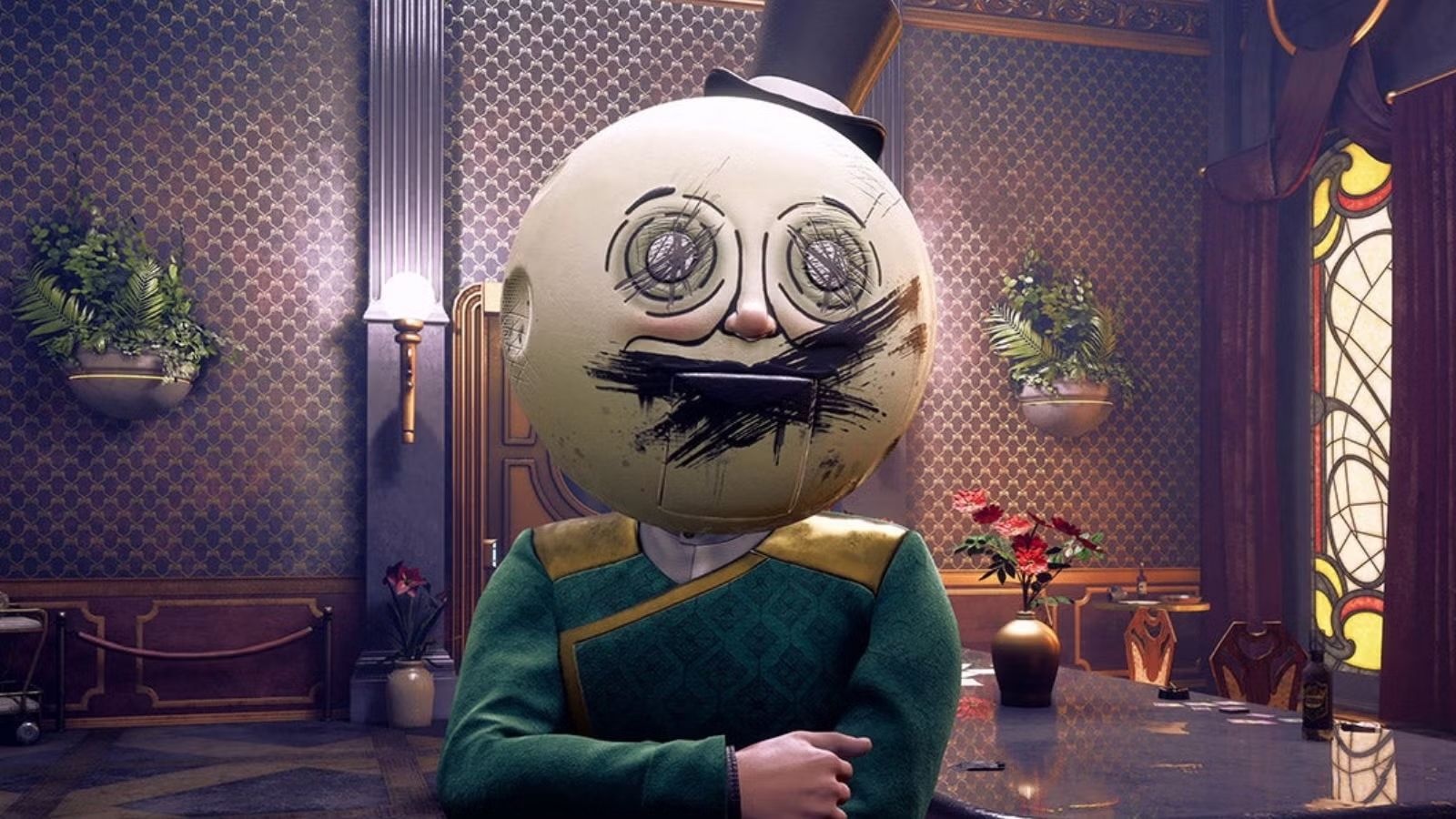
The Outer Worlds 2 arrived six years after Obsidian’s original, and the sequel continues to mix dark corporate satire with moments of serious storytelling.
- Overview
- Themes and satire
- Factions and NPC behavior
- Notable in-game moments and quotes
- Presentation and tone
Overview
The Outer Worlds 2 is a narrative-driven RPG from Obsidian. It follows an Earth Directorate agent sent to the Arcadia colony after a corporate takeover. The sequel continues many mechanics and storytelling approaches from the 2019 release of The Outer Worlds, while adding new faction dynamics and narrative beats.
Themes and satire
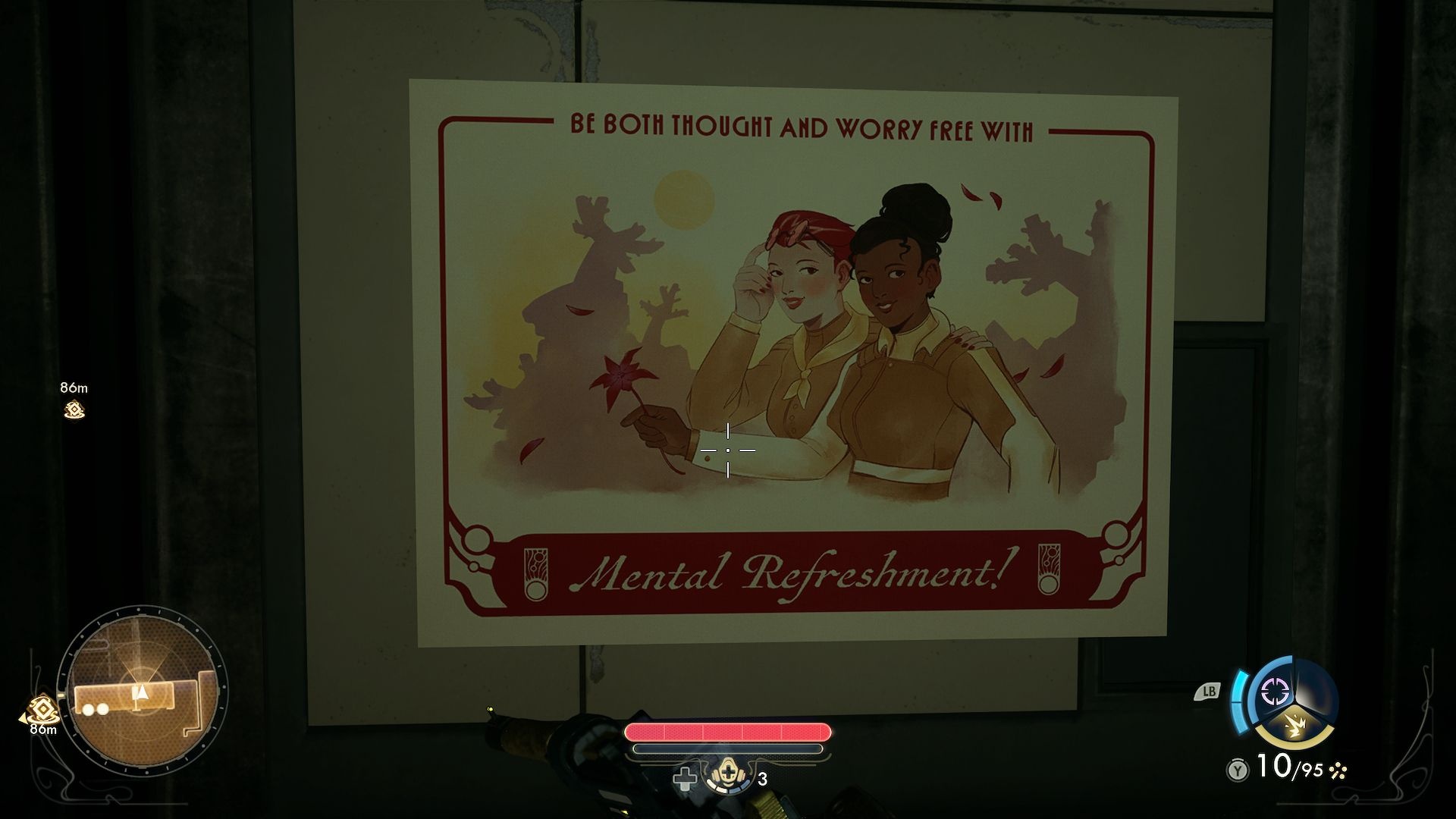
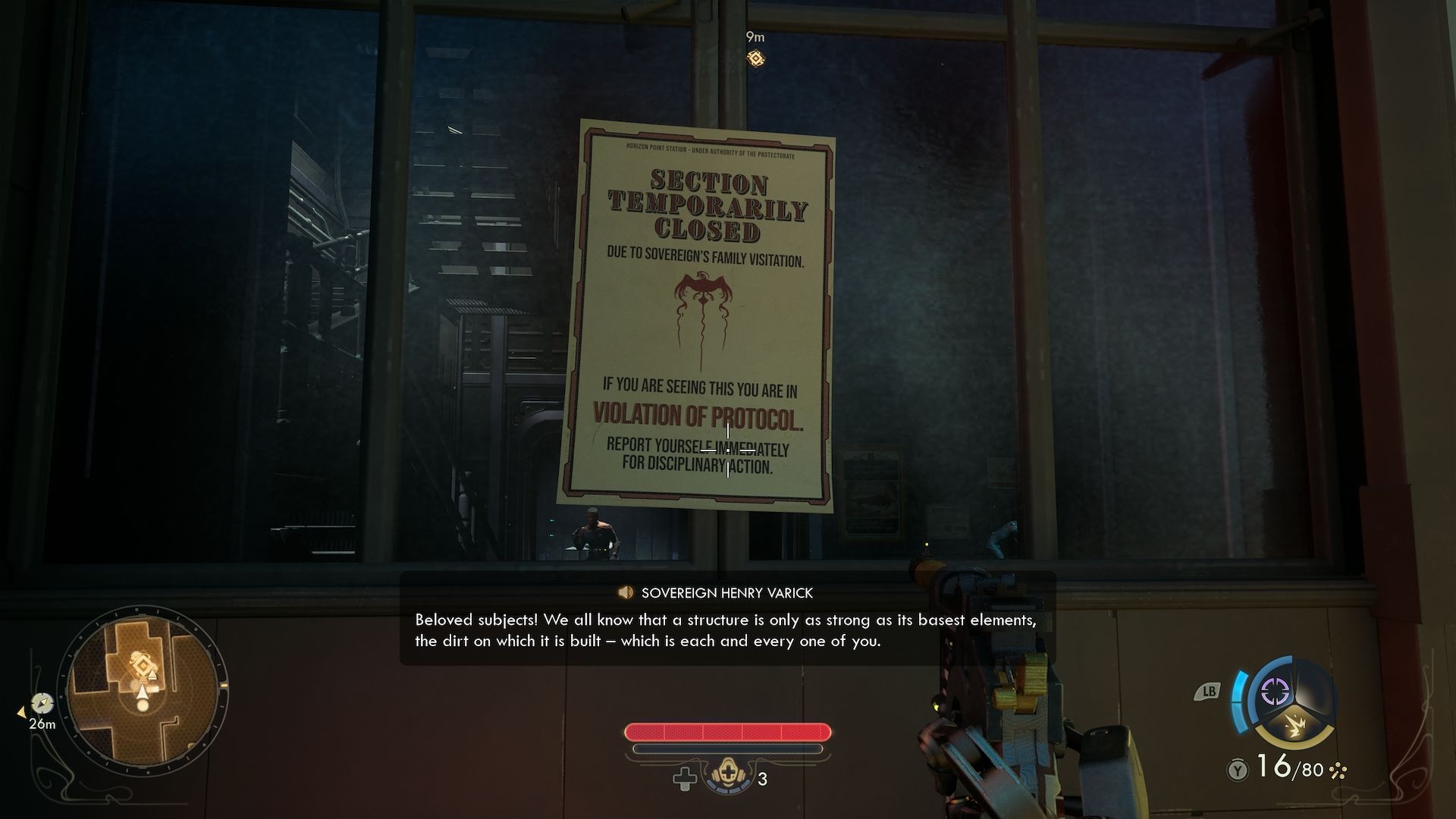
First, the game foregrounds corporate control and propaganda. For example, players encounter workplace posters and a new hire handbook that includes the line “Strangers are just customers YOU haven’t met!” Second, the sequel explores ideological control: several NPCs are depicted as brainwashed or actively embracing faction rhetoric.
Additionally, the game references modern cultural phenomena such as multi-level marketing and social-media-style “grind” rhetoric. Moreover, the story examines how mergers and takeovers change worker conditions, and how different institutions respond to power shifts.
Factions and NPC behavior
Players encounter at least three major groups: corporate interests, a brainwashing religious faction, and the Earth Directorate. NPCs portray a range of responses: some are passive victims of circumstances, while others enthusiastically adopt faction messages. Consequently, choices often present morally ambiguous options rather than clear “good” or “bad” paths.
Also, the game’s radio stations and public broadcasts are faction-operated. One station is corporate-backed and plays ethically permissive jingles, while another is controlled by the religious faction and pushes denunciation and surveillance of dissenters.
Notable in-game moments and quotes
There are specific scripted items that illustrate the game’s themes. For instance, a ship terminal message from the Earth Directorate includes the phrase “three to five business years” when responding to a distress call.
Furthermore, an audio log found near a corpse records a cult-aligned NPC’s final message to a former partner. The log reads exactly: “My darling… I am sorry. But were you here, I would use the last of my strength to slay you. Our feelings… are not even a candle to the incandescent love of the Sovereign.”
Presentation and tone
The Outer Worlds 2 balances satire with darker moments. Dialogue, propaganda artifacts, and environmental storytelling are used to convey corporate and religious messaging. Meanwhile, the game leaves moral interpretation to the player rather than delivering explicit authorial judgments.
For further context on high-control religious movements referenced in the game, see this overview of high-demand religion.
Overall, the sequel preserves Obsidian’s focus on choice-driven narratives, faction interplay, and satirical worldbuilding, while adding new examples of institutional influence and propaganda.