The Strange Trend: Players Complete 99% of RPGs — and Never See the Ending
Some players purposely avoid finishing RPGs they love. Instead, they spend dozens or even hundreds of hours exploring every side quest, then stall before the final encounter so the game never truly ends for them.
- Why some players don’t finish RPGs, with real examples.
- Which games commonly get left unfinished and how players keep them alive.
- Simple reasons behind the behavior, and related playstyles.
Why players stop short of the finale
Many gamers report a mix of feelings that lead them to delay a final chapter. For example, some are *afraid of disappointment* and so they keep enjoying the safe parts of a story rather than risk an ending they might not like. Others value replayability, and therefore treat multiple near-complete playthroughs as the main attraction. Finally, some players are simply emotionally attached and don’t want the experience to end.
Concrete examples from well-known RPGs
Several recent and older RPGs get called out regularly for this pattern. First, the writer cites The Outer Worlds as the game where this habit started: they completed most content but avoided the final encounter, then began another near-complete run. Next, the writer mentions Final Fantasy VII Remake, and notes a similar reluctance; so did this guy in a separate piece.
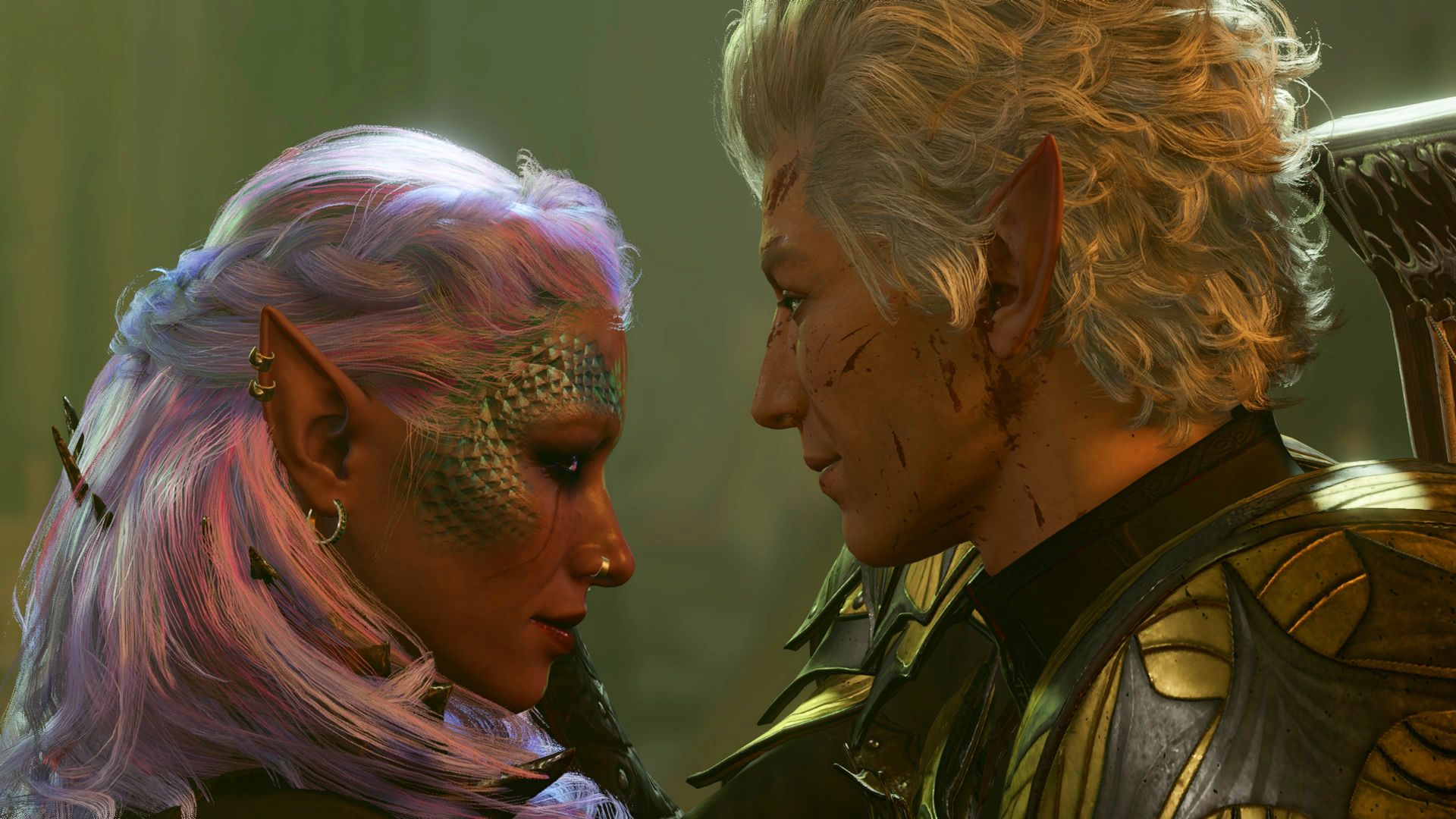
Additionally, the writer avoided finishing parts of Dragon Age: Inquisition after being spoiled on a key romance outcome, and they report having spent more than 1,000 hours in Baldur’s Gate 3. In the case of Baldur’s Gate 3, the game’s many options — such as multiplayer, the Dark Urge mode, Origin characters, and a wide variety of races and classes — help explain why the writer maintains several near-complete runs at once.
Other systems and why they don’t solve the problem
Some game mechanics that seem built for endless play do not always help. For instance, the writer found Skyrim’s Radiant Quests and similar repetitive quest systems too monotonous to be a real solution. Meanwhile, Starfield’s New Game+ concept sounded promising, but the writer says a disappointing story kept them from finishing that game. Also, some players prefer to grind before key events; as an example, some Cyberpunk 2077 players choose to grind up past level 50 before advancing certain early quests.
What this looks like in practice
In practice, this habit means spending long stretches of playtime on exploration, side content, character builds, and alternate choices, then pausing just before the final act. Consequently, the game remains a source of ongoing enjoyment rather than a completed story. The pattern is straightforward: players maximize the time they love a game, and thereby postpone closure.