This MÖRK BORG Goblin Taught Me How to Make D&D’s Low-Level Monsters Actually Terrifying
MÖRK BORG, the indie tabletop role-playing game, has received wide attention for its distinctive layout and writing, and it has been sold out at many retailers. In addition, the game won multiple Gold ENNIE awards in 2020, including Best Layout and Design, Best Writing, and Product of the Year. For more information, the publisher maintains a site at MÖRK BORG’s official page.
- Goblin curse mechanics in MÖRK BORG
- How that contrasts with Dungeons & Dragons
- Practical implications for GMs and players
- Relevant links and references
Overview of MÖRK BORG and its design
MÖRK BORG is an indie tabletop RPG with a heavy-metal, post-apocalyptic aesthetic. The rules are intentionally very rules-light for monsters, and the book emphasizes strong, compact lore entries rather than dense stat blocks. Notably, the game won Gold ENNIE awards in 2020 for Best Layout and Design, Best Writing, and Product of the Year.
Goblin curse mechanics in MÖRK BORG
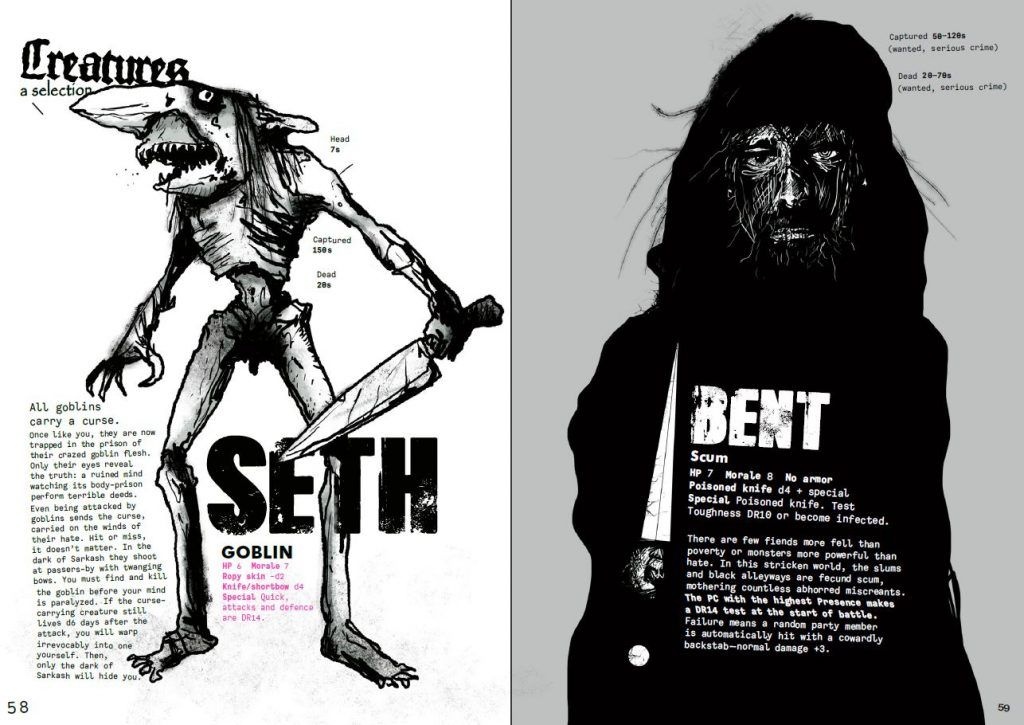
The goblin entry in MÖRK BORG includes a lore-driven mechanical effect: when a party encounters a group of goblins, the goblin curse transfers to the characters automatically. Specifically, characters exposed to a cursed goblin will transform into goblins in D6 days unless the party kills the original monster who carried the curse. No hit, wound, or saving throw is required for the curse to spread; the transfer happens upon the encounter as stated in the entry.
How that contrasts with Dungeons & Dragons
By contrast, Dungeons & Dragons separates lore and mechanical reach through established spells and challenge ratings. For example, the 5th Edition spell Remove Curse is a level 3 spell that, when cast, removes all curses affecting the touched subject without rolls or material costs.
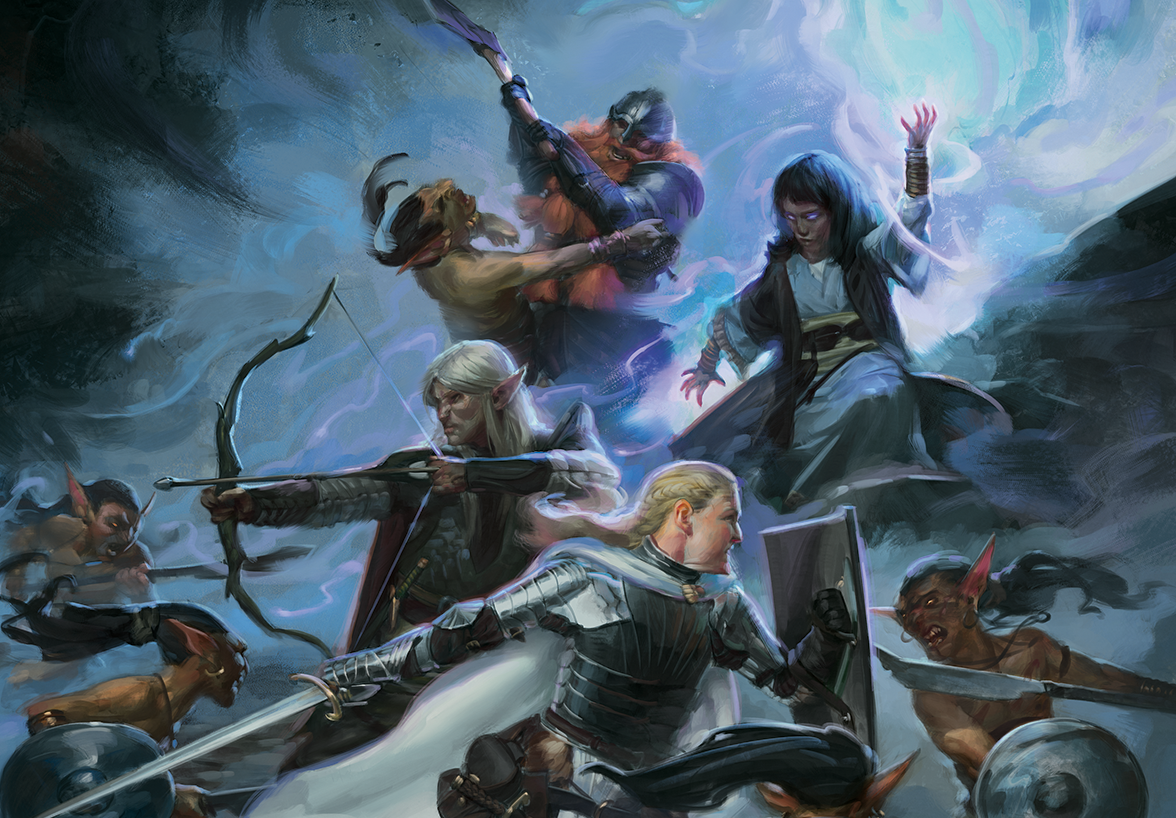
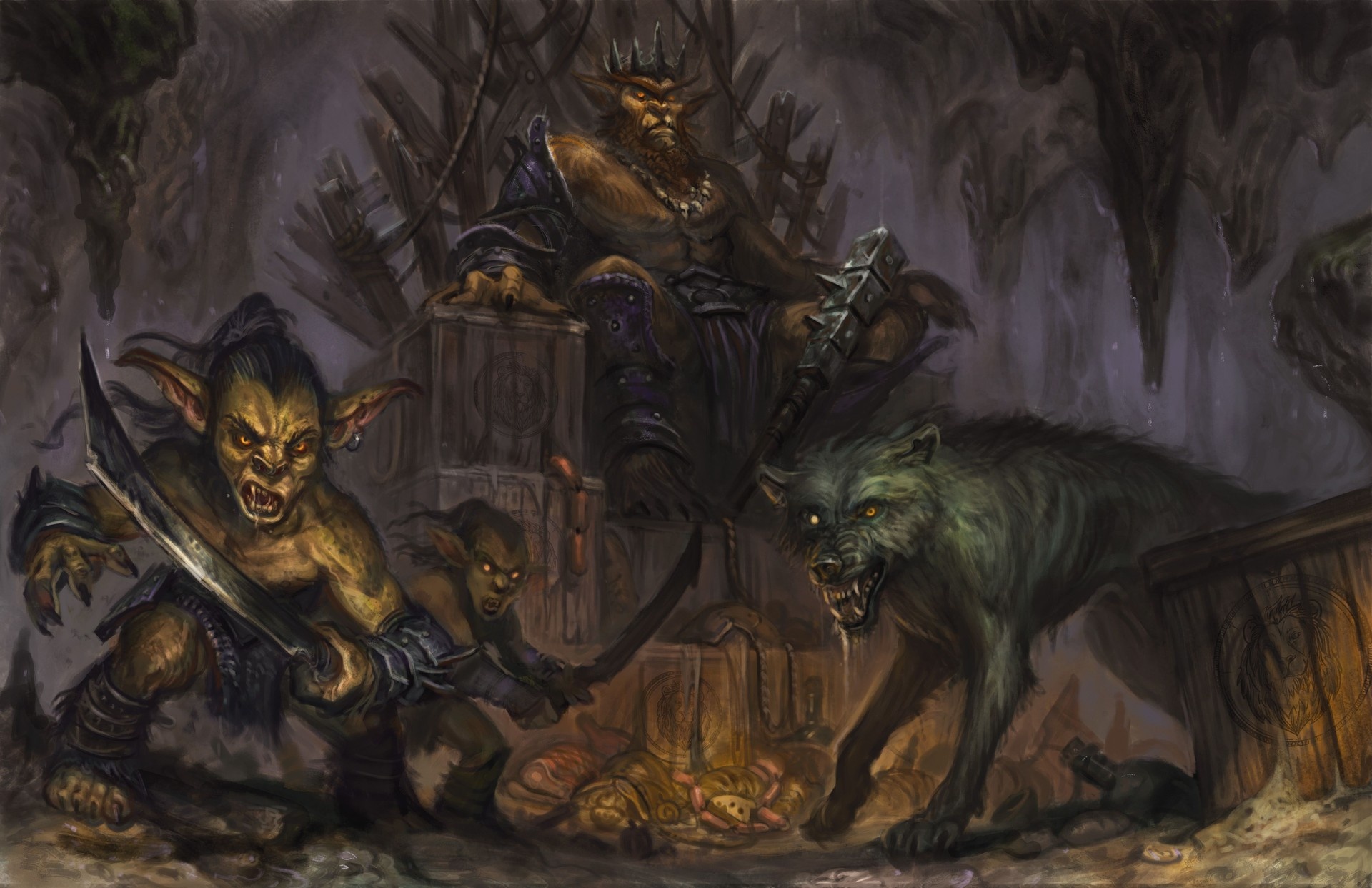
Similarly, many low-level monsters in D&D are assigned low challenge ratings, which limits their mechanical threat level as characters gain levels. For instance, the Grell is listed at challenge rating 3 and relies on tactical placement and surprise to remain dangerous. Additionally, goblins in D&D are commonly treated as low-CR foes; even updated entries that add variants (such as a Goblin Hexer) still place stronger goblin options within a limited CR range.
Practical implications for GMs and players
Because MÖRK BORG ties mechanics to lore, even low-level creatures can present long-term threats without requiring extended mechanical changes. For example, a curse that progresses over days forces parties to respond narratively and mechanically, and the requirement to kill the original carrier makes tracking and investigation part of play. This design approach therefore uses lore-linked mechanics to alter how encounters scale across time.
In D&D, GMs typically rely on tactics, terrain, or adjusted stat blocks to preserve threat from low-CR creatures. Resources that provide tactical guidance for creatures include The Monsters Know What They’re Doing, which documents behaviors and tactics for a variety of monsters.
Relevant links and references
Third-party content that explores MÖRK BORG’s goblin idea includes the adventure Goblin Grinder, by Johan Nohr and Ripley Caldwell.
For context on a pop-culture comparison, the Pokémon Drifloon is described in one Pokédex entry as “tugs on the hands of children to steal them away.” More details can be found in a write-up on this Screen Rant page.