Towa Turns Hades’ Formula Upside-Down with Two-Character Roguelike Combat
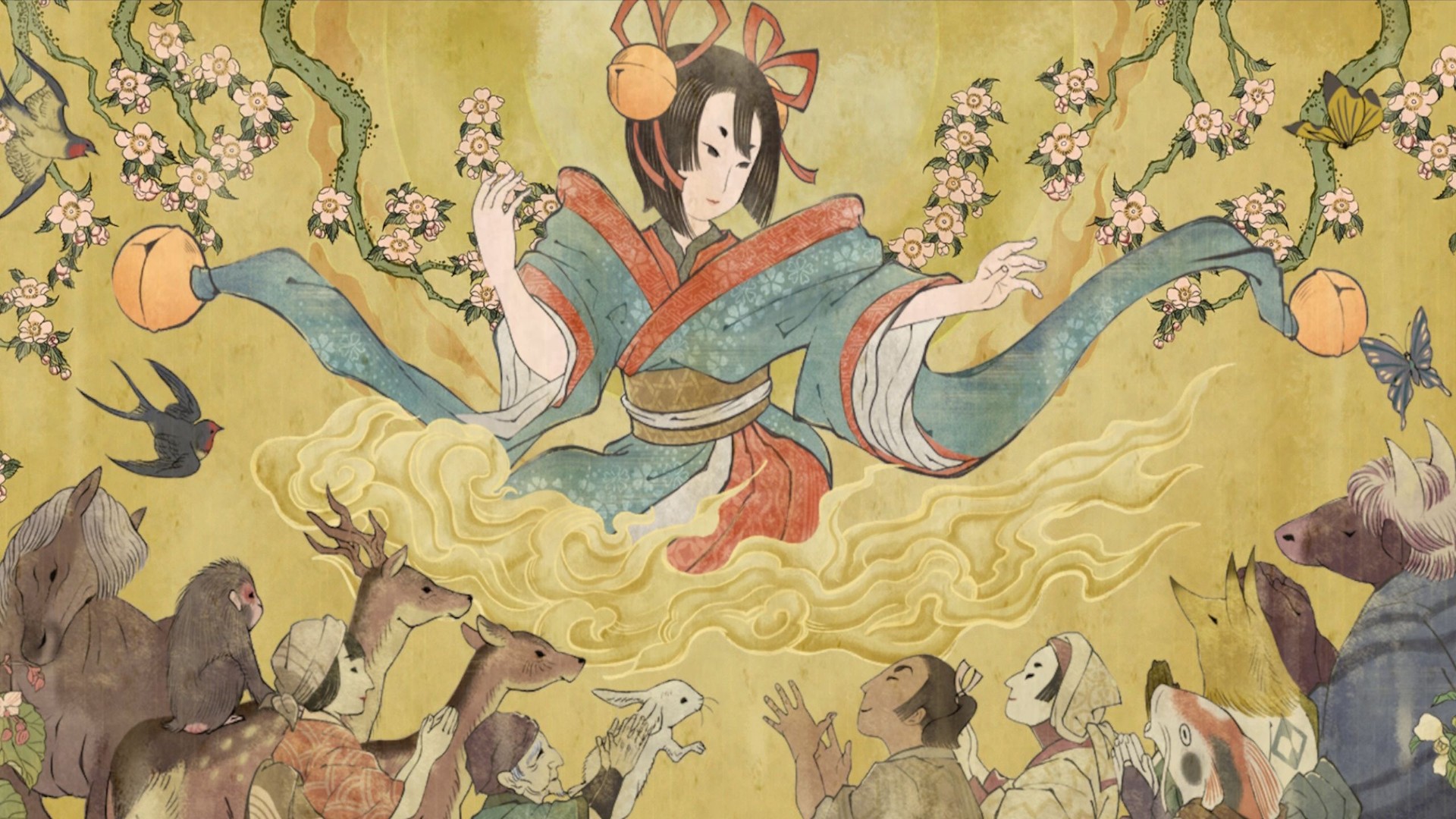
Towa and the Guardians of the Sacred Tree is a roguelike from Brownies Inc., the studio behind Doraemon: Story of Seasons. The game borrows core systems familiar from recent popular roguelikes, but it changes the run structure by having two characters fight together each expedition. A playable demo is available, and the full game is scheduled for release on Sept. 19 for Nintendo Switch, PlayStation 5, Windows PC, and Xbox Series X.
- What the game is, who made it, and when it launches;
- Core systems including dual-character teams, roles, and Graces;
- How the demo represents the full game’s design choices and progression;
- Platform availability and basic base-village features.
Core concept
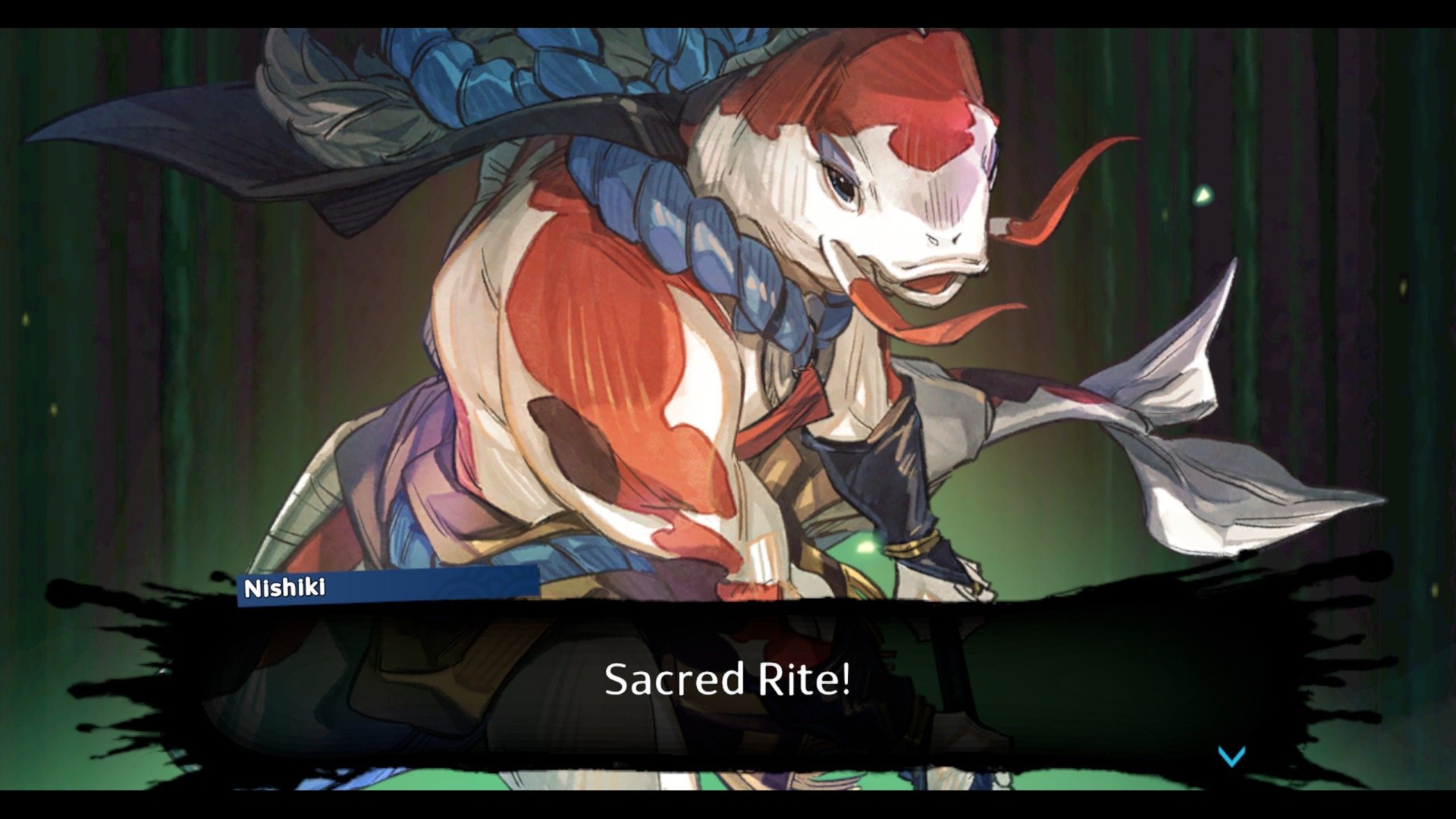
Brownies Inc. frames Towa around a guardian of a village and eight allied villagers called the Prayer Children. At the start of the story the Prayer Children are banished to another dimension and the village becomes trapped in a time bubble. Consequently, each run after that point sends two Prayer Children into battle together. The game uses a room-by-room roguelike structure with enemy encounters, treasures, and upgrade rewards.
Roles and combat
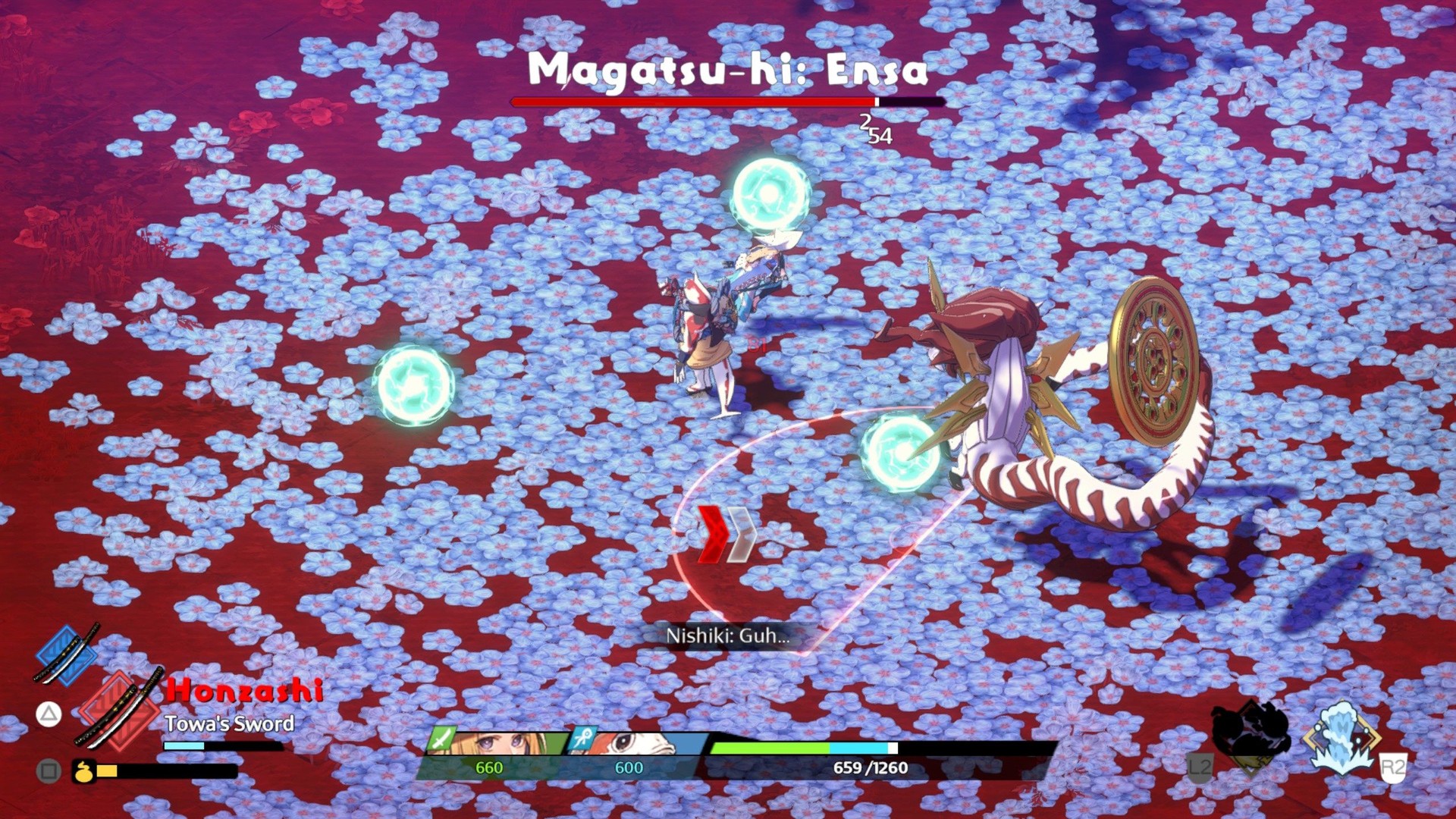
Each Prayer Child can take one of two roles. The frontline fighter role is the Tsurubi, which uses sword attacks. The support role is the Kageru, which uses spells and magical effects. Players can assign any Prayer Child to either role, and each child’s behavior and abilities change depending on their elemental alignment and chosen role. Therefore, team composition affects both playstyle and synergy.
Upgrades and rewards
The game awards different currencies and Graces, which function similarly to boons in other roguelikes. Some Graces provide straightforward stat increases, while others add conditional effects — for example, boosting a Kageru’s power when the Tsurubi takes damage, or adding elemental bonuses to attacks. Health-restoration items can be used to heal a single character fully or split to heal both characters partially, so resource choices influence how teams survive and persist through a run.
Base hub and NPCs
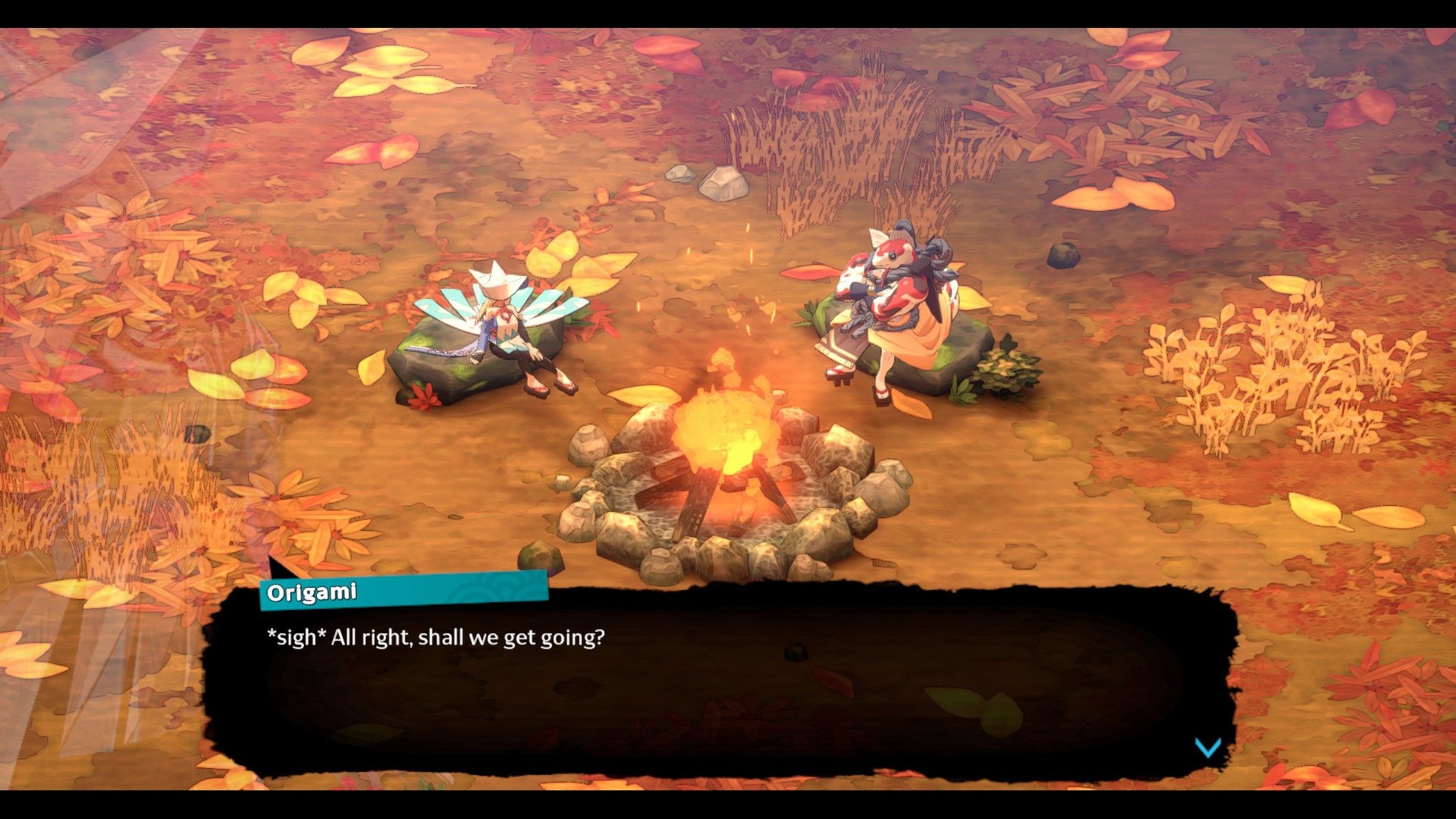
Between runs, a village hub lets players customize upgrades and build relationships with characters. The game includes recurring NPCs such as a mysterious shopkeeper and a roving chef. These elements provide progression and narrative context similar to other roguelikes that use a home base to tie runs together.
Demo and release details
The demo showcases the dual-character mechanics and highlights how team pairings change combat and upgrade decisions. Moreover, the demo ends before the player uses the game’s time-travel mechanics for the first time, leaving that element for later gameplay. The full game is scheduled to release on Sept. 19 for Nintendo Switch, PlayStation 5, Windows PC, and Xbox Series X.