Tron: Ares Delivers Jaw‑Dropping CGI — But Its Story Feels Hollow
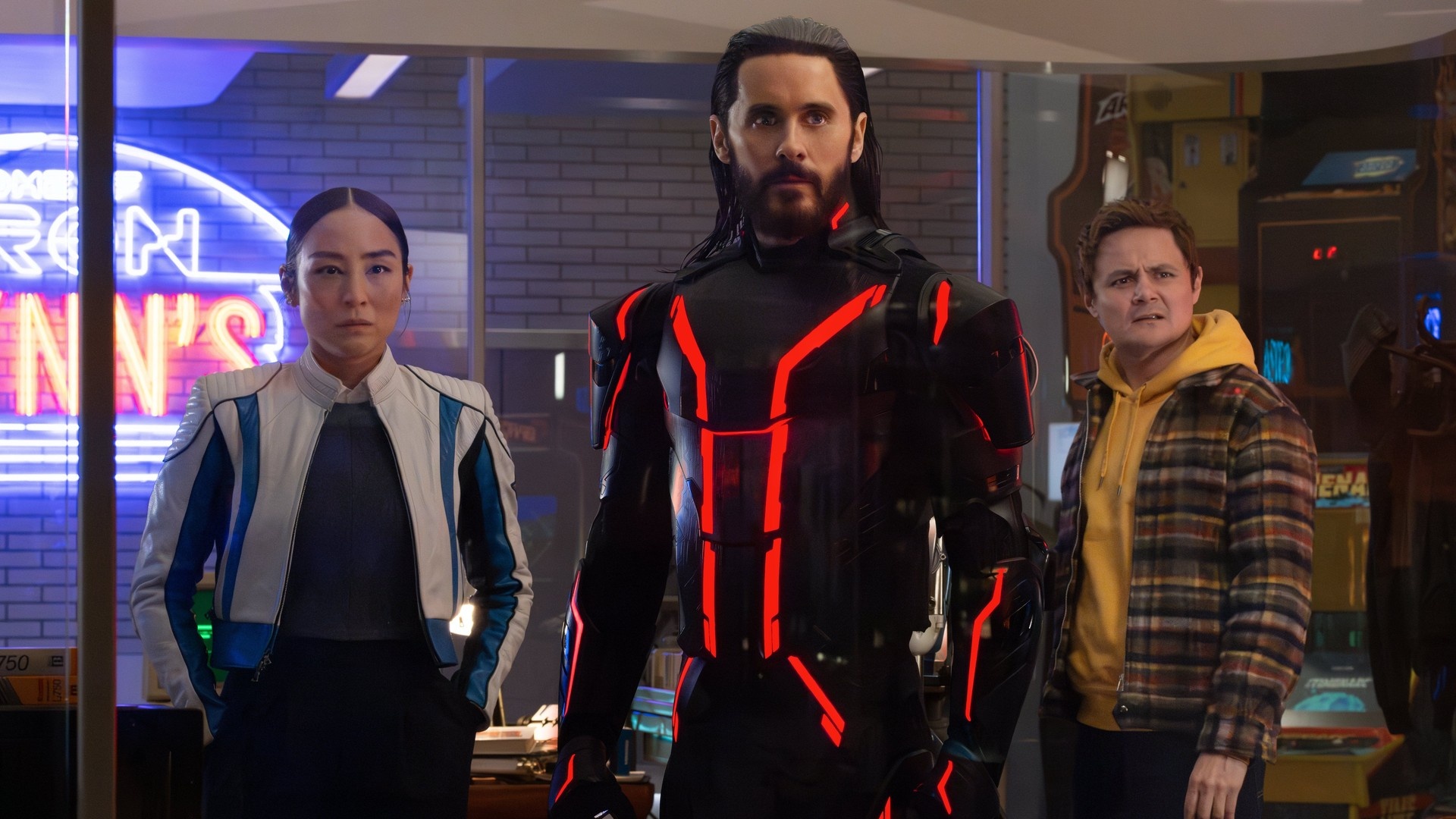
Tron: Ares is the newest entry in the Tron franchise, directed by Joachim Rønning and written by Jesse Wigutow. The film opens in theaters on Oct. 10, 2025, and it continues the series’ focus on the Grid, Encom, and digital constructs that cross into the physical world.
Overview
Tron: Ares is part of the Tron film series that began with Steven Lisberger’s 1982 Tron. Joseph Kosinski directed the 2010 sequel Tron: Legacy. In this installment, Joachim Rønning directs a screenplay by Jesse Wigutow. The film uses a plot device where digital constructs imported from the Grid into the physical world remain stable for 29 minutes before disintegrating.
Cast and crew
The main cast includes Evan Peters as Julian Dillinger, Greta Lee as Eve Kim, Jared Leto as the Master Control Program Ares, Jodie Turner-Smith as Athena, and Gillian Anderson as Elisabeth Dillinger. Jeff Bridges appears in the film in a visual form tied to the franchise’s continuing story about Kevin Flynn. Garrett Hedlund, who played Sam Flynn in Tron: Legacy, does not appear in this movie.
Plot and worldbuilding
In the film, Eve Kim is a programmer and gamer working at Encom. Julian Dillinger is the grandson of the original Tron villain Ed Dillinger. Both characters search for a so-called Permanence Code that was created by Kevin Flynn; this code is intended to let items from the Grid exist stably in the real world. Eve tests the technology using a fruit tree in a scene that demonstrates persistence across the Grid and reality divide.

Julian develops military hardware and names AIs after Greek war gods. He instructs Ares to find out what Eve knows about the Permanence Code. During the story, Ares operates both within the Grid and in the physical world to pursue Eve; at one point the program’s behavior shifts from surveillance toward an apparent attempt to assist her. The film includes dialogue where Ares reads and quotes Mary Shelley’s Frankenstein.
Visuals and sound
The film includes light-cycle sequences and other classic Tron visual elements such as hard-light trails that function as physical barriers in the world of the Grid.
Some production notes: the score for Tron: Ares was written by Nine Inch Nails for the film, and the movie again uses extensive CGI to represent the Grid and its constructs. Jeff Bridges appears in a glowing, ethereal visual form that ties into the franchise’s mythology. There is also a solar-sailer sequence that connects the Grid to the physical world and a number of action set pieces where digital constructs expire after their 29-minute window.
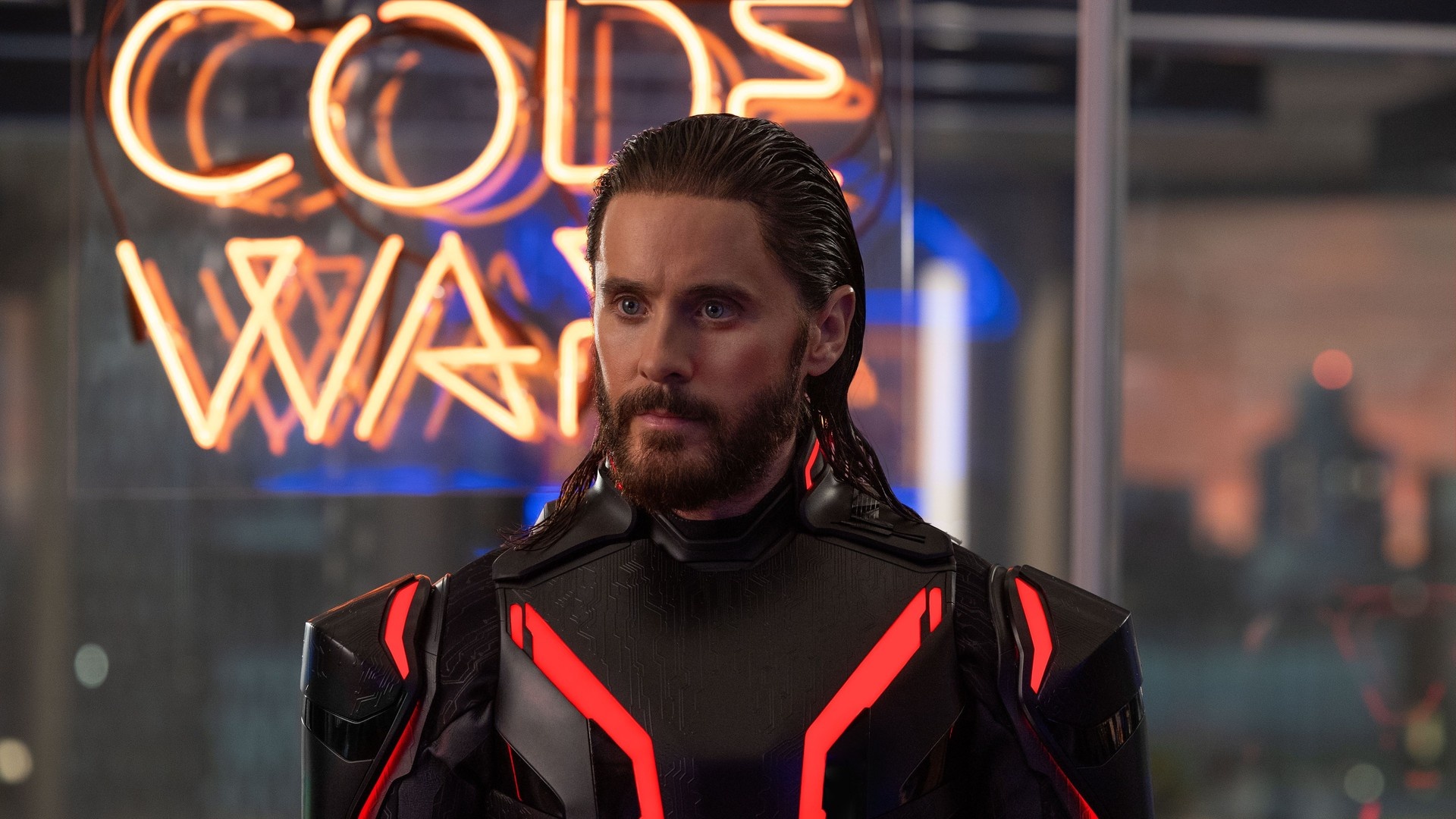
For technical details about the light-cycle mechanics, see the Jetwall entry on the Tron fandom site, which describes how hard-light trails function in franchise lore.
Themes and comparisons
Tron: Ares revisits franchise themes such as artificial intelligence, corporate power, and the boundary between virtual worlds and reality. The movie continues a throughline from the 1982 original and the 2010 sequel by focusing on Encom and the legacy of Kevin Flynn. Additionally, the film places a tech-industry figure at the center of corporate and military interest in AI-driven systems.
In broader cinematic context, films about rogue or self-aware AIs and the risks of large tech companies have appeared across mainstream cinema. For example, critics and commentators have discussed similar ideas in other films; see a discussion of AI and parenting themes in Avengers: Age of Ultron on The A.V. Club, and note that films such as Ex Machina also examine self-actualizing AIs from different angles.
Release info
Tron: Ares opens in theaters on Oct. 10, 2025. The director is Joachim Rønning and the screenplay credit goes to Jesse Wigutow. The film’s casting and production details are publicly available through studio releases and press coverage.
Finally, it is a documented fact that actor Jared Leto has been accused of sexual impropriety; reporting on those accusations is available in outlets such as The Guardian, which has published coverage of the allegations.