Ubisoft Allegedly Scrapped a Post–Civil War Assassin’s Creed Where a Formerly Enslaved Man Takes on the KKK
Ubisoft reportedly canceled an Assassin’s Creed game set after the U.S. Civil War. Sources say the project would have followed a formerly enslaved Black man during Reconstruction, and that concerns about political backlash contributed to the decision.
What was the game
According to a report by Game File’s Stephen Totilo, Ubisoft had been developing an Assassin’s Creed title set in the post–Civil War Reconstruction era. The project reportedly focused on a protagonist who had been enslaved, was trying to start a new life, and became involved with the Assassin Brotherhood.
Furthermore, sources told Game File that the story included confrontations with the Ku Klux Klan and that the development team wanted to show how racial tensions could be used to control populations. The report describes developer enthusiasm for the concept but also notes concerns inside the company about public reaction.
Why it was canceled
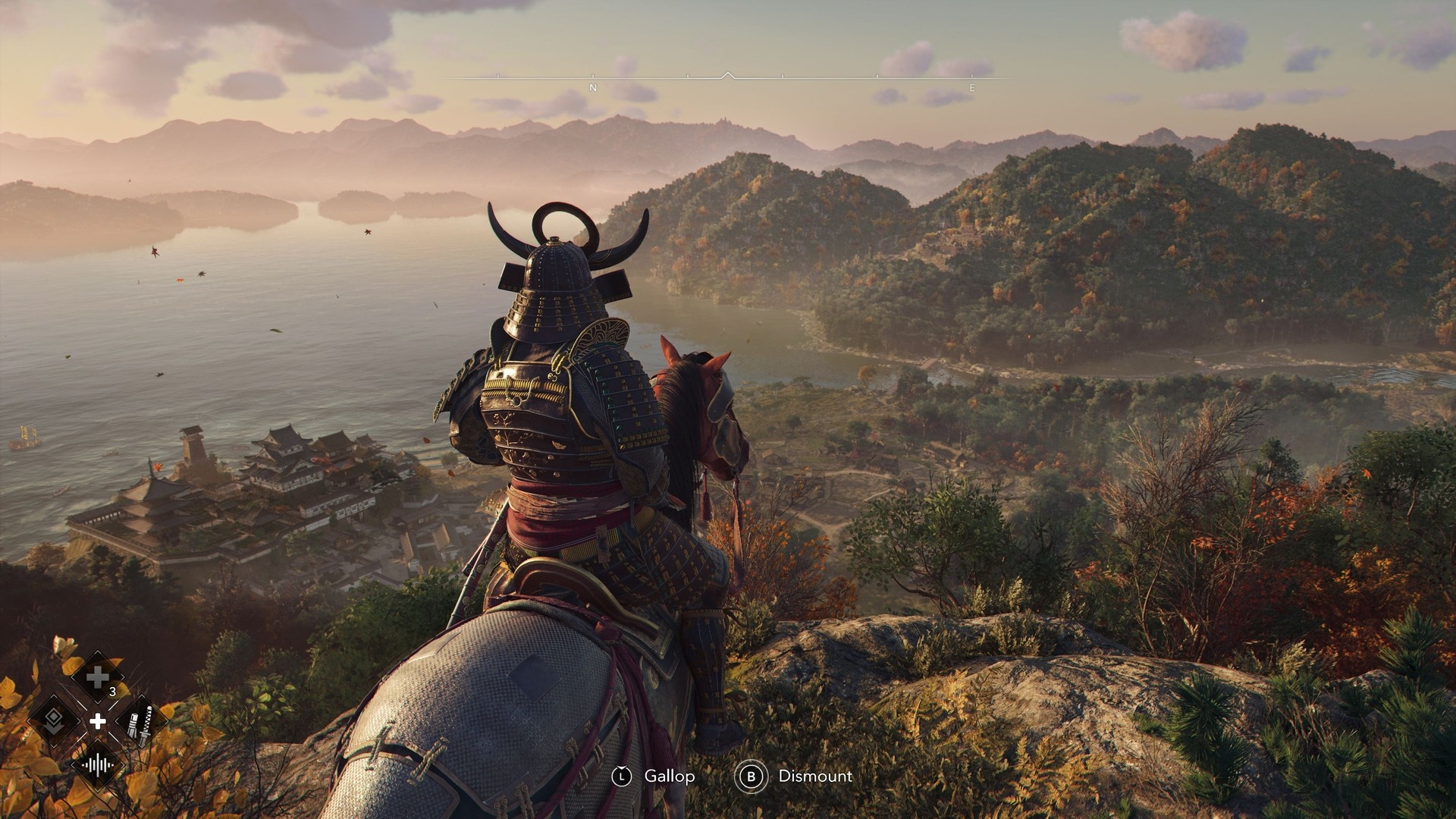
Multiple people who spoke to Game File said Ubisoft became worried about backlash in light of recent reactions to another Assassin’s Creed title, Assassin’s Creed Shadows, which drew debate over its Black samurai protagonist. As a result, Ubisoft reportedly decided not to move forward with the post–Civil War project.
In addition, sources mentioned the wider political climate in the U.S. as a factor. Reporting cited concerns about contemporary political tensions, including disputes between federal and state authorities and heightened public attention to racial issues. For example, recent coverage has linked federal-state conflicts to current political alignments in the U.S., and local protests have drawn national notice.
Specific media coverage referenced in reporting includes a BBC story about tensions between federal and state governments (BBC) and a CBS item on local protests related to immigration enforcement (CBS).
Context and precedent within Assassin’s Creed
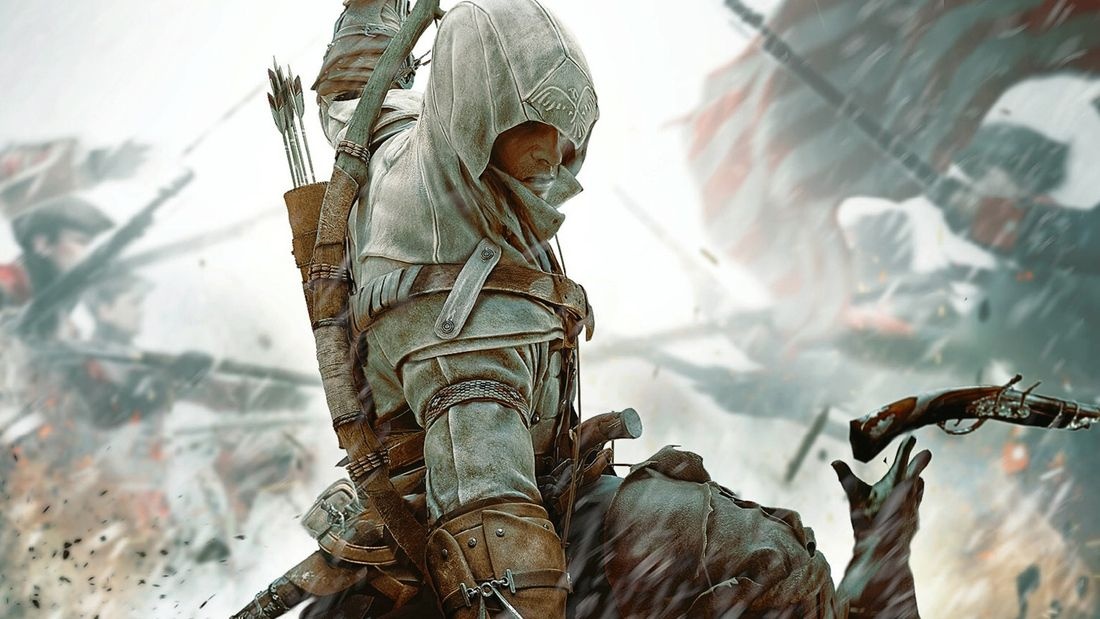
Assassin’s Creed has previously been set in U.S. history. For example, Assassin’s Creed III takes place during the American Revolution and the series has included other entries touching on American or colonial-era stories.
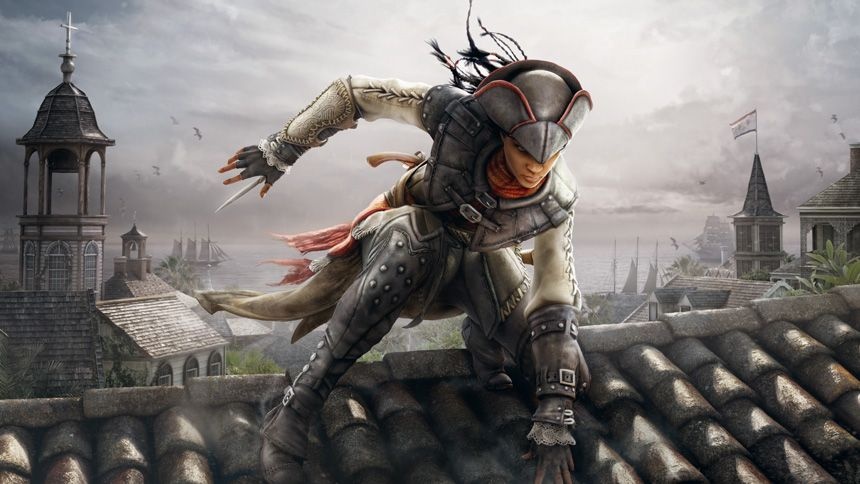
Ubisoft also released Assassin’s Creed Liberation, which is set in New Orleans and features a Black female protagonist who is involved in missions related to slavery and escape. Reported sources contrasted those past entries with the proposed post–Civil War project, saying the new game would have engaged directly with Reconstruction-era violence and the Klan.
Company stance and wider pressures
Reporting noted that Ubisoft has publicly stated it does not make political games, and that the company weighs public reaction when planning large projects. Sources also cited broader pressures on cultural institutions and media in recent years, including debates over historical interpretation and funding for museums.
Coverage referenced a White House executive order described as addressing historical interpretation (Restoring truth and sanity to American history) and reporting on reviews of national parks and museums (MSNBC), as well as a PBS piece on executive action affecting the Smithsonian (PBS).
Reporters and analysts have also linked recent public debates about media and violence to increased scrutiny of entertainment, citing coverage of calls for examinations of violent games after real-world shootings (Newsweek), and commentary about global political trends (Harvard Kennedy School).
Sources and links
The central report about the canceled project comes from Game File. The reporting cites multiple anonymous sources inside and near Ubisoft.
Other articles and reports mentioned in coverage include discussions of federal-state tensions (BBC), immigration-related protests (CBS), and actions or commentary from the U.S. government about history and cultural institutions (White House).
Finally, reporting noted that a Reddit discussion of the Game File story was closed by moderators within a day; that Reddit thread is available here: the Reddit thread.