Valve update sends Counter-Strike skins market into freefall — nearly $2 billion wiped out overnight
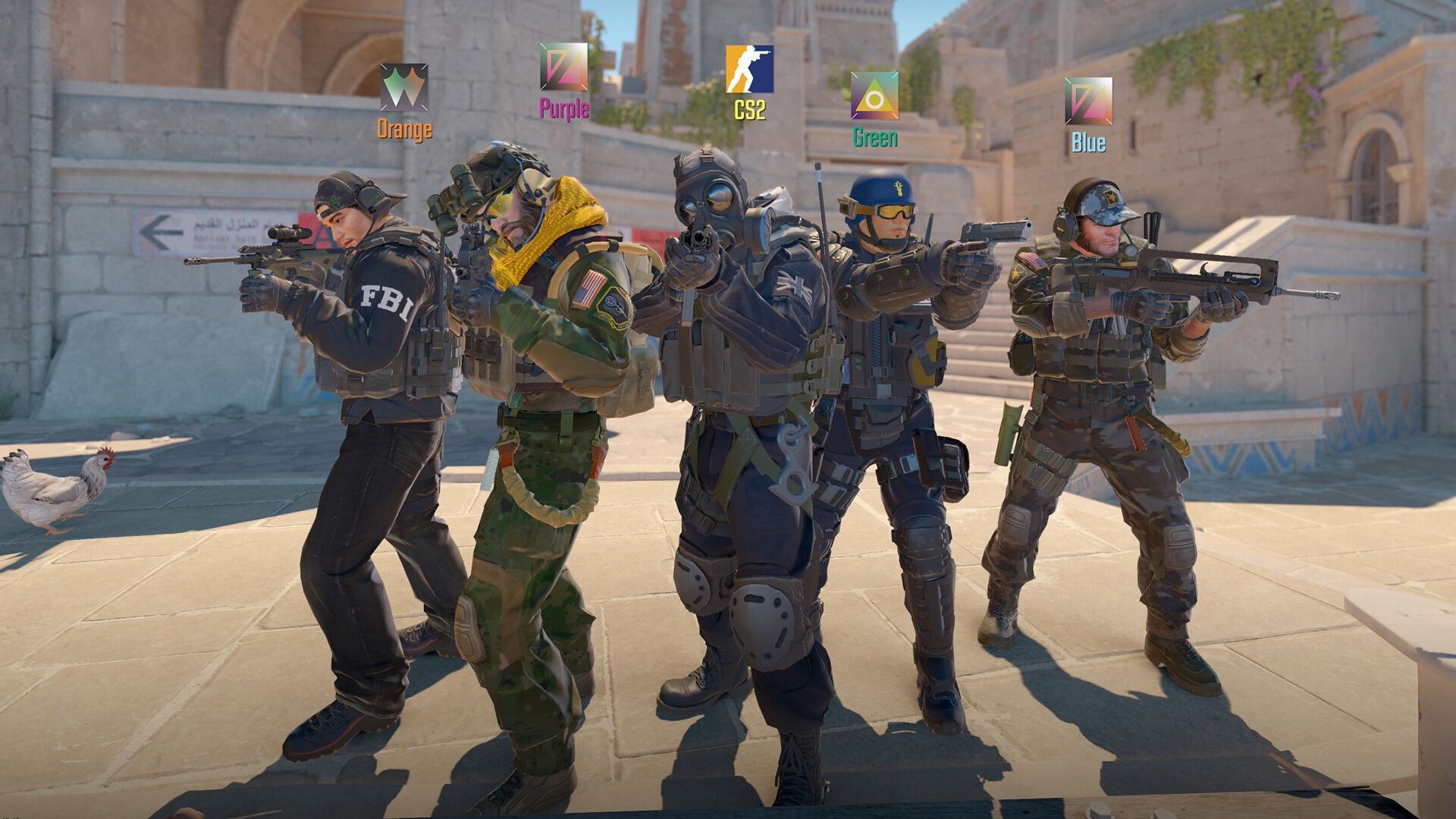
Counter-Strike’s in-game cosmetics market plunged overnight after a Valve update changed which items can be created via trade-ups, and tracking sites reported a roughly 25% collapse in market value.
- What happened
- Market impact and numbers
- How trade-ups changed item supply
- Examples and busy marketplaces
- What to watch next
What happened
On Oct. 22, Valve updated Counter-Strike to allow a higher-tier item — *Covert (Red)* — to be included in trade-up contracts that can yield Knives and Gloves. As a result, previously extremely rare items became more obtainable, and sellers began offloading stock.
Valve’s announcement about the change is available on their site: Valve’s Oct. 22 update to Counter-Strike.
Market impact and numbers
Price trackers and news outlets reported a sharp drop in the market for CS:GO cosmetics immediately after the update. Bloomberg reported the market fell about *25%* overnight. Meanwhile, Pricempire — which tracks item values — posted that roughly $1.84 billion in market value disappeared, and other summaries cited about $1.75 billion lost.
Specifically, Bloomberg’s coverage is available here: Bloomberg reported the drop.
The CS2 market has lost $1.84 billion now since the ATH pic.twitter.com/pM3ilmvaFt
— Pricempire.com (@pricempire) October 23, 2025
Our server just crashed, we are aware of the problem, it will be back up and running within minutes.
— Pricempire.com (@pricempire) October 23, 2025
How trade-ups changed item supply
Before the update, Knives and Gloves could not be obtained through trade-up contracts. Therefore, Knives and Gloves were much rarer and commanded very high prices on third-party sites and the Steam Community Market.
After the change, Covert (Red) items can be used in trade-ups that may produce Knives and Gloves. Consequently, supply of those top-tier items increases, and basic market economics pushed prices down as more sellers tried to recover value.
Pricempire summed up the effect: “This completely changes the supply of Counter-Strike’s most sought-after and expensive tier of items,” Pricempire marketing manager Ethan MacDonald told Bloomberg.
Market details
To be precise, Counter-Strike is free-to-play and earns revenue from cosmetic items that arrive in Cases opened with Keys bought for real money. Items are also traded or sold on the Steam Community Market and on third-party marketplaces.
Because Cases contain random drops, rarer items historically held greater value. In addition, trade-up contracts allowed lower-tier items to be exchanged for higher-tier ones — until this update expanded which tiers can yield Knives and Gloves.
Examples and busy marketplaces
One concrete example: a Doppler Ruby Butterfly Knife that had been listed at roughly $20,000 on third-party storefronts such as CSFloat is now selling for about $12,000, with multiple sales reported in a short period. The CSFloat listing for that item is here: Doppler Ruby Butterfly Knife on CSFloat.
Sites that track and sell items saw heavy traffic. For instance, Skin Port experienced such high load that it put visitors into a waiting room: Skin Port.
What to watch next
Moving forward, observers are watching whether prices stabilize or continue to fall. Some lower-tier items may rise, since Reds can now be traded up into Knives and Gloves, but that shift so far does not offset the losses at the top of the market.
Tracking services and marketplaces may continue to display rapid changes. For real-time updates, see the tracking posts by Pricempire (linked above) and reporting from outlets like Bloomberg.