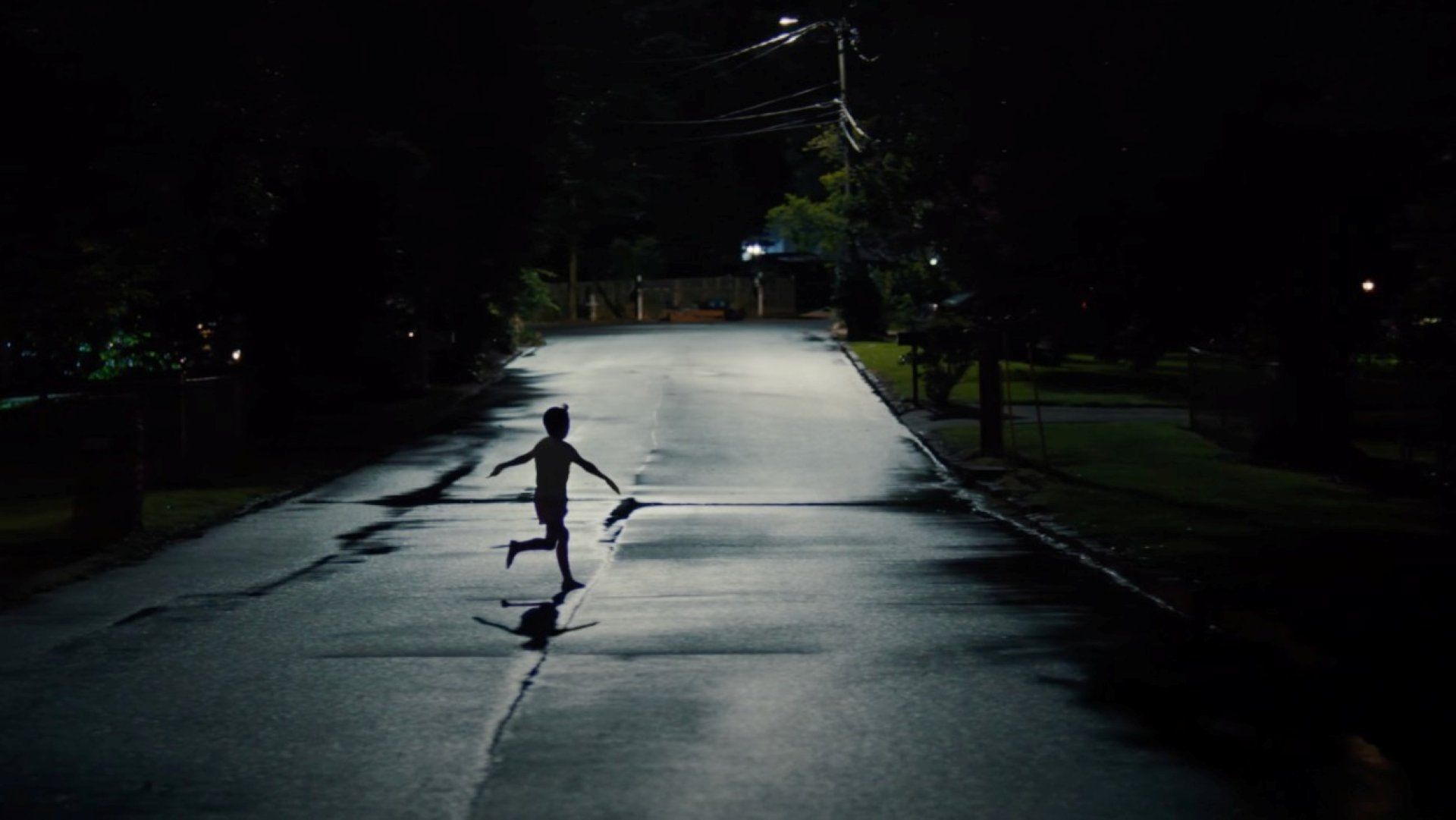
Weapons Divides Viewers: Is Zach Cregger’s Floating Gun a Deep Metaphor—or Just Shock Value?
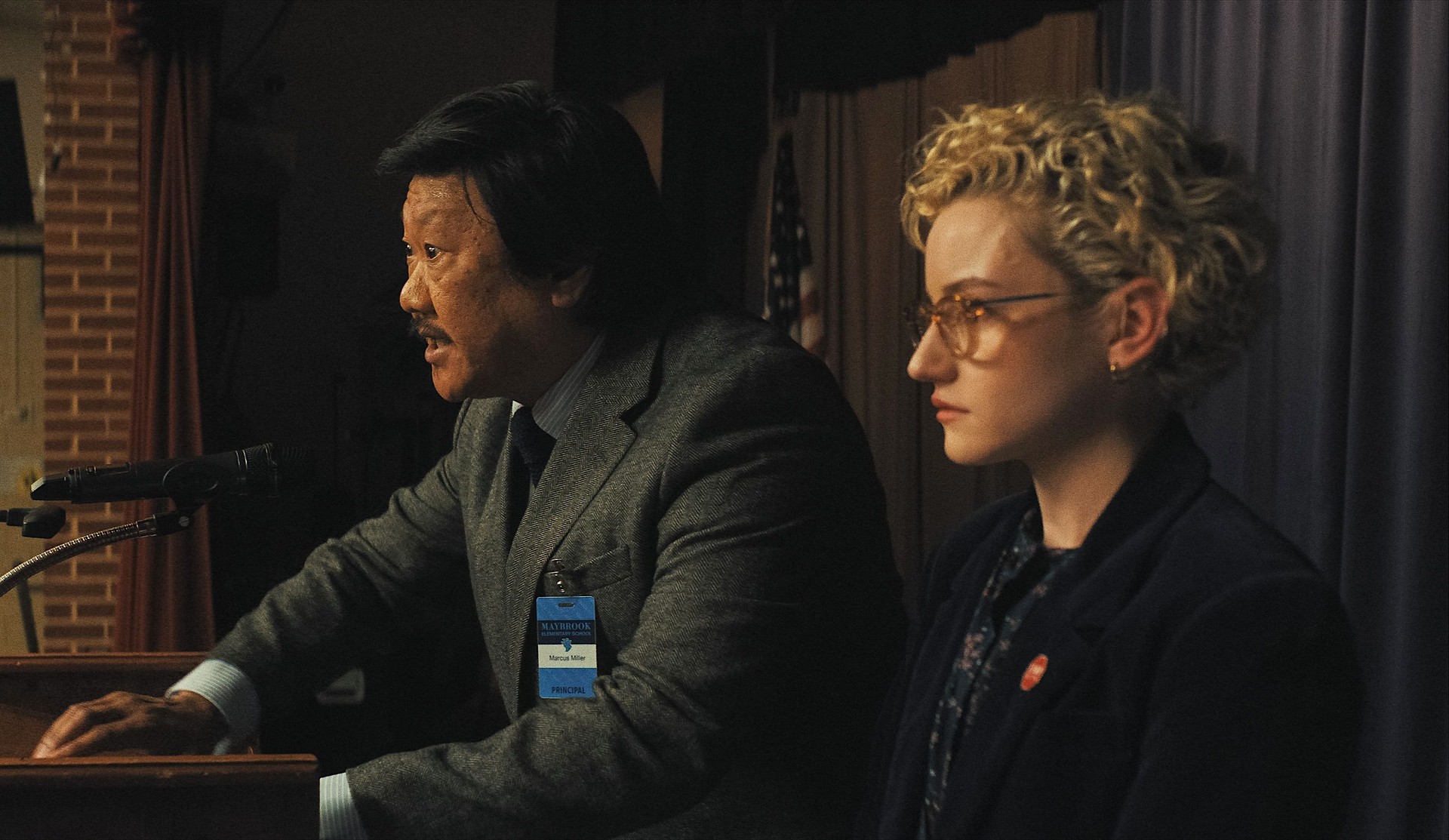
Zach Cregger’s new horror movie Weapons centers on a mystery: 17 third-graders suddenly run out of their homes at 2:17 a.m. and vanish. The film follows multiple points of view — including teacher Justine (Julia Garner), a missing child’s father Archer (Josh Brolin), local cop Paul (Alden Ehrenreich), and Alex (Cary Christopher), the one child who did not disappear — as the community reacts, grieves, and searches for answers. Cregger has linked parts of the story to his family history and personal grief, and he has said, “I don’t care if any of this stuff comes through. The alcoholic metaphor is not important to me. I hope people have fun, honestly. It’s not really my business what people make of the movie.” Hollywood Reporter
- What the film’s premise and characters are.
- How critics and viewers are reading school-shooting imagery and other metaphors.
- Where the debate leaves the film’s ambiguity and its announced follow-ups.
Opening statements: the film and its themes
The film’s inciting image — 17 children leaving their homes at once — drives the plot and the community reaction. In addition, Weapons includes recurring dreamlike imagery, such as a floating assault rifle and the number “2:17,” plus memorial visuals like stuffed animals and candles outside the school. Moreover, Cregger has described the script as drawing on his family’s history of alcoholism and grief over a friend’s death. At the same time, audiences and critics have pointed to broader readings of the film, including connections to school shootings and other social traumas. Hollywood Reporter

Presentation of evidence
How the film maps to school-shooting imagery
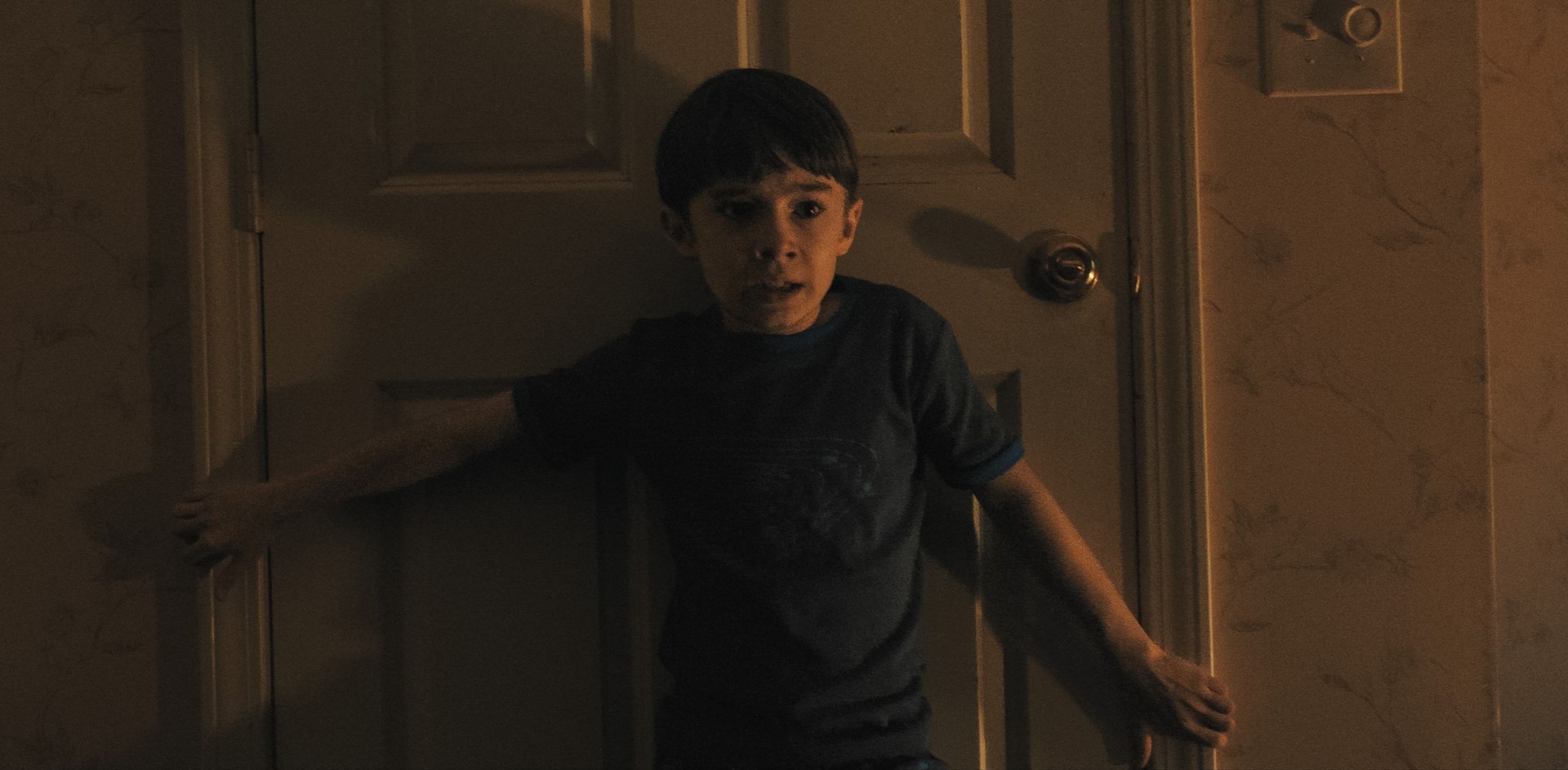
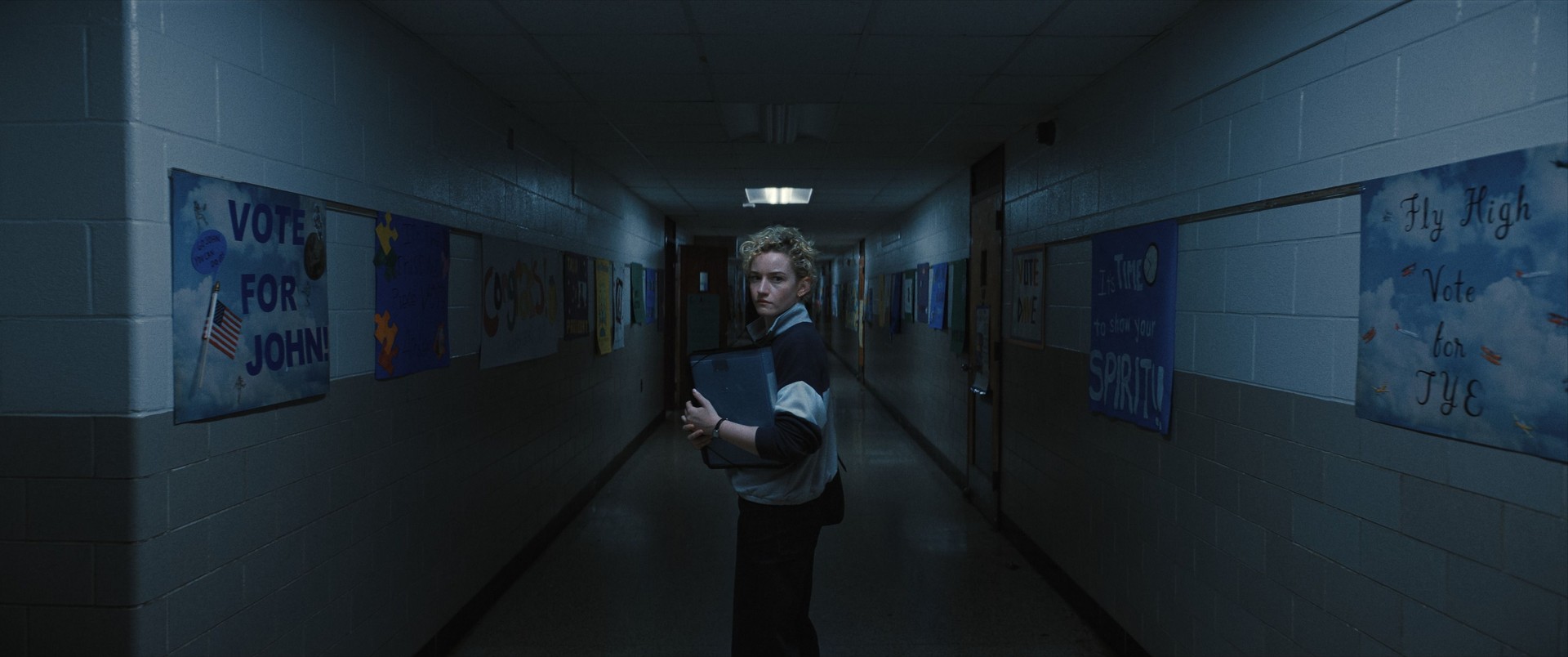
Factually, the film shows community responses that match familiar post-shooting scenes: shock, memorials, searches for blame, and a school trying to continue after a loss. The story also presents characters whose reactions differ: Justine appears self-destructive and grief-stricken; Archer looks for someone to punish; Paul is portrayed as a cop struggling with sobriety; and Alex is shown with a private burden tied to his home life. These elements are onscreen facts that viewers have tied to broader conversations about violence and trauma.
Arguments about metaphor and ambiguity
Critics and viewers have reached different conclusions based on the film’s imagery and the director’s statements. For example, one interpretation treats the floating gun and the “2:17” motif as literalized metaphors for school shootings and related political debates. That interpretation has led some viewers to research the “2:17” image; one factual tie noted in coverage points to H.R. 1808, a 2022 House bill that passed the House but failed in the Senate. Congress.gov
At the same time, other viewers and some critics emphasize the film’s personal elements — such as Cregger’s account of his upbringing — and treat the school-shooting cues as emotional shorthand rather than a direct political statement.
Some online analysts and channels have published breakdowns that unpack imagery and symbolism connected to the film.
Additionally, the film uses the recurring idea of a “parasite” in classroom material and a documentary watched by a principal; the parasite metaphor ties to Alex’s role as a child who has taken on caregiving responsibilities in a fractured household. Those elements are present in the film’s dialogue and montage sequences.
Other referenced sources and cultural touchpoints that appear in coverage include news reporting about U.S. divisions over gun policy, commentary on audience reactions to scenes, and historic frameworks for grief. For example, one news piece about U.S. debates over guns has been cited in discussion of the film’s themes. Sky News
Some viewers have pointed to the film’s tonal shifts — between horror, dark comedy, and drama — as part of the discussion. In certain screenings, audiences laughed during the film’s climax, and several critics have noted that the ending mixes violence with moments that viewers perceived as absurd or darkly comic. Media coverage of similar films has raised questions about sequels and extended explanations; for instance, coverage around another horror film that is getting a sequel has been invoked in these conversations. YouTube reference
Meanwhile, fans and analysts on social platforms have posted detailed takes and clips; a sample of those reactions has circulated on social video platforms and short-form services. One such short-form post about the film’s symbolism has been shared publicly on TikTok. Below is the exact TikTok URL where that clip appears.
@polygon We asked Josh Brolin about what the floating gun in Zach Cregger’s WEAPONS meant to him. #movie #weaponsmovie #horror
For viewers looking for deeper explanations, some third-party channels have also produced extended breakdowns of Weapons’ imagery and narrative choices.
Closing arguments and reported follow-ups
In reporting, questions remain factual and documented: the film leaves several plot points ambiguous onscreen, and Cregger has stated that he does not require viewers to accept any single interpretation. Separately, industry reporting has noted plans for additional material related to the film’s characters, including a reported prequel focused on the character Aunt Gladys. Hollywood Reporter
Finally, coverage and conversations around Weapons continue to point to two verifiable facts: the movie intentionally mixes personal memory with genre beats, and audiences and critics are publicly debating what the film’s imagery means. For context on grief frameworks that some commentators have used to read character behavior, one widely cited primer on grief stages is available from a health source. Harvard Health