Why After 160 Hours in Nightreign, Elden Ring Just Doesn’t Cut It Anymore
After investing over 160 hours into Nightreign, it’s clear this multiplayer spin-off from FromSoftware has reshaped what I expect from games like Elden Ring. While Elden Ring remains a masterpiece of open-world design, Nightreign offers a fresh, adrenaline-fueled experience that makes going back to the original feel almost impossible.
- What Nightreign brings to the table compared to Elden Ring
- Gameplay mechanics and social dynamics in Nightreign
- Why Nightreign changes the multiplayer formula for FromSoftware fans
- Personal reflections on the evolving appeal of Nightreign
A New Take on the Elden Ring Formula
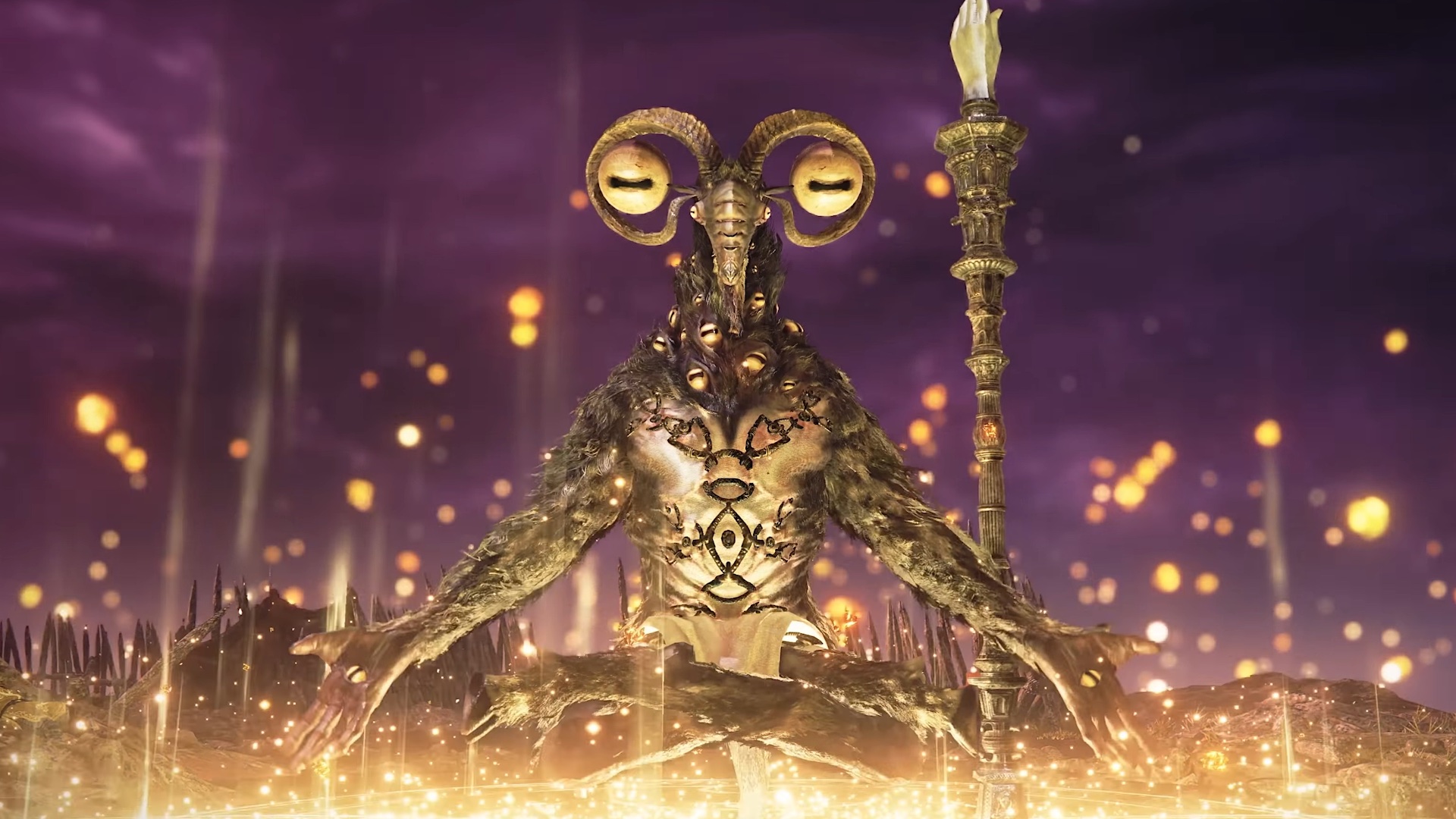
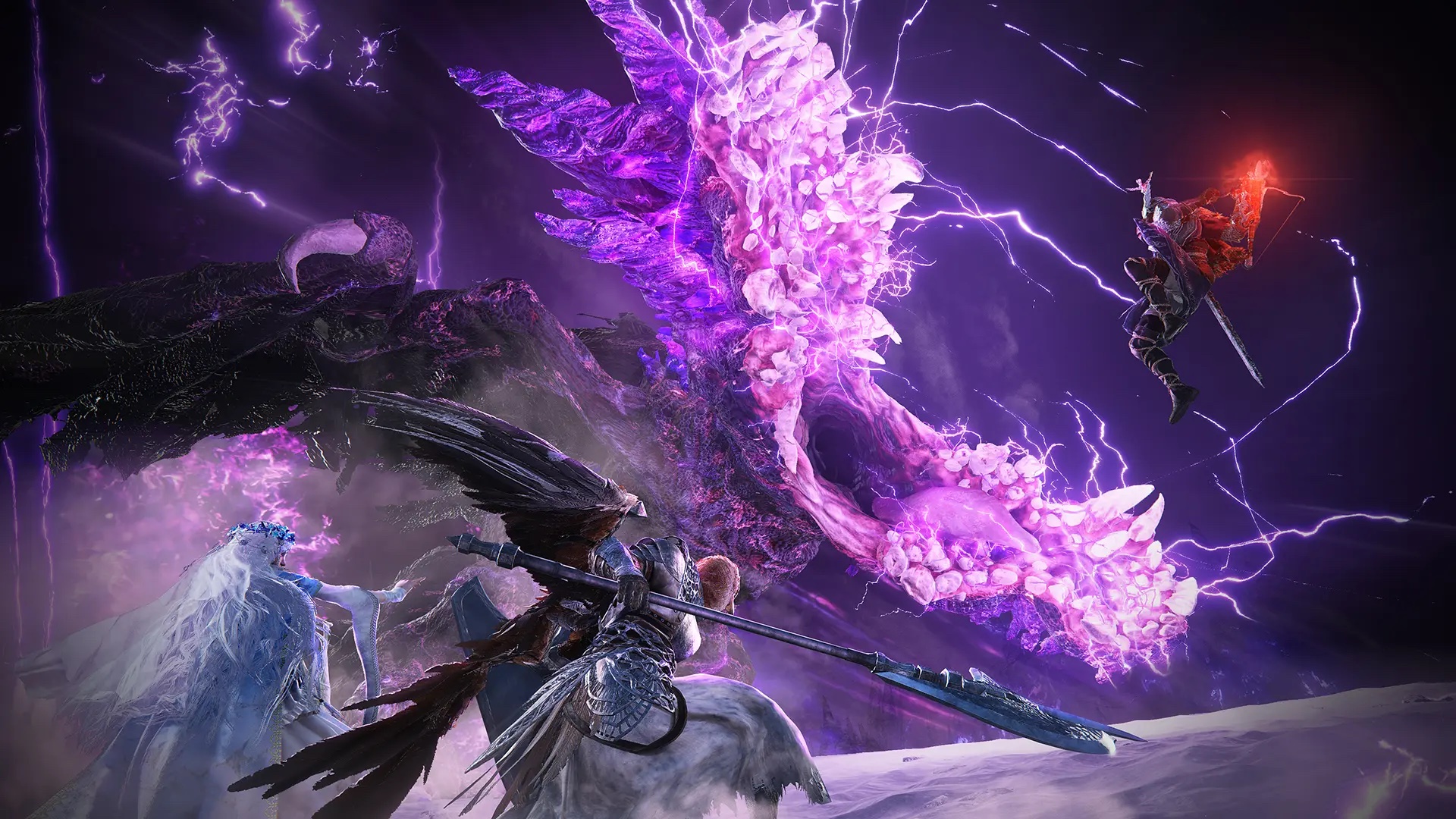
Nightreign, developed by Junya Ishizaki—the combat lead on Elden Ring—throws tradition out the window. Instead of the slow, methodical exploration Elden Ring is known for, Nightreign blends fast-paced action with randomized loot and boss battles on a single large map. Imagine Elden Ring meets Fortnite and Monster Hunter. You start fresh at level 1 with basic gear, and the goal is to team up in threes to take down tough Nightlord bosses. But the world is unpredictable: storms close in, locust swarms steal levels, and gods might bribe you to buy back health. This constant pressure forces quick decisions and keeps the tension sky-high.
Multiplayer Like You’ve Never Seen FromSoftware Do
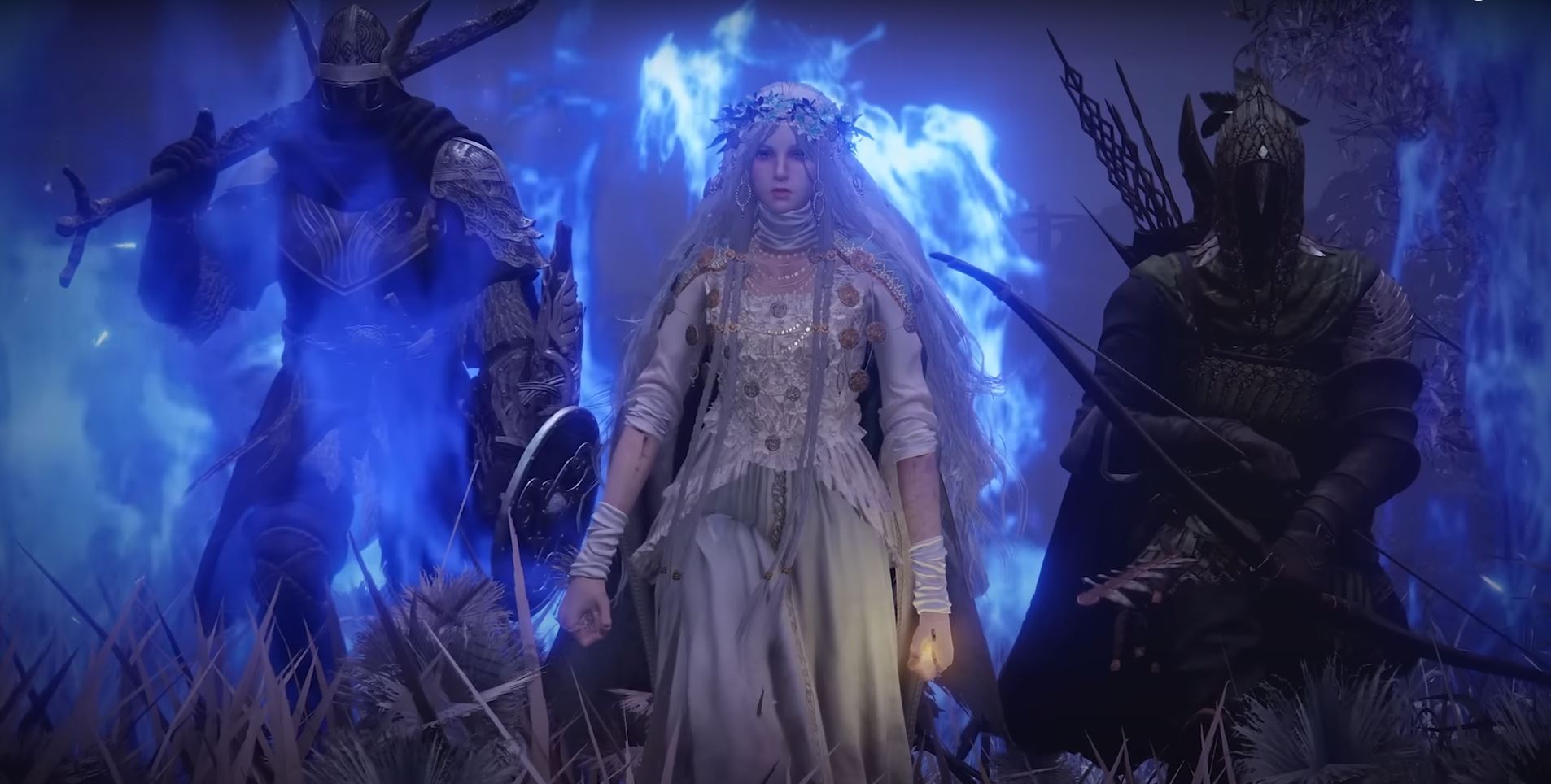
FromSoftware is famous for its lore-heavy, single-player experiences with co-op tacked on through complex mechanics. Nightreign flips this by putting multiplayer front and center—though it comes with some quirks. Communication is limited to emotes, small audible phrases, map markers, and gear signals. This minimalism makes teamwork challenging, especially when playing with random players. Matches can end early due to rage quits, and coordinating builds or strategies isn’t easy without voice chat. Still, this also makes successful runs feel incredibly rewarding.
Fast-Paced Combat and Movement
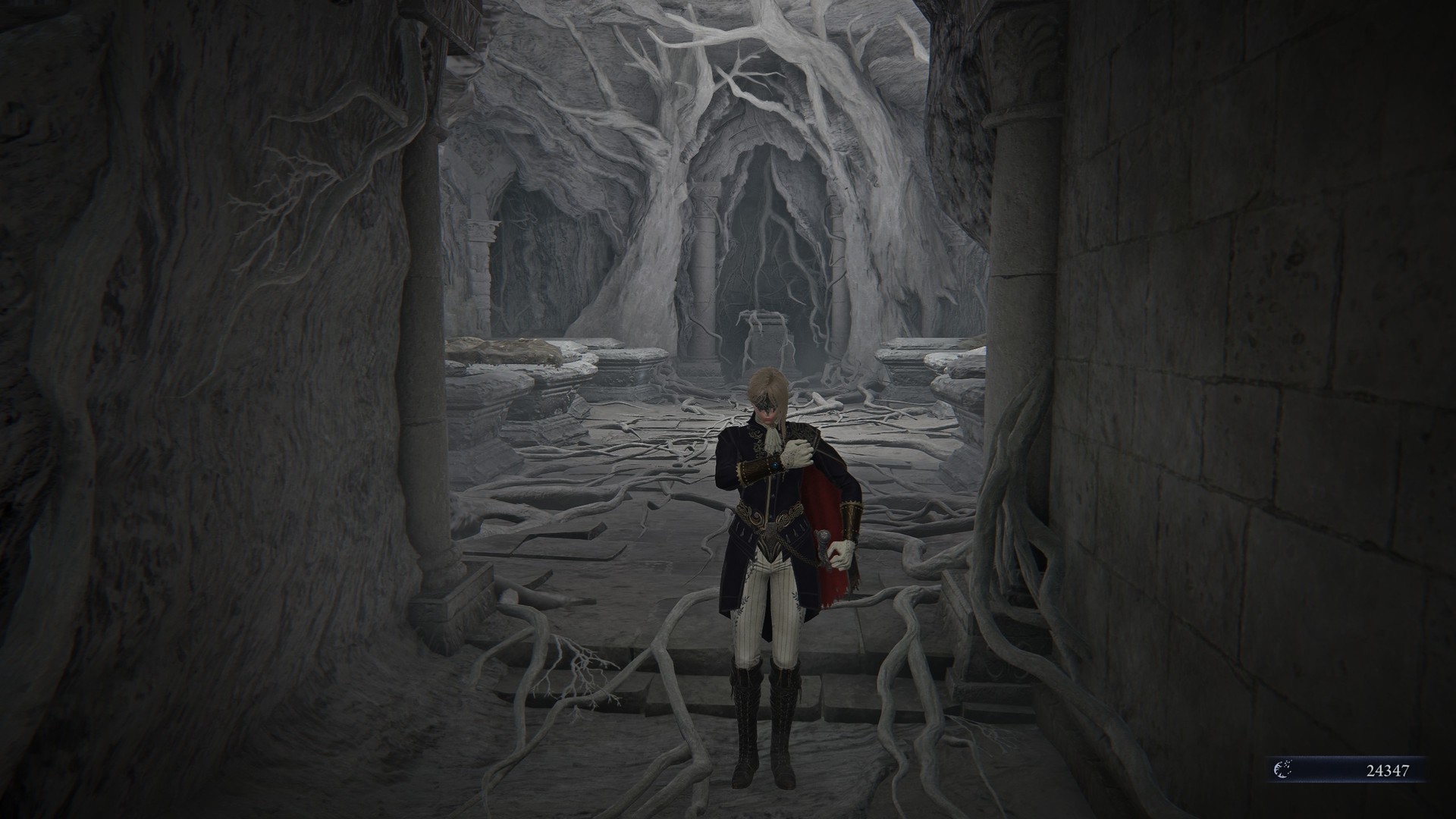
The gameplay itself is brisk. Players can run faster, climb steep hills easily, and fall damage is non-existent—even from huge heights. Combat is sharper and more agile, especially with classes like Duchess. Compared to Elden Ring’s deliberate pace, Nightreign feels like a sprint. This shift might shock fans at first, but it injects fresh energy into the Soulsborne formula.
The Emotional Rollercoaster of Nightreign
Playing Nightreign isn’t just about mechanics—it’s about the moments with your squad. From the thrill of barely reviving a teammate with no flasks left to the frustration of teammates running off in the wrong direction, the social dynamics are raw and unpredictable. The lack of easy communication means every successful boss kill or clutch revive feels like a major victory. These highs are balanced by occasional annoyances like gear disputes or teammates pinging confusing map points.
The Everlasting Appeal and Secrets
Even after nearly 200 hours, Nightreign continues to surprise. New events, “Everdark” Nightlord bosses, and hidden routes keep the gameplay fresh. Unlike Elden Ring, where the world feels fully explored after many hours, Nightreign’s randomized and evolving nature means there’s always something new to discover. This keeps players coming back for more, constantly refining their strategies and approaches.
At its core, Nightreign challenges the player with scarcity and unpredictability. It forces tough choices: what to pursue and what to sacrifice. This design makes the game feel alive in a way that’s different but equally captivating compared to Elden Ring.
Ultimately, after so many hours with both games, I can confidently say: “I can never go back to Elden Ring.” Nightreign’s unique blend of fast multiplayer action, tension, and emergent moments creates an experience that’s both frustrating and exhilarating in equal measure. It’s a bold new chapter for FromSoftware fans looking for something fresh.