Why D&D 3.5e’s Complex Character Creation Made Me Appreciate 5e Even More
Recently, I had the chance to dive into Neverwinter Nights 2: Enhanced Edition, a faithful update of Obsidian Entertainment’s 2006 classic CRPG that sticks closely to the Dungeons & Dragons 3.5e ruleset. While the updated version by Aspyr didn’t blow me away, one thing really stood out: the complexity of character building in 3.5e. And honestly, it’s a lot to handle.
- Exploring the intricate character creation of D&D 3.5e through Neverwinter Nights 2
- Comparing 3.5e’s detailed prestige classes with 5e’s simpler subclasses
- Why 5e’s streamlined approach won me back to Dungeons & Dragons
- The challenges of skill ranks and min-maxing in 3.5e versus 5e
The Complexity of D&D 3.5e Character Building
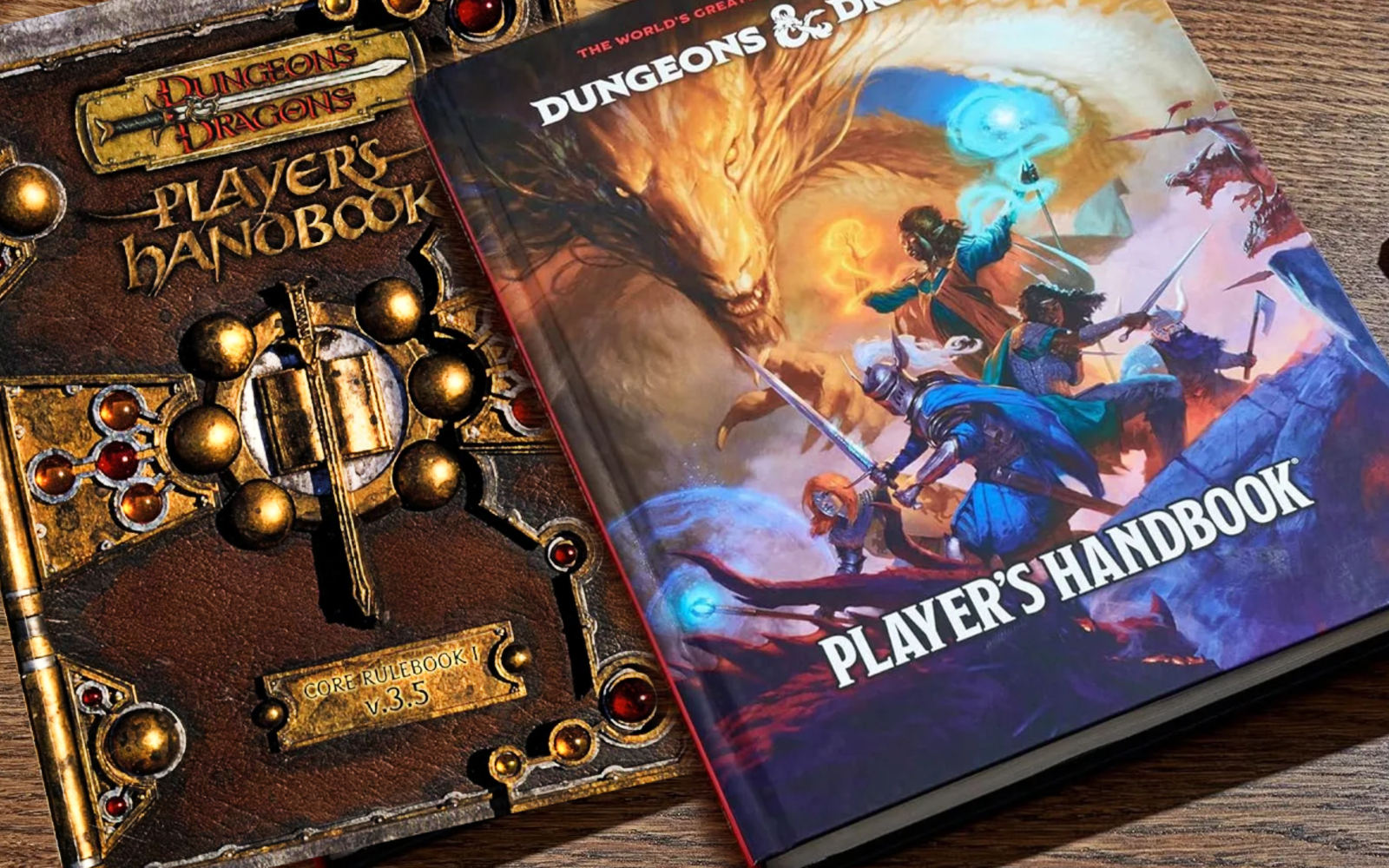
Dungeons & Dragons 3.5e was known for its massive customization options, which is a big reason why many players still cherish it. But while making builds for Neverwinter Nights 2: Enhanced Edition, I was reminded just how overwhelming the system could be. There were tons of classes, and the number of prestige classes — which you can check out on this Fandom page — reaches nearly 1,000 when counting all supplements.
Prestige Classes vs. 5e Subclasses
Unlike 5e’s subclasses, which are chosen early and are part of your class progression, prestige classes in 3.5e were special and usually unavailable before level 7. They came with strict prerequisites like a minimum Base Attack Bonus (BAB), specific skill ranks, feats, and sometimes spellcasting levels. For example, to become an Arcane Trickster, you had to meet numerous requirements, including being non-lawful, having high ranks in skills like Decipher Script and Disable Device, and casting certain spells. Changing your mind halfway wasn’t an option.
Why 5e’s Simplicity Works
In D&D 5e, character building is much more straightforward. You pick your class levels and sometimes feats — that’s basically it. The system does away with BAB and skill ranks, replacing them with a Proficiency Bonus tied to your level and ability scores. This change alone makes character creation and progression feel smoother and less like solving a puzzle.
As a DM, I’ve found 5e easier to manage too. When a player isn’t happy with their character, tweaks and respecs are simple. In 3.5e, the best fix often felt like starting from scratch. Plus, min-maxing still exists in 5e but it’s less of a headache compared to the wild optimization and unpredictability of 3.5e builds.
Skill Ranks: A Big Difference
3.5e assigned skill points at each level to distribute manually, which meant spending a lot of time on parts of the character sheet players rarely used. This led to what UX designers call a complexity overload anti-pattern. In contrast, 5e’s proficiency system simplifies this, making gameplay more accessible and less time-consuming.
All this complexity in 3.5e could be a barrier for new players, cause imbalances at the table, and make DMs’ lives harder. On the other hand, the beauty of Dungeons & Dragons is its flexibility — some love the deep customization of 3.5e, others prefer the streamlined approach of 5e.
For me, while 5e isn’t perfect, its simplicity in character building was exactly what I needed to fall back in love with the game after feeling worn out by 3.5e’s jigsaw puzzle of rules. I’m just not a fan of overcomplicated systems.