Why Everyone’s Talking About Donkey Kong’s Epic Butt in the New Switch 2 Game
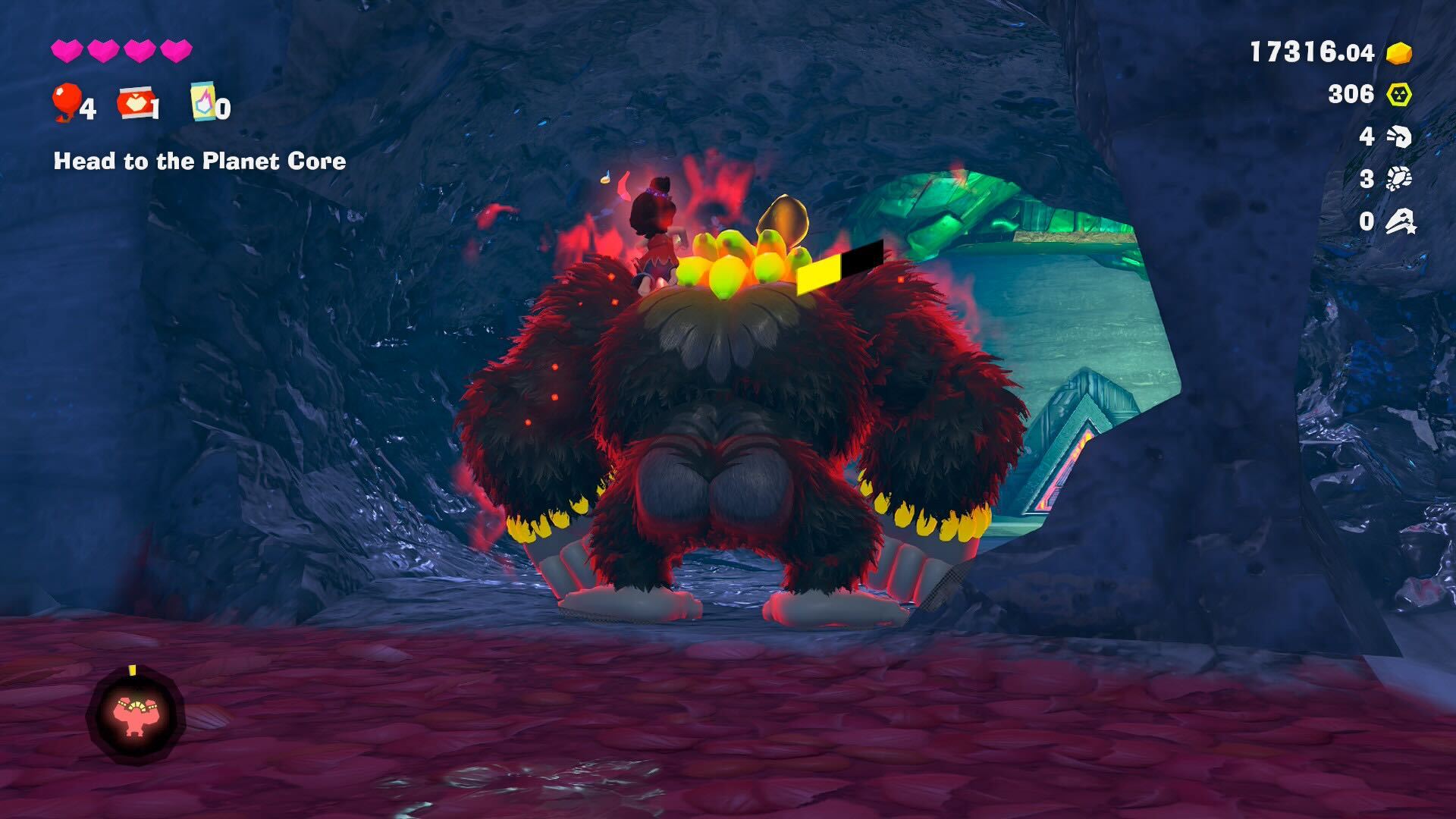
Donkey Kong’s Butt Takes Center Stage in Nintendo’s New Switch 2 Exclusive
Nintendo’s latest Switch 2 game, Donkey Kong Bananza, is making waves not just for gameplay but for something rather unexpected — the spotlight on Donkey Kong’s famously sturdy backside. For 43 years, fans have noticed the gorilla’s prominent derriere, and Bananza doubles down on this cheeky tradition with some seriously detailed graphics.
- Donkey Kong’s butt is a major visual focus in Donkey Kong Bananza
- The Kong Bananza transformation enlarges DK’s entire body, including his rump
- Historical nods to DK’s butt appear in old media and marketing
- Developer insights reveal a conscious design choice behind DK’s rear view
- Possible lore reasons tied to DK’s strength and gameplay mechanics
A Closer Look at Donkey Kong’s Derriere in Bananza
Playing Donkey Kong Bananza from a third-person perspective means you’re constantly looking at DK’s back, and yes — that includes his caked-up butt. Early in the game, you unlock the Kong Bananza transformation, which turns Donkey Kong into a powerful, yellow-haired powerhouse. In this form, every part of DK, especially his behind, becomes larger than life. The design even includes black markings resembling a tribal tattoo pointing downward, making the butt impossible to miss. Social media users have been quick to comment on this visual highlight:
Dude Donkey Kong’s ass is actually insane in this game #DonkeyKongBananza pic.twitter.com/otLlXquqhO
— Mae (@VisualMae) July 17, 2025
Donkey Kong’s Butt: A Long-Standing Nintendo Feature
This cheeky focus isn’t new. Nintendo has showcased Donkey Kong’s rear in marketing materials and media for decades. For example, an official screenshot from Super Smash Bros. years ago highlighted DK’s firm tush:
Even the 1997 Donkey Kong Country TV show trailer featured the gorilla’s backside prominently:
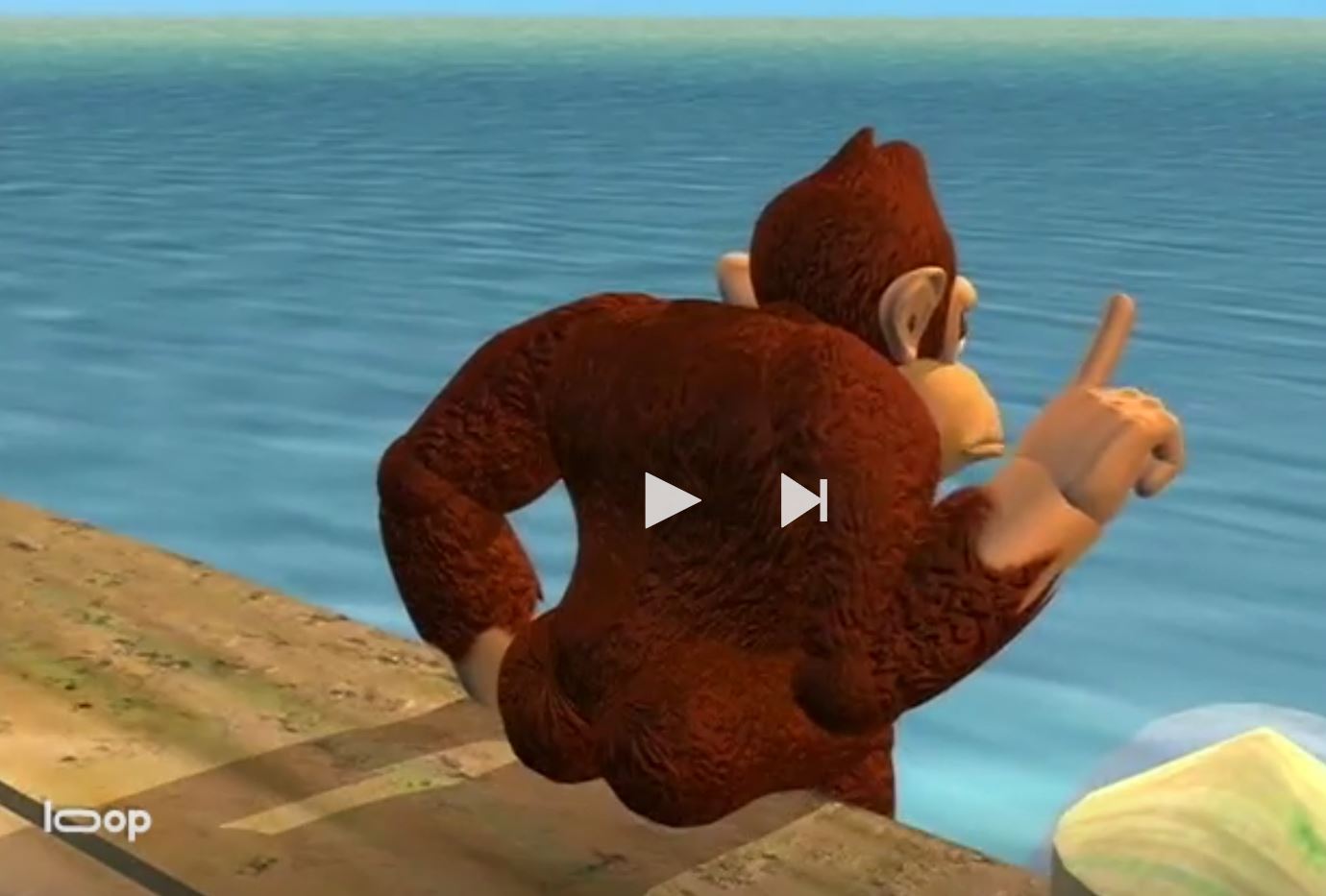
Back in the ‘90s, Nintendo seemed to embrace DK’s butt as a character trait, with fur textures that some might say look like rock surfaces — adding to the impression of a strong, solid rear end. It’s clear that Donkey Kong’s tush has been a consistent visual element for quite some time.
Promotional 1994 Donkey Kong Country T-shirt, which uses a visual pun to indicate that "Donkey Kong's back" (as in, returns in a new game) with a render of Donkey Kong's literal back. pic.twitter.com/QIa7iC046X
— Supper Mario Broth (@MarioBrothBlog) October 28, 2024
Developer Insights on Donkey Kong’s Design
In a recent Ask A Developer interview, producer Kenta Motokura shared some behind-the-scenes details: “we were also conscious of how Donkey Kong would look from the back while he’s moving.” Interestingly, Motokura mentioned that outfits were introduced to keep the visuals from becoming monotonous, given the constant focus on DK’s brown fur mass. But honestly, with so much attention on his butt, boredom seems unlikely!
It’s fun to imagine Nintendo has quietly had a “butt agenda” for years, similar to how FromSoftware’s Hidetaka Miyazaki’s fondness for feet has become a meme. And with Shigeru Miyamoto actively involved in Donkey Kong’s character creation, including his latest redesign (read more here), it’s safe to say the gorilla’s behind isn’t just an accident.
Why So Much Focus on DK’s Butt?
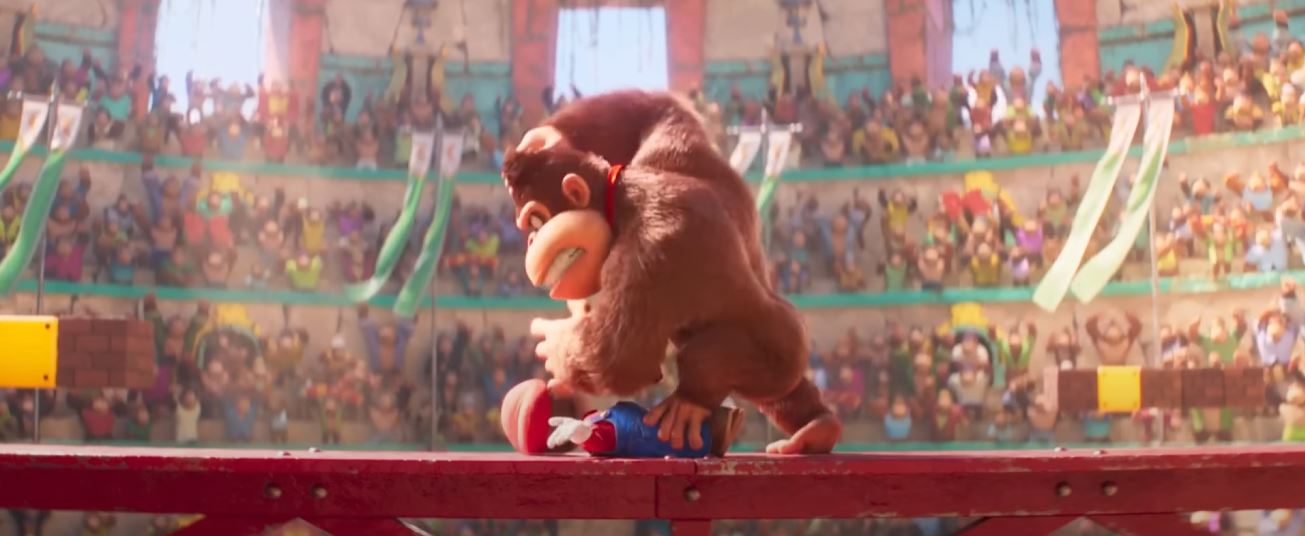
There’s actually a practical reason behind this design choice. Donkey Kong spends much of Bananza smashing through environments with his bare hands, and the game emphasizes his raw strength. The Mario movie also highlighted DK’s power, with scenes of him bashing Mario’s mustache. As a boxer, I can vouch that power comes largely from your legs and, by extension, your butt. So maybe Nintendo is nodding to that physical truth — DK’s strong butt means he’s a strong ape.