Why I Ditched My Steam Deck for the Nintendo Switch 2 — And You Might Too
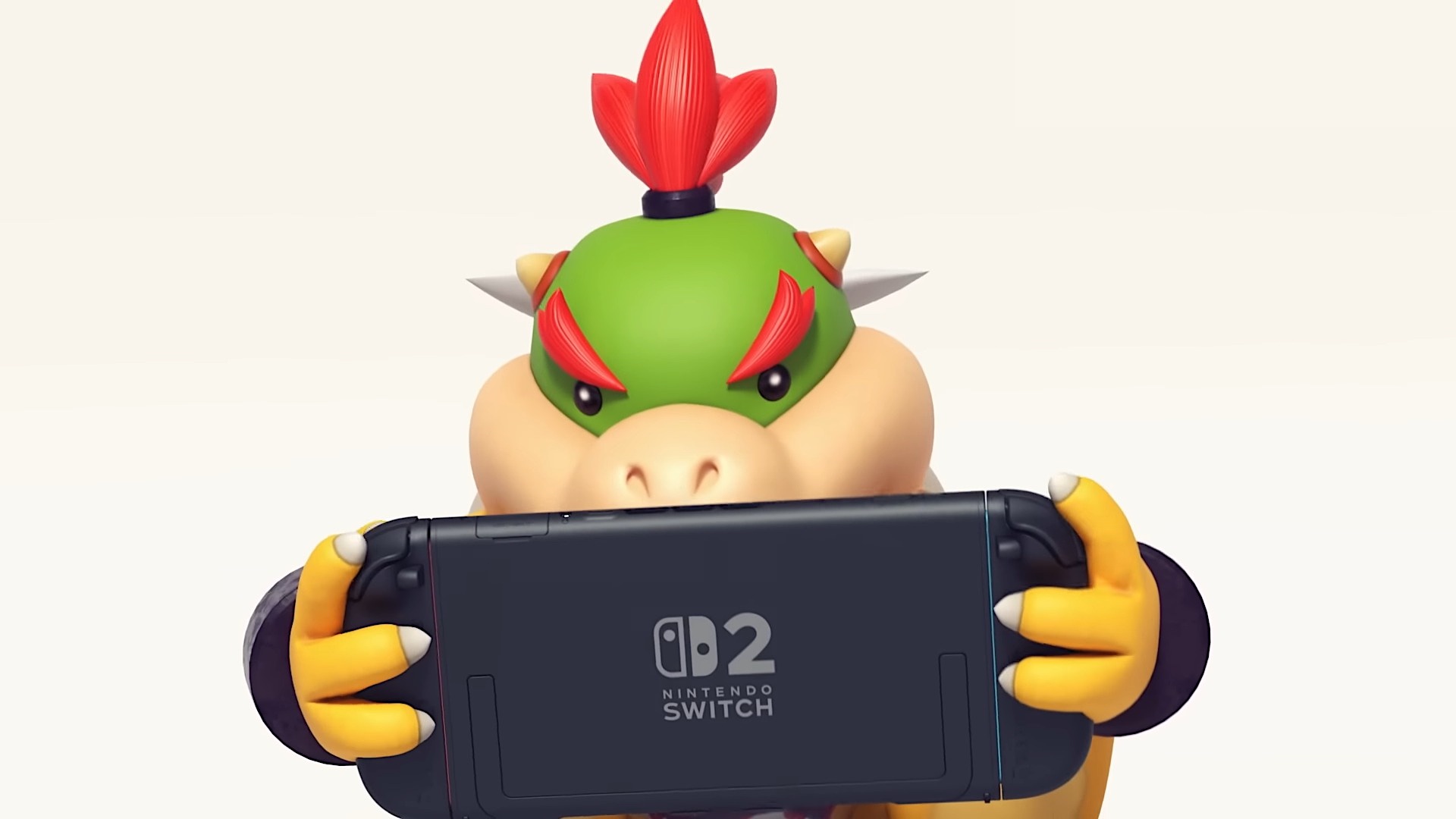
The Nintendo Switch 2 has quietly taken over my gaming sessions from the Steam Deck — at least for now. It’s not about raw power or specs, but more about how the device fits my mood and daily gaming needs.
- Comparing usage between Steam Deck and Nintendo Switch 2 over the past year
- Issues and quirks with Steam Deck hardware and software
- Why reliability is becoming a bigger factor in choosing a handheld console
- Early impressions of Nintendo Switch 2 and its smooth experience
- Looking ahead to future handheld gaming devices
Why the Switch 2 Replaced My Steam Deck
A year ago, I realized I was playing over half of my games on the Steam Deck, with Nintendo Switch trailing behind. But now, the Switch 2 has completely taken the lead. The honeymoon phase with a new console is real — I’ve been diving into titles like Fast Fusion and spending hours in Mario Kart World time trials. It’s classic new-console excitement, but there’s more to it than just fresh games.
The Steam Deck’s Temperamental Side
Trying to jump back to the Steam Deck after getting used to the Switch 2 has been frustrating. From color bars appearing on Tron: Catalyst to black screens forcing reboots, the Steam Deck’s quirks have become more noticeable. Even simple things like waking it from sleep mode can cause volume glitches or stubborn performance overlays that refuse to disappear. These annoyances add up, making the Switch 2’s stability a breath of fresh air.
Reliability Over Raw Power
While the Steam Deck offered great flexibility and horsepower, the Switch 2 now matches it in power for many modern games. But what really matters to me is reliability. So far, I haven’t encountered any bugs on the Switch 2 that require multiple reboots or troubleshooting. Every minute of gaming time feels uninterrupted — something I deeply appreciate as my patience for technical hiccups wears thin.
Of course, the Switch 2 isn’t perfect. Early adopters have reported compatibility issues with older games and some sleep mode quirks. But these are expected in a new device’s first month on the market. Handheld gaming hardware is still evolving, and companies like Valve and Nintendo are pushing boundaries in their own ways.
What’s Next for Handheld Gaming?
The landscape is changing fast. Devices like the Legion Go and the upcoming ROG Xbox Ally X promise more power and refinement, which could challenge the Switch 2’s current advantage. When Valve eventually releases a Steam Deck successor, the Switch 2 might feel outdated overnight. But until then, I’m happy to keep my Switch 2 as my main handheld console, even if it means charging the battery more often.
The bottom line: For now, the Switch 2 offers a smoother, less frustrating gaming experience that fits my current lifestyle better than the experimental Steam Deck. It’s a reminder that sometimes, ease of use beats cutting-edge specs when it comes to portable gaming.
{Nintendo Switch 2 handheld console}