Why Josh Trank’s 2015 Fantastic Four Still Beats the MCU Version in One Surprising Way
Josh Trank’s 2015 Fantastic Four offers a darker, more sci-fi take on the superhero origin story, standing out compared to other versions, including the MCU’s. While the film is far from perfect and feels unfinished, its first hour reimagines familiar characters in a fresh, gritty light.
– A darker, sci-fi approach to the Fantastic Four origin
– Focus on character relationships and class divide
– Body horror elements and isolation explored
– Strong performances that ground the characters
– Movie suffers from studio interference and abrupt shifts
A Different Origin Story
Unlike many superhero movies that skip or rush through origins, Trank’s Fantastic Four takes its time. It even goes further back than usual, spending about 10 minutes on the childhood friendship between Reed Richards (Miles Teller) and Ben Grimm (Jamie Bell). This sets up a neo-Spielbergian vibe, mixing earnest wonder with a darker sci-fi tone. The film highlights a class divide between Reed and Ben that shapes their paths, adding depth to the story.
Body Horror and Isolation
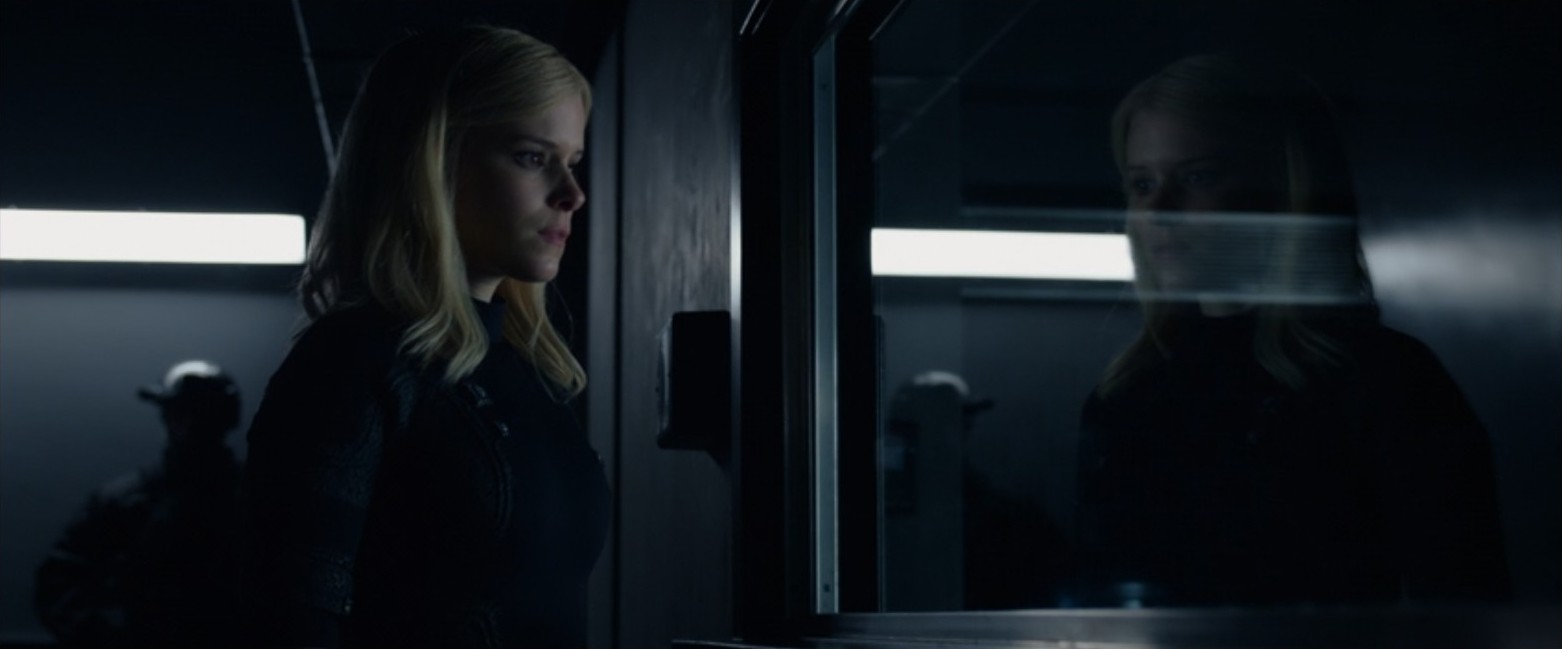
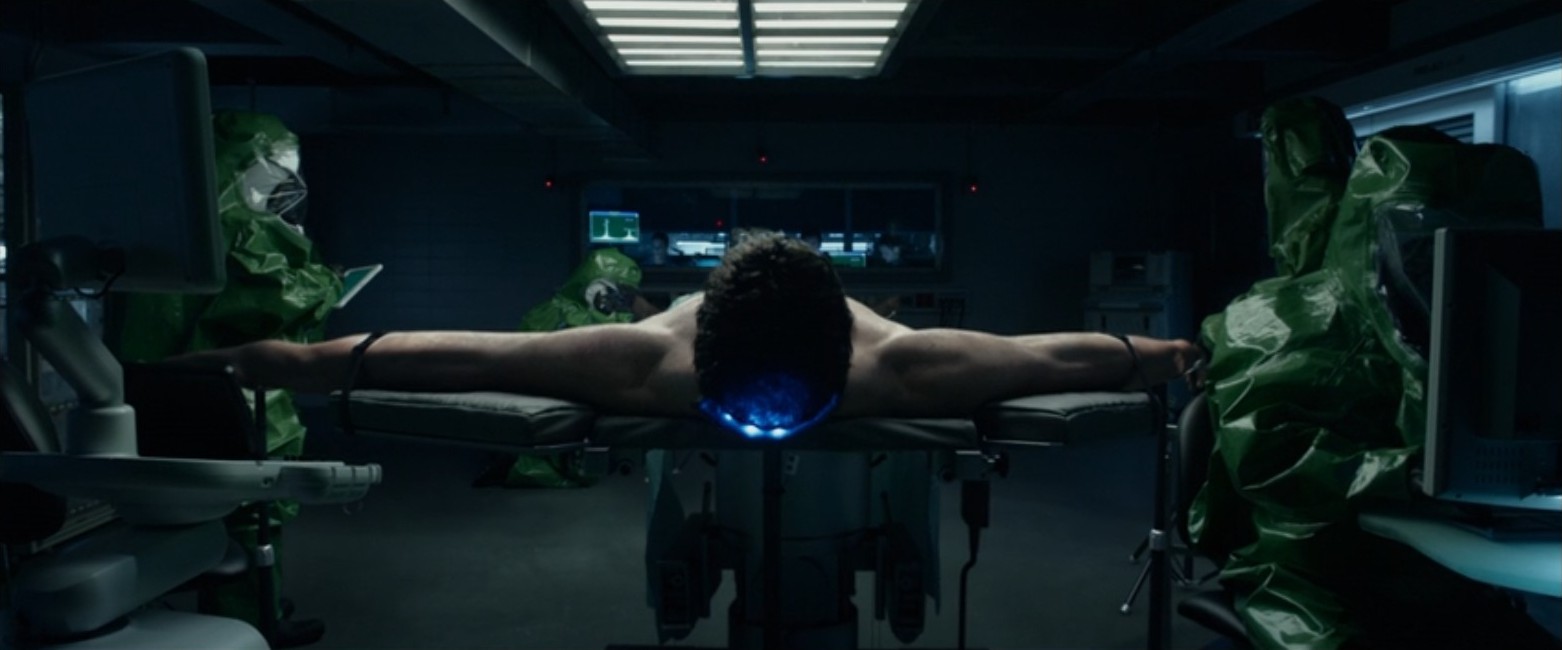
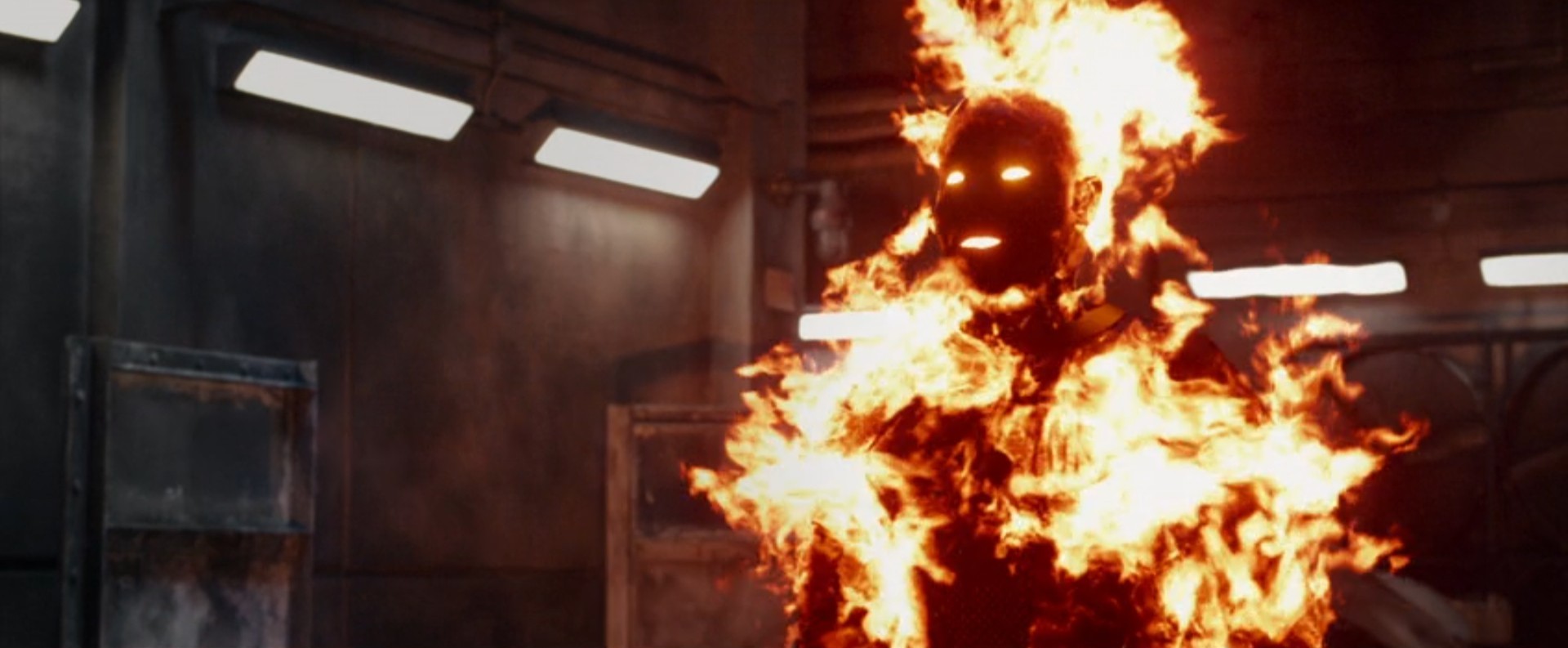
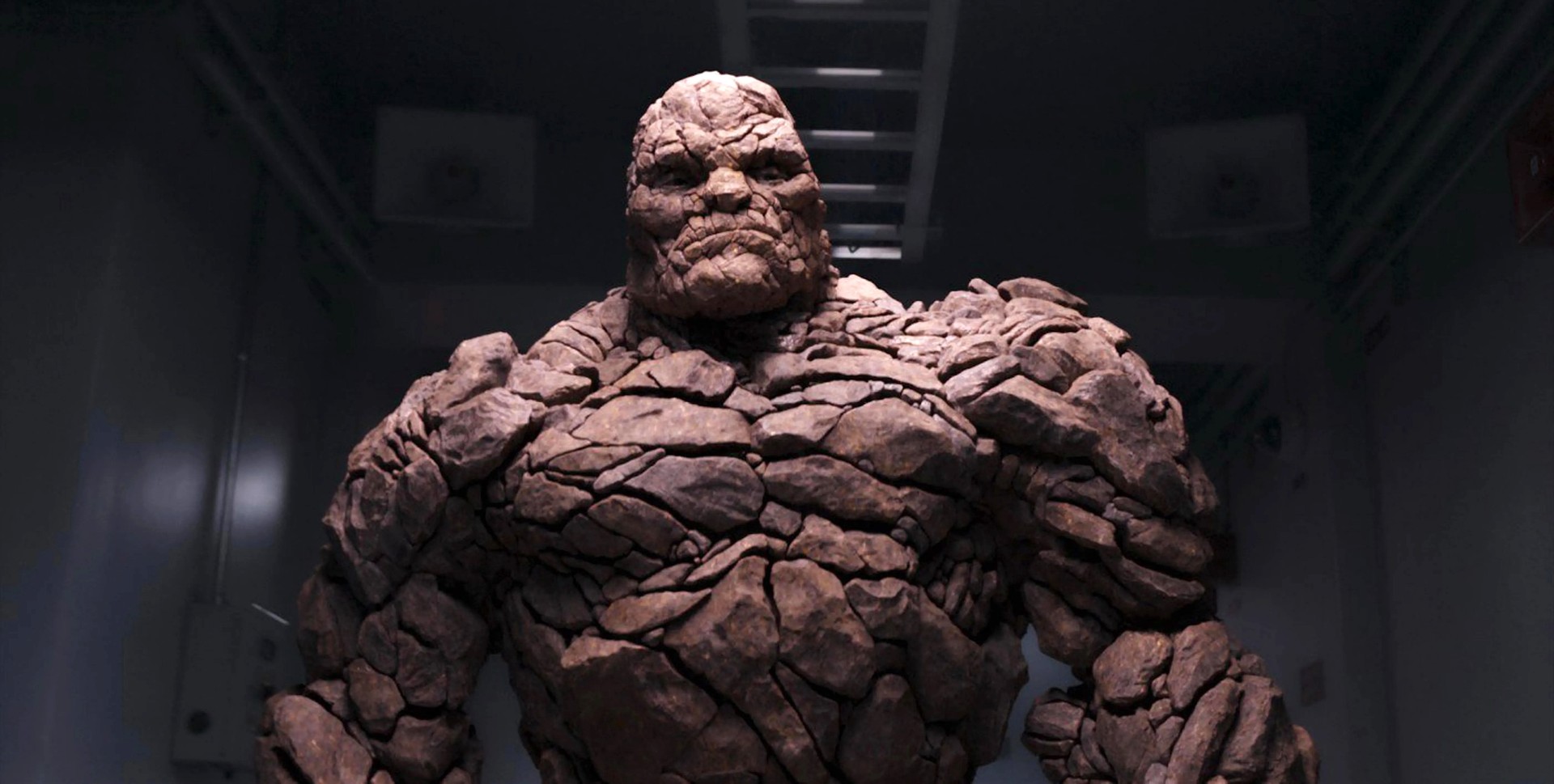
Trank described the movie as jumping to “body horror” in his head. While it’s not fully a body horror film, it explores the *weird science* behind the characters’ powers more than other adaptations. The Thing’s rocky form, the Human Torch’s fiery state, Sue Storm’s invisibility, and Reed’s stretchiness all come with a sense of alienation. The heroes are isolated in military labs, treated like experiments rather than people, which adds tension and emotional weight.
Complex Characters and Performances
The cast does a solid job grounding these characters in a darker, more realistic world. Teller’s awkward, outcast Reed feels more relatable than the usual genius portrayal, and Michael B. Jordan’s Johnny Storm is cocky but less slick than previous versions. The film ditches the usual family dynamics in favor of a grimmer, more fractured team dynamic. Victor Von Doom’s backstory as a warped, abandoned figure adds another layer of darkness.
Visuals and Effects
Despite the movie’s narrative issues, the visual effects are decent, especially for a film often criticized for its quality. The Human Torch’s ghostly stylization and the rocky texture of The Thing stand out, even if some powers like Reed’s are downplayed.
Why It Feels Unfinished
Behind-the-scenes problems and studio interference left the film feeling patchy. Writer Jeremy Slater mentioned that the final cut is basically an expanded version of the first 40 pages of the original script. After a strong first hour, the movie abruptly shifts into a more generic superhero mode, with dimly lit forests and clichéd action scenes. The infamous “glowy garbage-swirl sky-beam” also makes an appearance.
Conclusion: A Mixed Bag Worth Revisiting
While it’s hard to fully recommend the 2015 Fantastic Four, especially with the polished MCU version now out, it’s surprising how close Trank’s film comes to capturing a unique, smaller-scale superhero vibe. It tries to bridge comic-book spectacle with sci-fi and monster movie elements, offering something different in a genre often dominated by bright, interconnected blockbusters.
For those interested in a darker, more thoughtful take on the Fantastic Four, it’s worth a look — just don’t expect a finished product.
Check out Tim Story’s mid-2000s Fantastic Four movies here:
More on the 1994 Roger Corman movie that was never officially released:
https://www.vanityfair.com/hollywood/story/fantastic-four-1994-redemption
Josh Trank on the body horror approach in an interview with Entertainment Weekly:
New Images From ‘Fantastic Four,’ Josh Trank Talks “Body Horror” Approach