Why Netflix Rewrote Roald Dahl: Director Phil Johnston Explains The Twits’ Radical Makeover
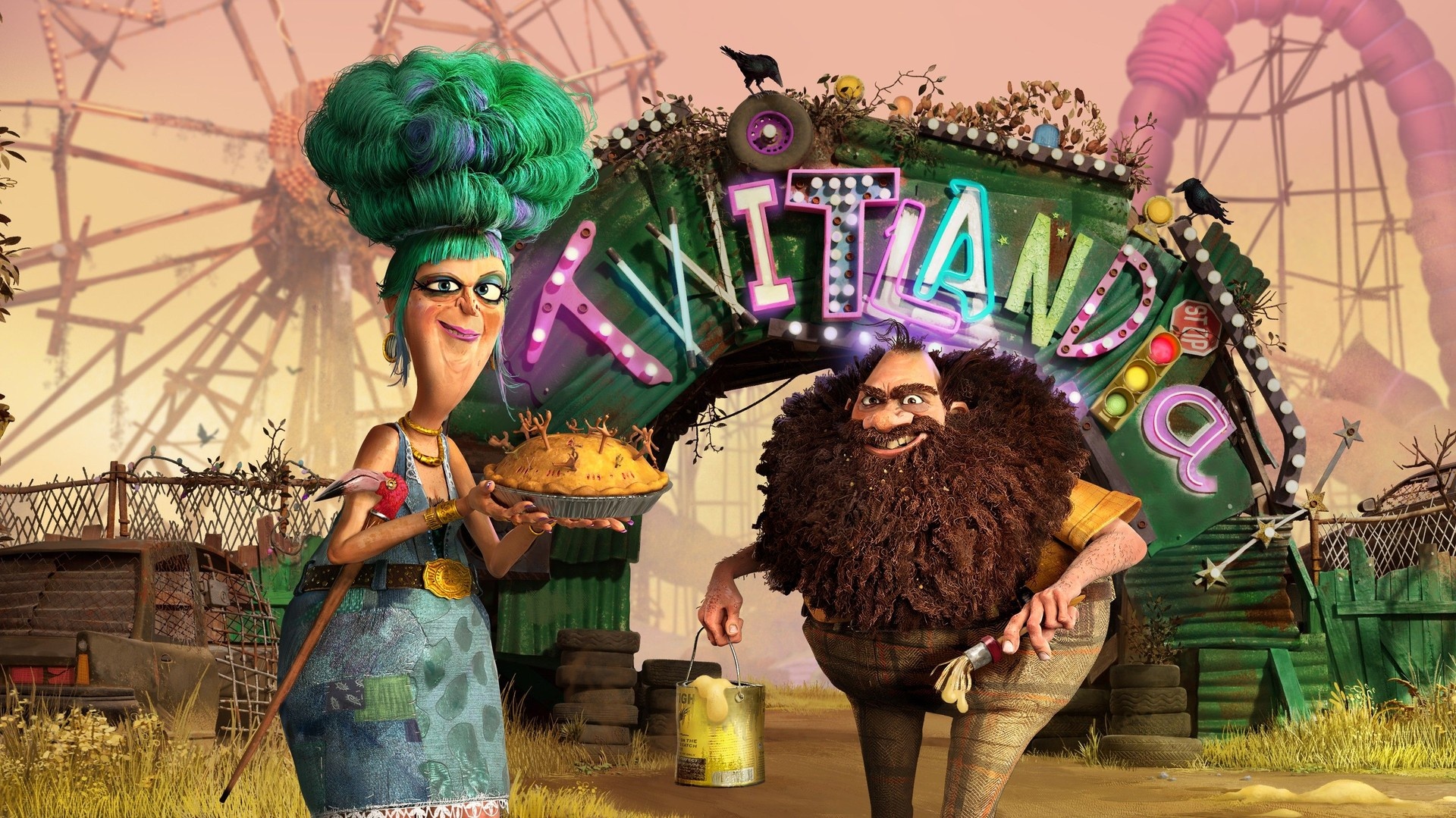
Netflix’s new animated film The Twits reworks Roald Dahl’s short 1980 book into a much larger story. Director and co-writer Phil Johnston expanded the plot, moved the setting to America, and changed several characters and details while keeping the book’s mean-spirited couple at the center.
- What the movie changes
- Who made it and who is in it
- Creative choices and quotes
- Dahl context and criticism
- When and where to watch
What the movie changes
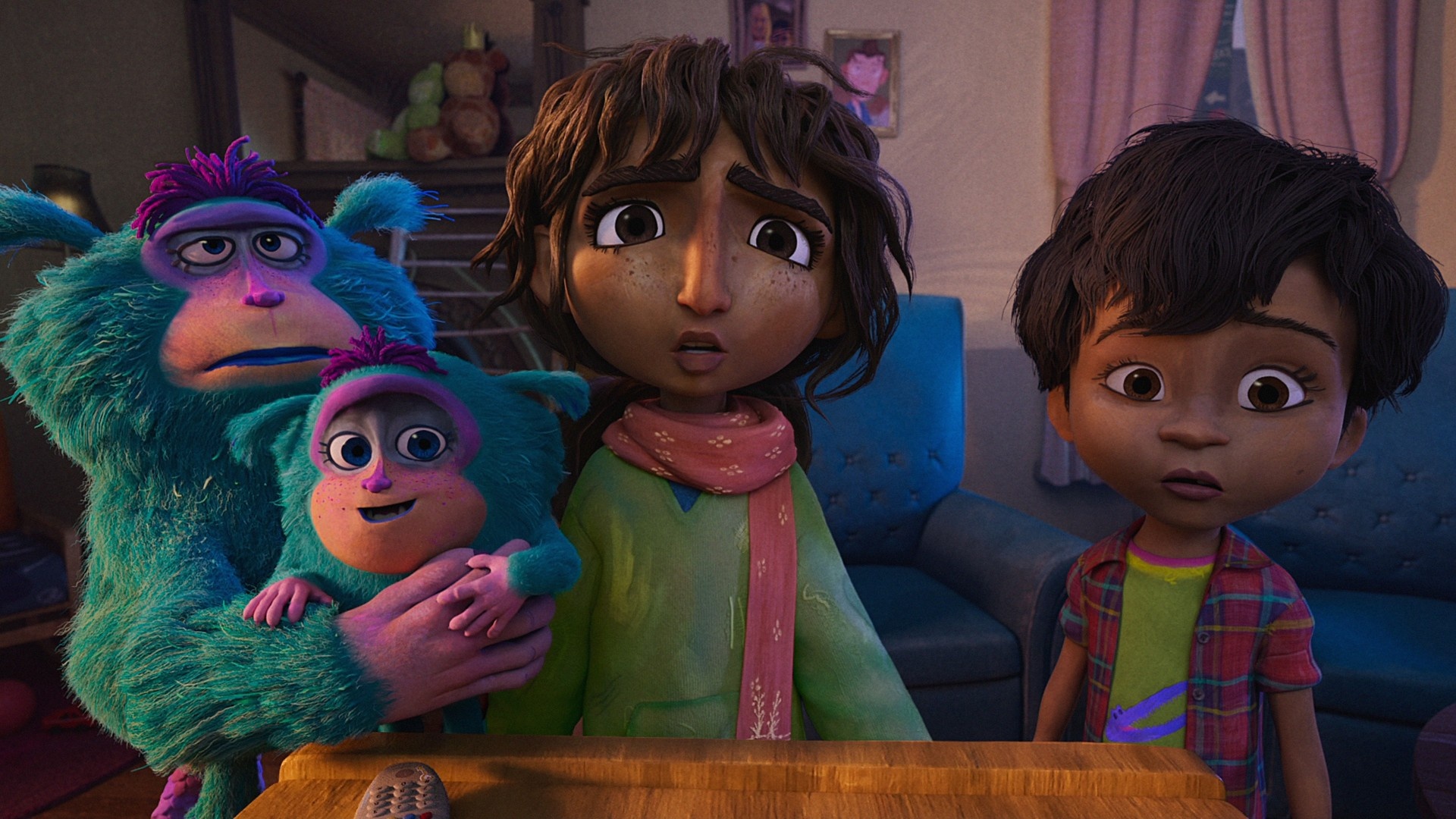
The film keeps Dahl’s titular couple, Mr. and Mrs. Twit, but places them in a new, extended story. Instead of the book’s emphasis on the Twits’ mutual nastiness, Johnston’s script directs much of their cruelty outward: toward a sad American town called Triperot and toward a group of orphans. The Twits run a run-down amusement park called Twitlandia that is powered by the magical tears of captured creatures called Muggle-Wumps. In the movie, the Muggle-Wumps are reimagined as turquoise, furry, magical beings rather than monkeys.
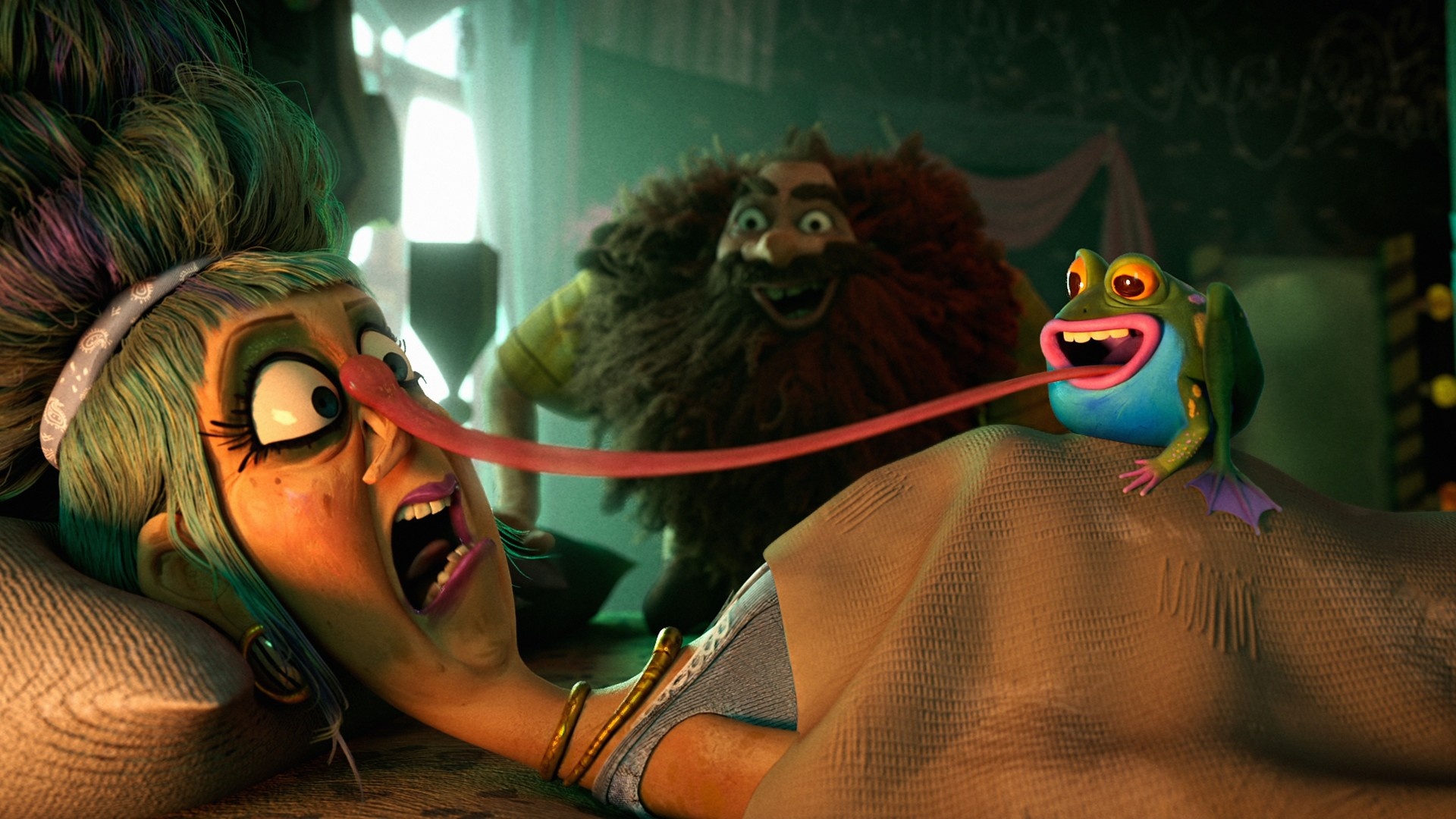
Additionally, the film adds new plot beats: local orphans who free the Muggle-Wumps; the animals forming a found family with the kids; and several broad slapstick set pieces, including a flood of meat slurry and a mayoral election disrupted by an exploding butt. The narrators are fleas living in Mr. Twit’s beard. In short, the movie borrows the Twits themselves but relocates them into a largely original story.
Who made it and who is in it
Director and co-writer: Phil Johnston, who previously worked on Wreck-It Ralph, Zootopia, and Ralph Breaks the Internet.
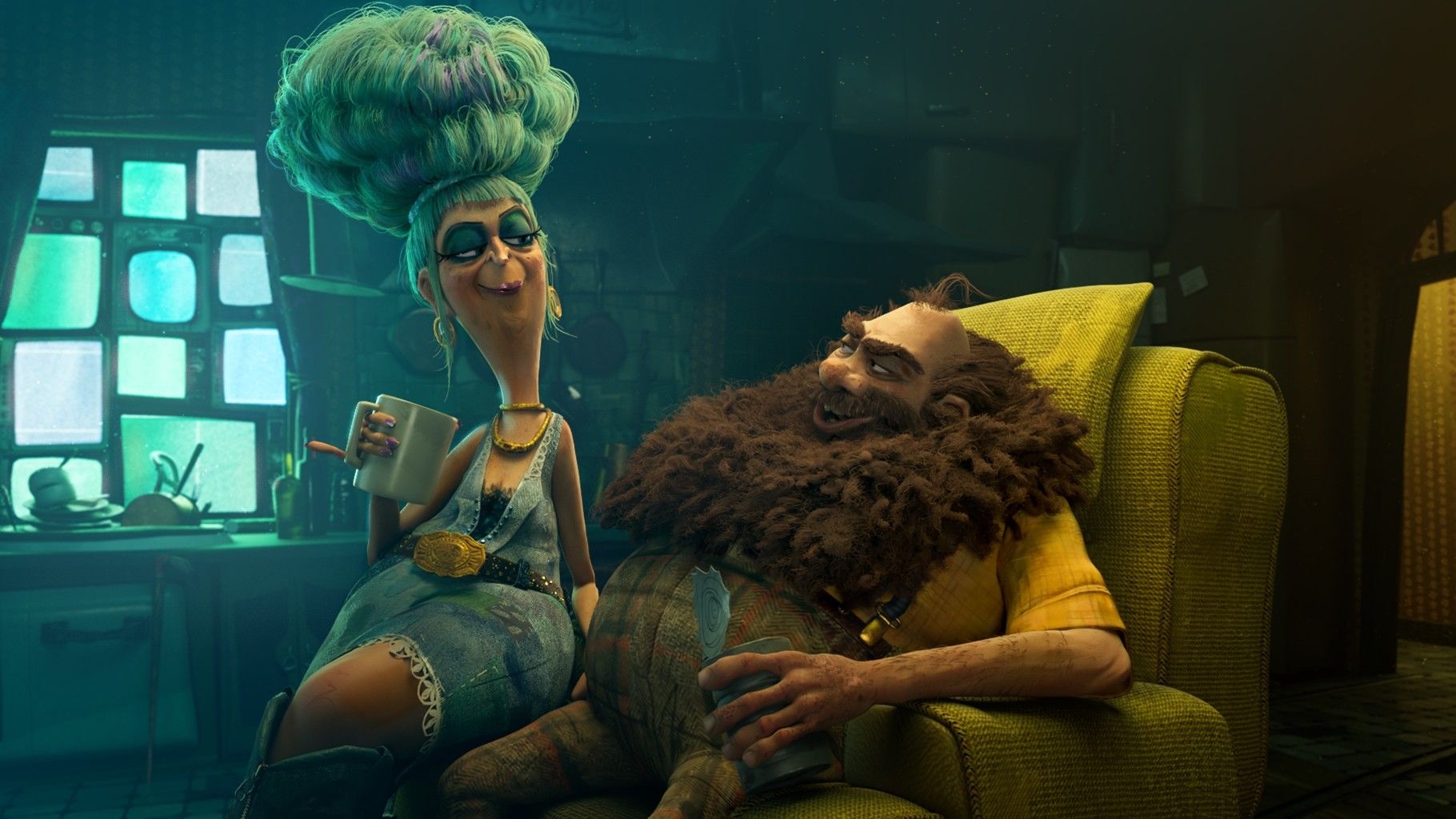
Voice cast: Margo Martindale and Johnny Vegas voice Mrs. and Mr. Twit. Natalie Portman and Tim Simons voice the reimagined Muggle-Wumps.
Creative choices and quotes
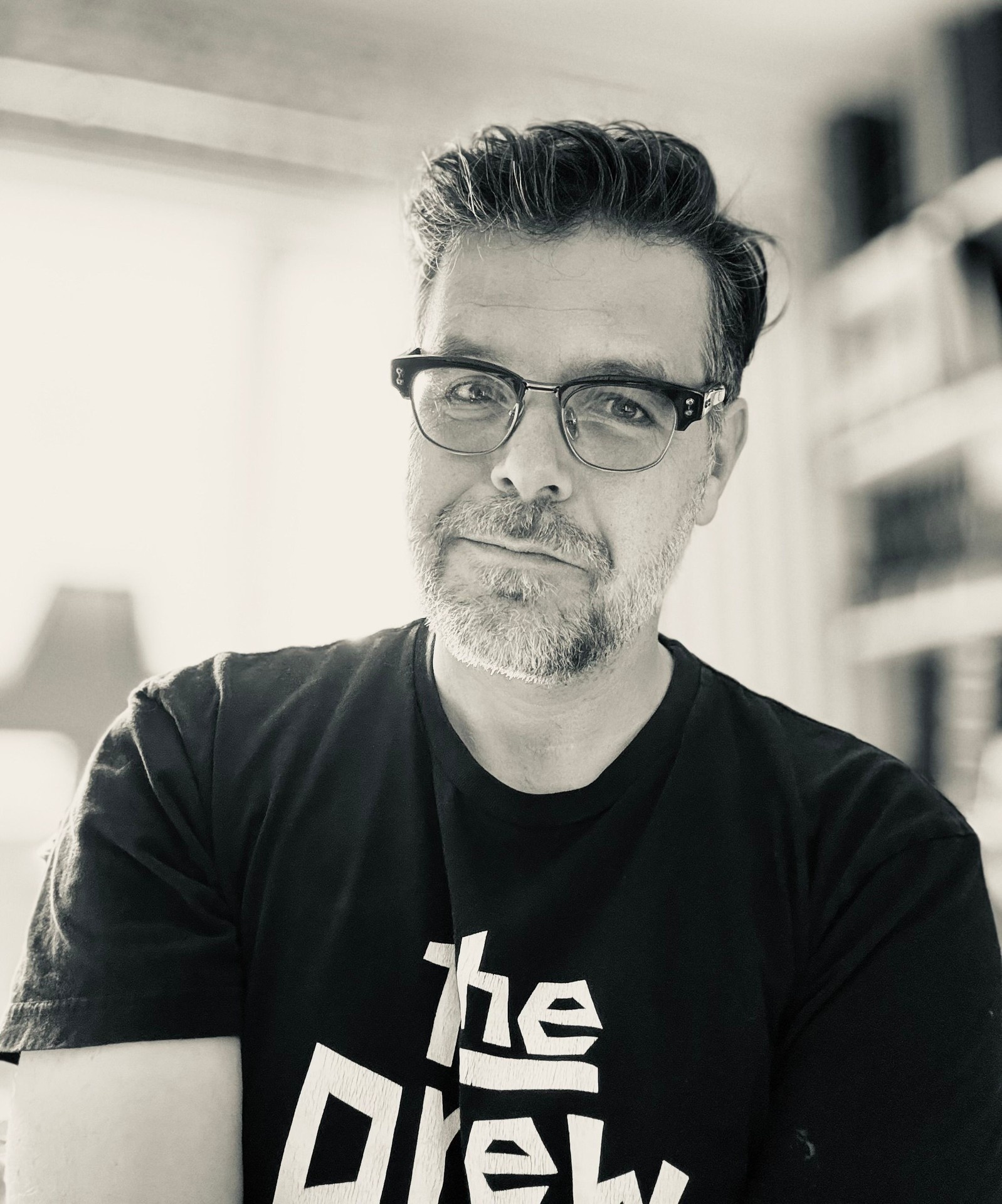
Johnston said he picked the book because “there wasn’t a lot of story in the book, it would allow me to take these two incredible, horrible characters and use them as a jumping-off point for a whole other experience, a whole other world.” He also described the film as “anti-hate, pro-empathy.”
To give the creatures more metaphorical weight, Johnston made the Muggle-Wumps’ tears a power source: “[The Twits are] stealing something from these creatures that’s powerful. And so the idea that they’re essentially stripping them of their emotion and using their tears as a power source felt juicy. That had a little more emotional punch.”
Johnston listed a wide range of tonal influences used in concept work, from Monty Python to Delicatessen and Bong Joon Ho’s Parasite, and he pointed to the Gene Wilder Willy Wonka film as a personal touchstone for balancing dark and sweet elements. He also shared concept art and said he wanted the movie to have dirt, shadows, and tactile textures rather than the typical bright, even look of many kids’ films.
When explaining the choice to set the film in America, Johnston said, “I debated putting it in the U.K. and then just looked at page 46, which is ‘Mr. And Mrs. Twit go and buy guns.’ So I’m like, Oh, Dahl actually probably wrote it for America, if that’s one of the chapter headings.”
Dahl context and criticism
Netflix acquired The Roald Dahl Story Company four years ago, giving it rights to Dahl’s books. Dahl’s work remains widely read, and his books are known for a macabre edge that appeals to kids. However, Dahl’s reputation also includes documented instances of antisemitic and racist remarks, a factor that has influenced how some adaptions are approached.
For broader context on Dahl’s lasting popularity and the conversation around his legacy, see this BBC piece.
When and where to watch
The Twits debuts on Netflix on Oct. 17. Johnston said the film began life as a limited series and was later reworked into a feature, which explains the large amount of new material added to Dahl’s original, short book.