Why Pixar Movies Feel So Different Now: The Surprising Shift Behind Elio and More
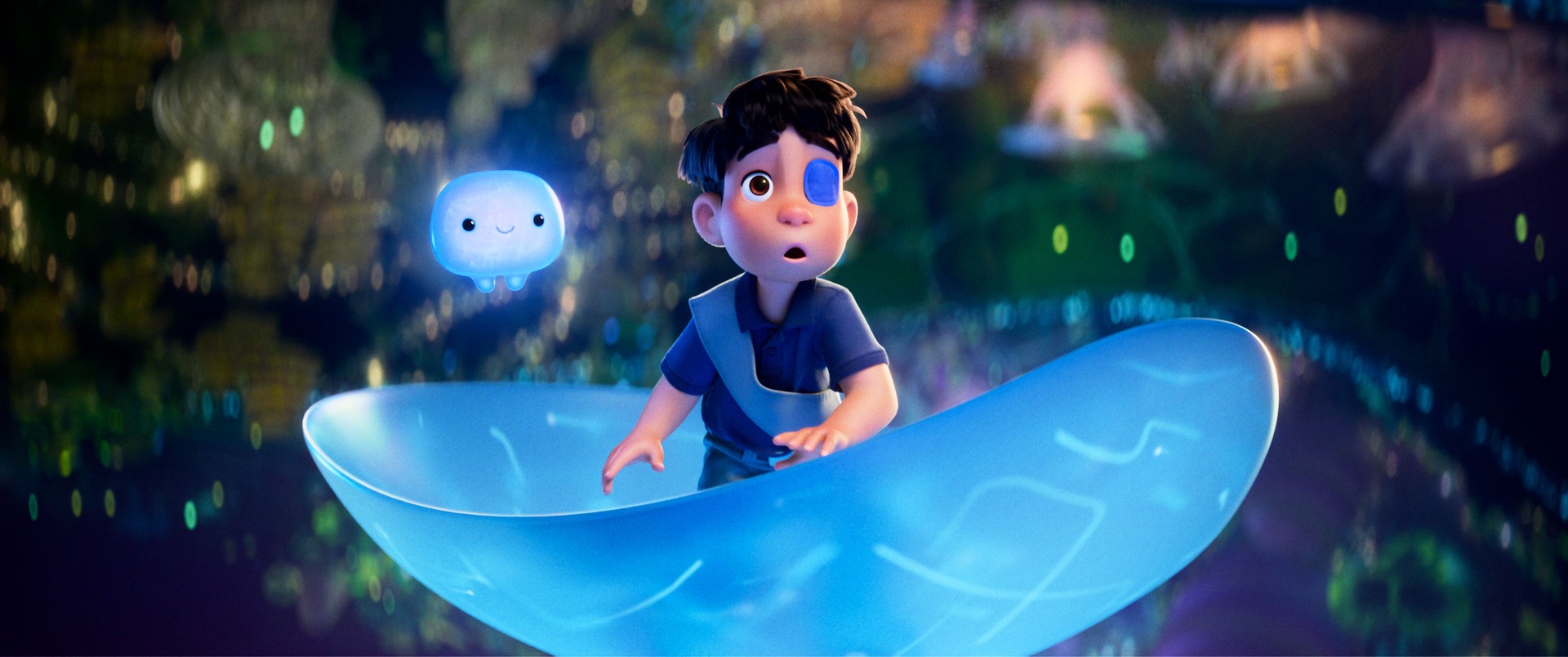
Ever wondered why new Pixar movies don’t always give you that same magical vibe as the classics like Toy Story or Monsters, Inc.? Let’s dig into what’s really changed at Pixar, especially with their latest release, Elio. Is it just nostalgia talking, or is the studio actually evolving in a totally new direction?
- How Pixar’s style shifted from secret worlds to more human stories
- Why Elio and other recent films feel so different
- The impact of mid-production changes and new themes
- What works—and what doesn’t—in Pixar’s “Human Era”
From Toys and Monsters to Real People: Pixar’s New Direction
The new movie Elio looks exactly like what you’d expect from Pixar—gorgeous animation, a bit of a buddy-comedy vibe, and a heartwarming story about an 11-year-old boy making friends with an alien. If you loved Coco, Luca, or Turning Red, you’ll notice similar coming-of-age themes and a colorful, imaginative world. This time, though, we’re on a wild spaceship where galactic peace is the main goal. Charming? Absolutely. But something’s different.
Mid-Production Tweaks and the Human Touch
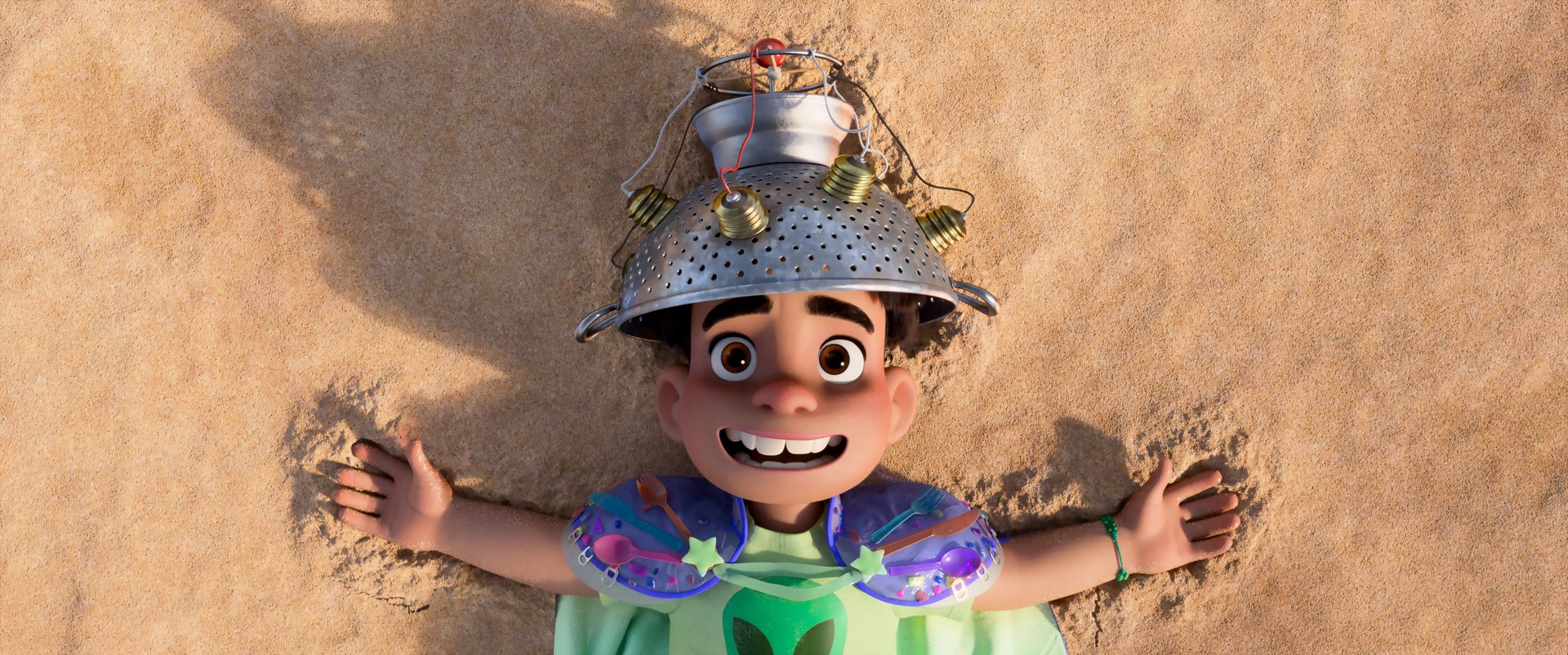
Elio, like some other recent Pixar films, sometimes feels a bit disjointed. That’s not just your imagination—there were mid-production changes that might explain the movie’s uneven feel. But here’s the twist: Pixar has always been known for reworking their movies as they go. So why do the flaws show more now? Welcome to what some are calling Pixar’s “Human Era.”
Secret Worlds? Not Anymore!
Remember how Toy Story let us peek into the hidden lives of toys? Pixar ran with that idea for years—bugs, monsters, fish, cars, even rats! A big reason was that early computer animation just couldn’t handle realistic human characters. Andy from Toy Story looked a little creepy, let’s be honest. So, Pixar kept the focus on non-human characters, or made their humans super stylized, like in The Incredibles or Wall-E.
Humans Take Center Stage
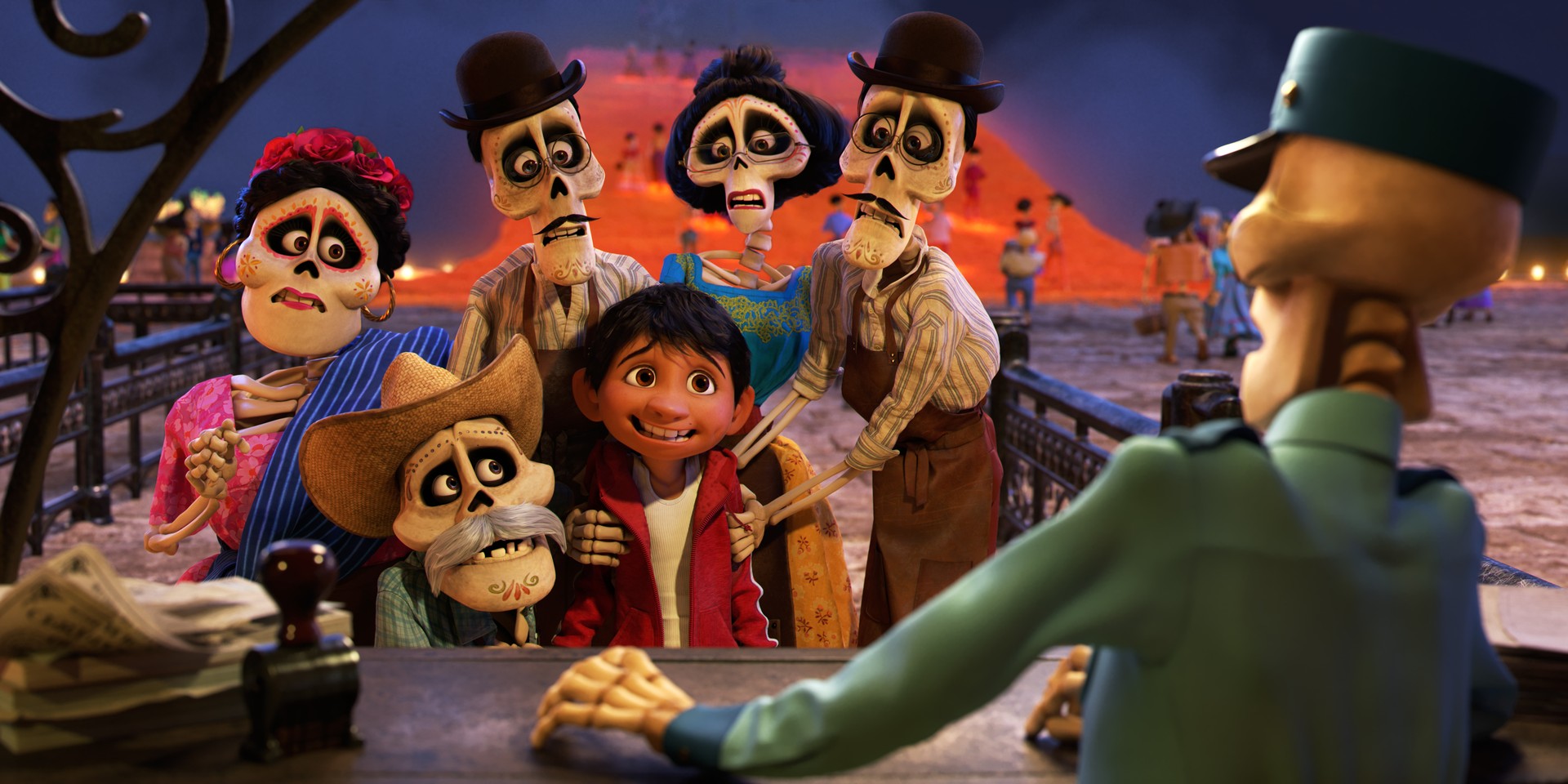
That started changing in 2017 with Coco, and since then, most new Pixar films feature actual humans as the leads. Coco, Soul, Luca, Turning Red, Elio—even Lightyear takes Buzz and makes him just a regular guy (well, sort of). Pixar still throws in ghosts, sea creatures, and wild worlds, but now the human stories are front and center.
What’s different? The focus has shifted from secret societies and parenting metaphors (think Toy Story’s toys as surrogate parents) to more direct coming-of-age stories. Movies like Turning Red still touch on family, but now it’s the kids’ point of view that matters most. The result? More relatable, sometimes more vulnerable storytelling—but also, the cracks are easier to spot.
When Pixar Slows Down, Magic Happens
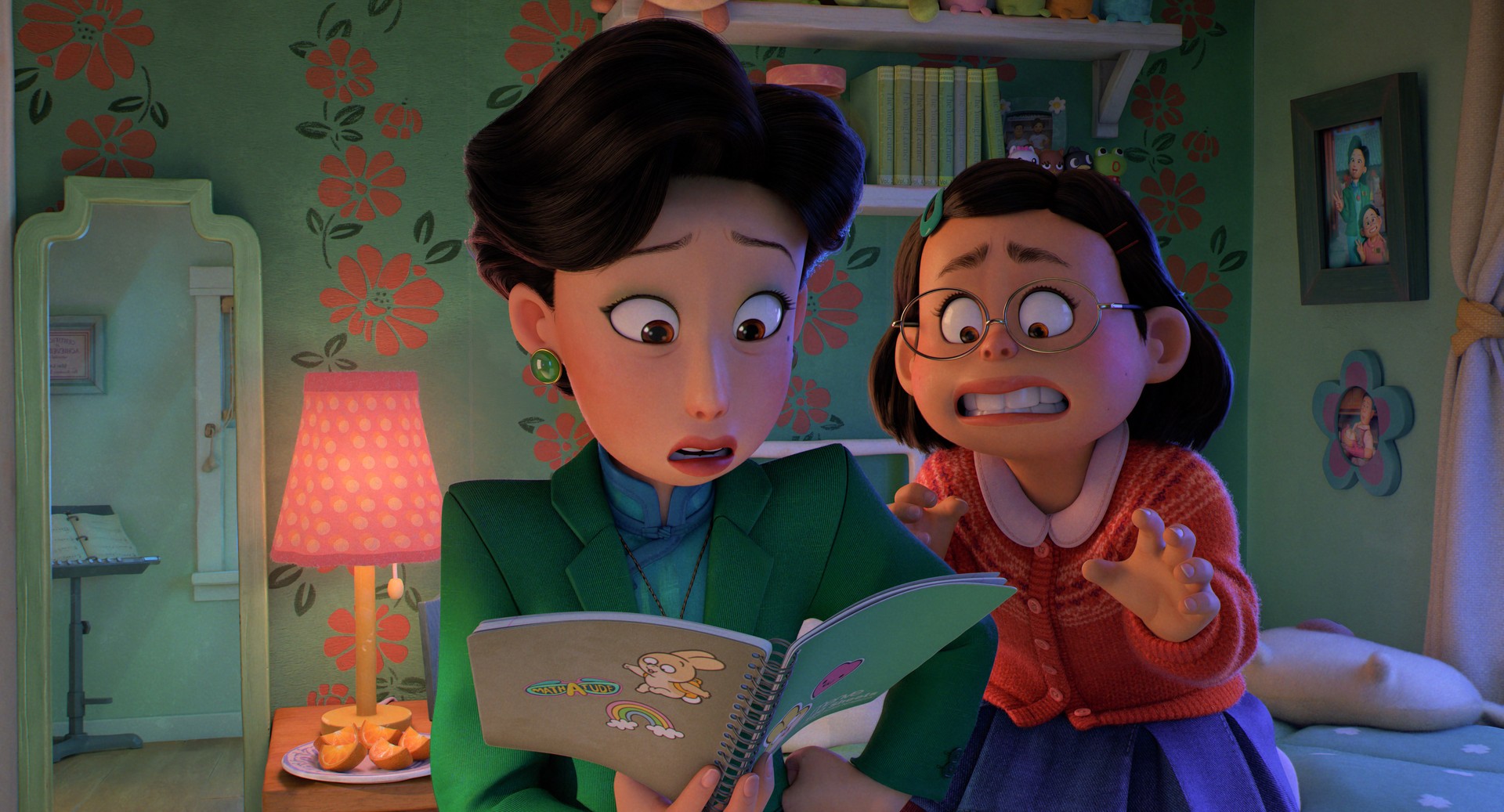
Turning Red and Luca are perfect examples of how Pixar’s new approach can really shine. These movies spend lots of time with their young heroes, showing off their worlds and friendships in a way that feels almost like a Studio Ghibli film—unhurried, authentic, and charming. The specificity of Mei’s Chinese-Canadian life in 2002 or Luca and Alberto’s seaside adventures feels fresh and real.
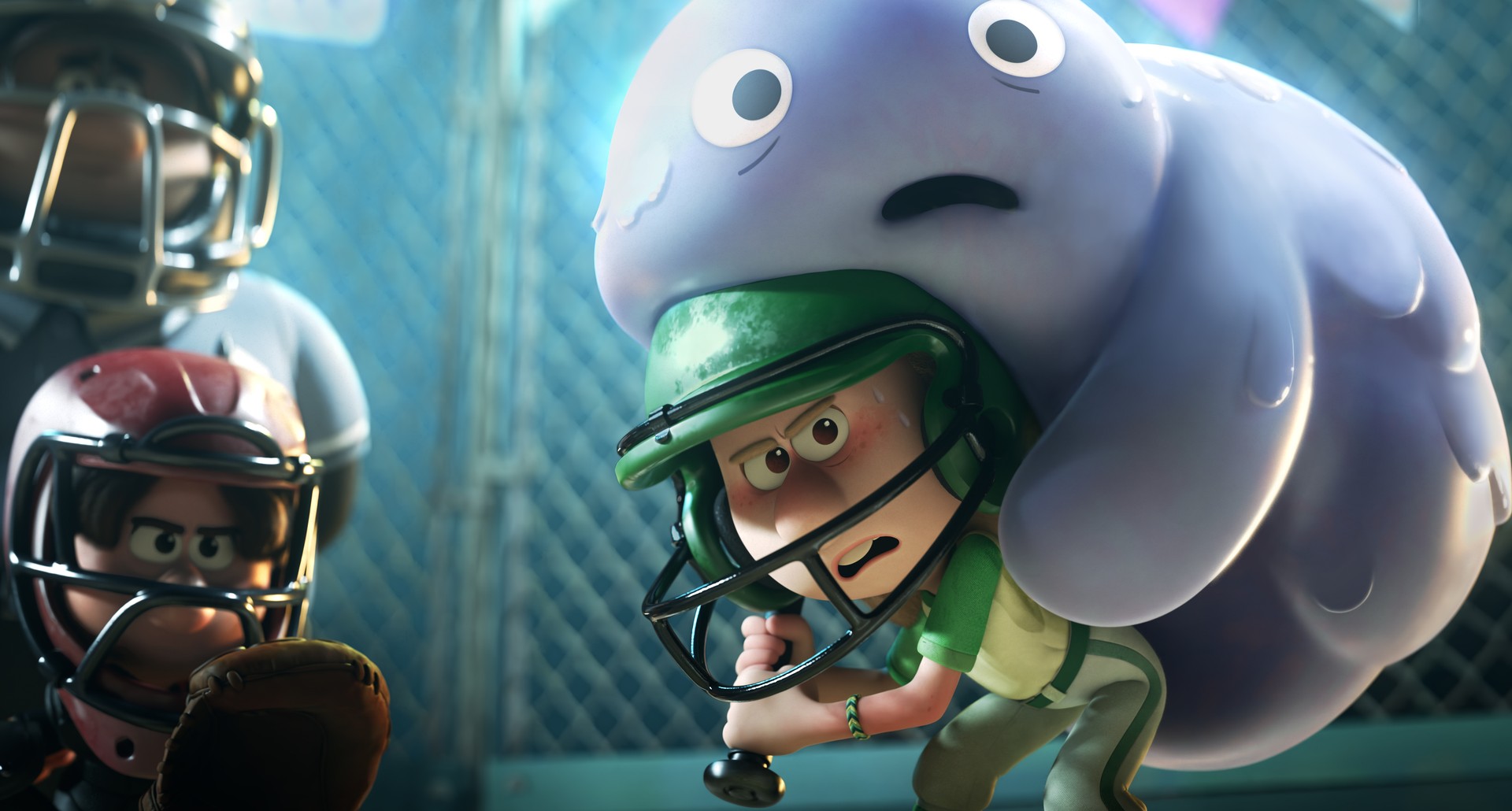
Pixar even tried something totally new with their show Win or Lose. No aliens, no magic—just kids playing softball and dealing with real-life stuff. It’s their least fantastical project yet, but it’s also one of the most surprising and delightful things Pixar has made in the 2020s.
Where the Human Era Stumbles
But there’s a catch. With humans in the spotlight, it’s much easier to see when a character is a little flat or the story feels formulaic. In Elio, for example, the main character is likable, but kind of generic—a “movie kid” more than a unique personality. His alien buddy Glordon stands out, but Elio himself is less memorable.
And sometimes, the new human focus makes the more metaphorical stories (like Elemental) seem awkward, caught between kid-friendly fun and deeper adult themes. The ambition is there, but it’s not always a perfect fit.
Compromises and Honest Storytelling
Win or Lose tried to be honest about real issues—one kid was even written as trans, but that storyline was changed to be more subtle, maybe too subtle. In a show that’s otherwise so open, that felt like a missed opportunity. The more direct Pixar gets, the more visible these kinds of compromises become.
So, Is New Pixar Worse?
Not necessarily! Some of Pixar’s best work has come from this “Human Era”—Turning Red, Luca, Coco are all fan favorites. But when a movie is just okay, or feels rushed, those flaws are a lot harder to hide. Sometimes, the reason is studio pressure or the rush to meet a deadline. But the result is that Pixar’s hits—and misses—feel more human than ever.