Why Queen of the Spiders — Voted D&D’s Greatest Adventure — Still Has No Full 5e Conversion
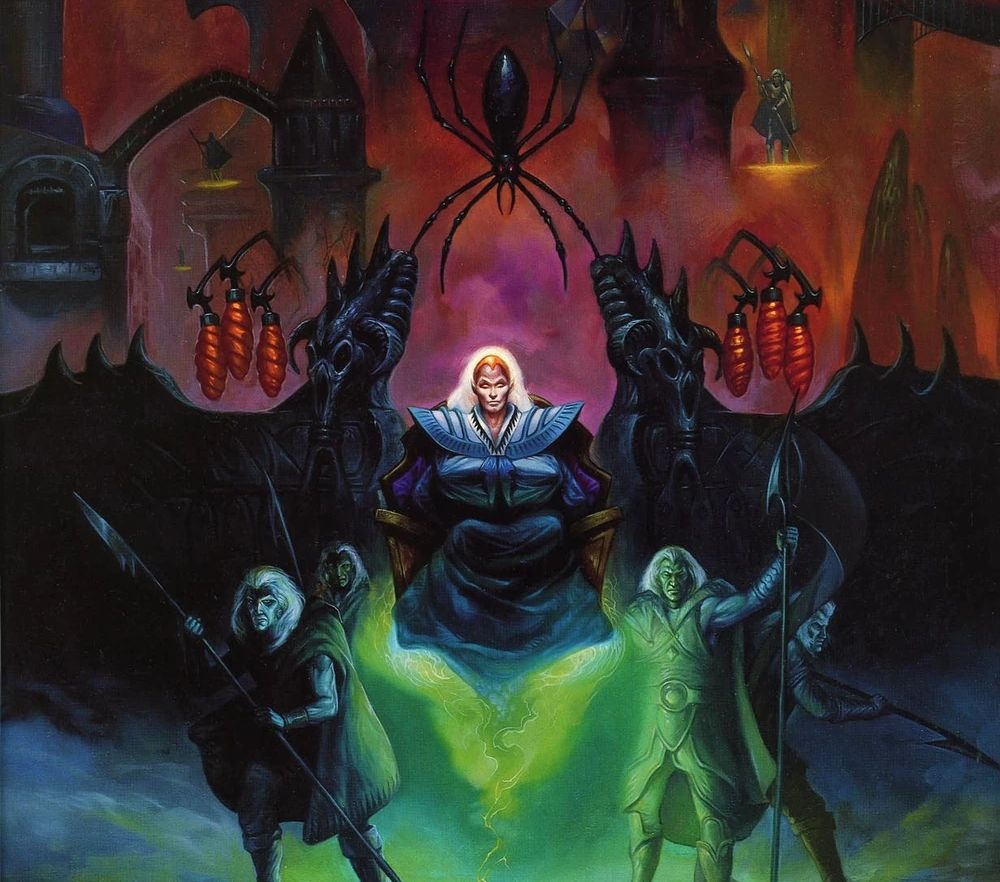
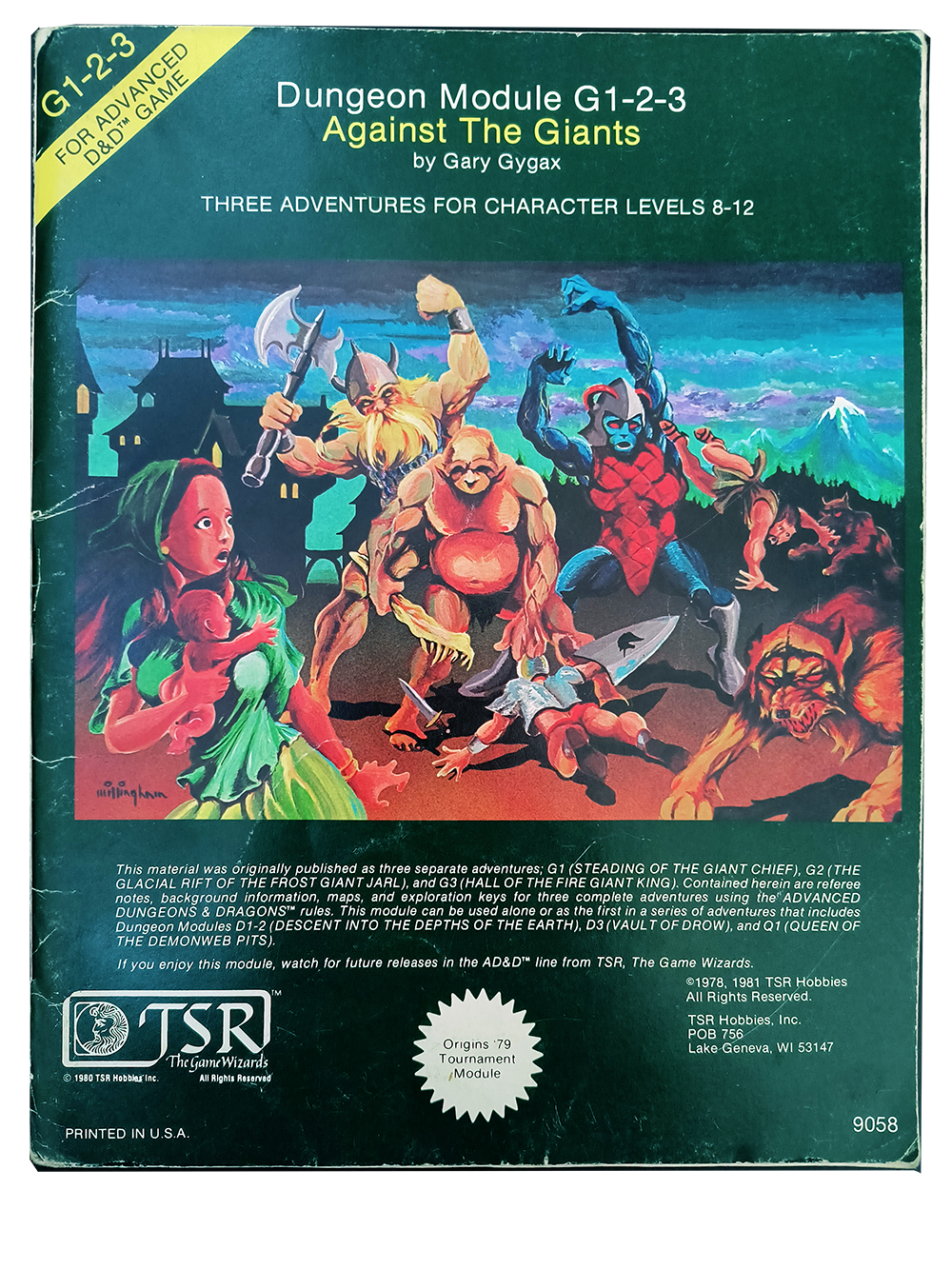
The Dungeons & Dragons campaign known as Queen of the Spiders remains only partially adapted to 5th Edition (5e). While the opening trilogy Against the Giants (G1–3) received a 5e update in the anthology Tales from the Yawning Portal, the follow-up modules that complete the classic campaign have not been fully converted.
- Which modules remain unadapted
- Content, style and structure
- Sensitivity and lore changes
- Availability and how to play it today
Background and origin
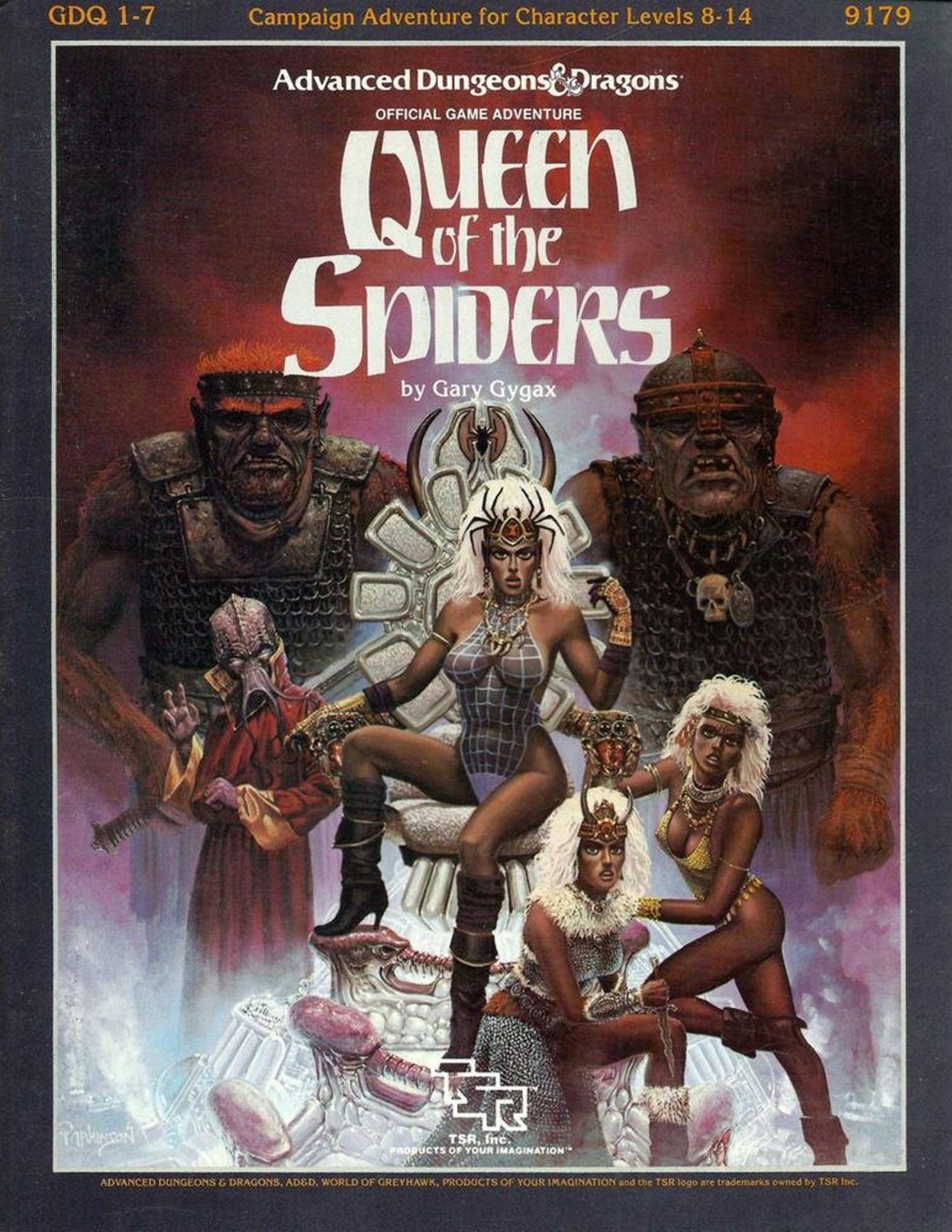
Queen of the Spiders is a compilation of seven linked adventures originally published for Advanced Dungeons & Dragons around 1978–1980. The series begins with Against the Giants (G1–3) and continues through the D-series (D1–D3), the S-module (S1), and finally Q1, Queen of the Demonweb Pits.
Author Gary Gygax wrote the early modules in part to take a breather from core rule writing; he said he wrote Against the Giants to “take a break” between the Monster Manual (1977) and the Player’s Handbook (1978). More on that era can be found in a historical piece on GameSpy.
What exists in 5e
Wizards of the Coast officially adapted the G1–G3 modules for 5e and published them in the anthology Tales from the Yawning Portal (2017). Those three modules are available to 5e players and preserve the high-level giant-hunting premise.
However, the official 5e treatment stops there: the later D-, S-, and Q-modules that continue the story into the Underdark, Erelhei-Cinlu, and the Abyss have not been released as full 5e conversions.
Which modules remain unadapted
The unconverted parts of the campaign include:
- D1–D3 — Descent Into the Depths of the Earth (Underdark travel and encounters)
- S1 — Shrine of the Kuo-Toa (Kuo-toa and their interplay with the drow)
- V1 — Vault of the Drow (open-ended drow city sandbox)
- Q1 — Queen of the Demonweb Pits (final confrontation with Lolth)
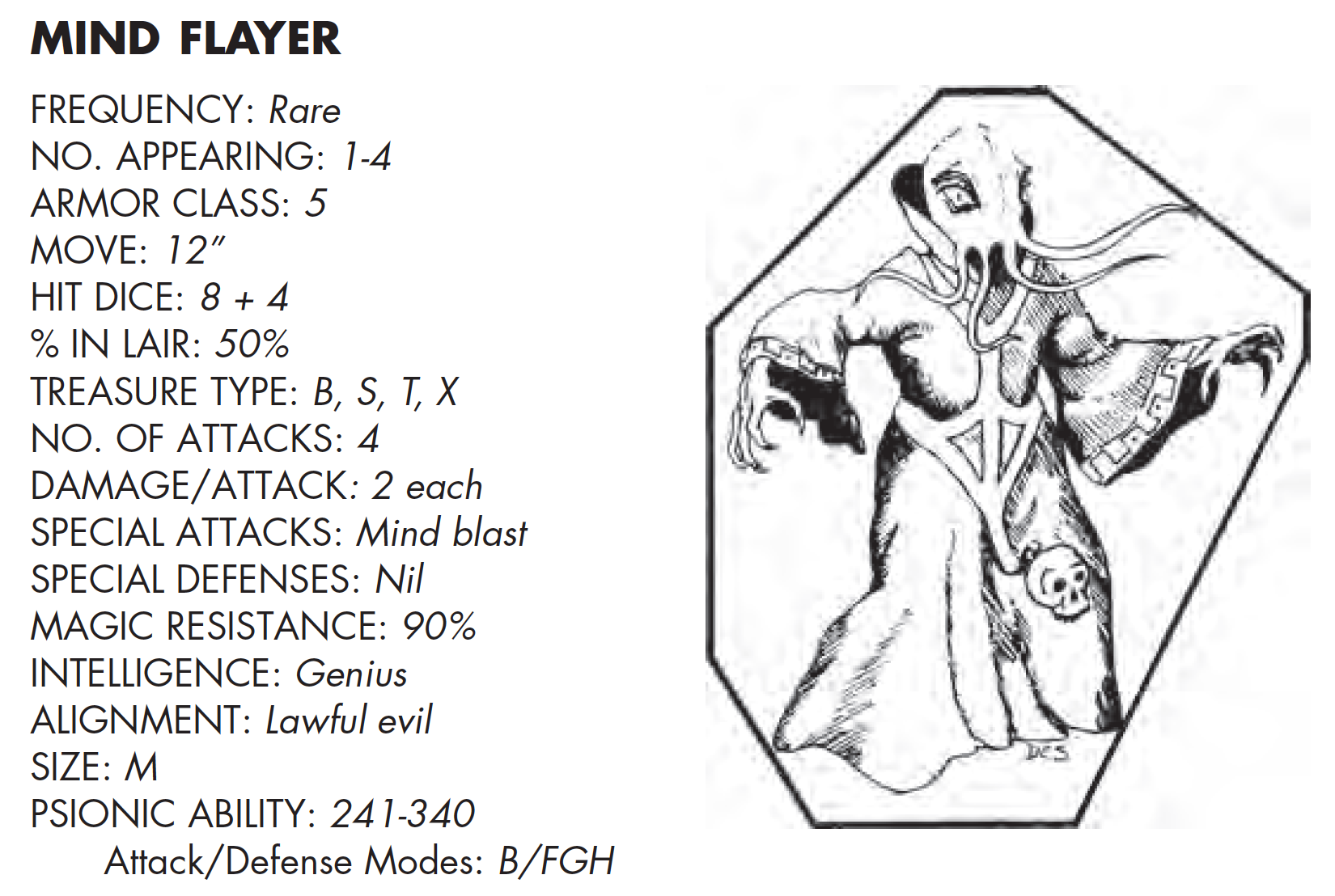
Most of these modules were authored by Gary Gygax; Q1 was authored by David Sutherland. They introduce many creatures and locations that later became staples of D&D, such as the drow, mind flayers, kuo-toa, and the early concept of the Underdark.
Content, style and structure
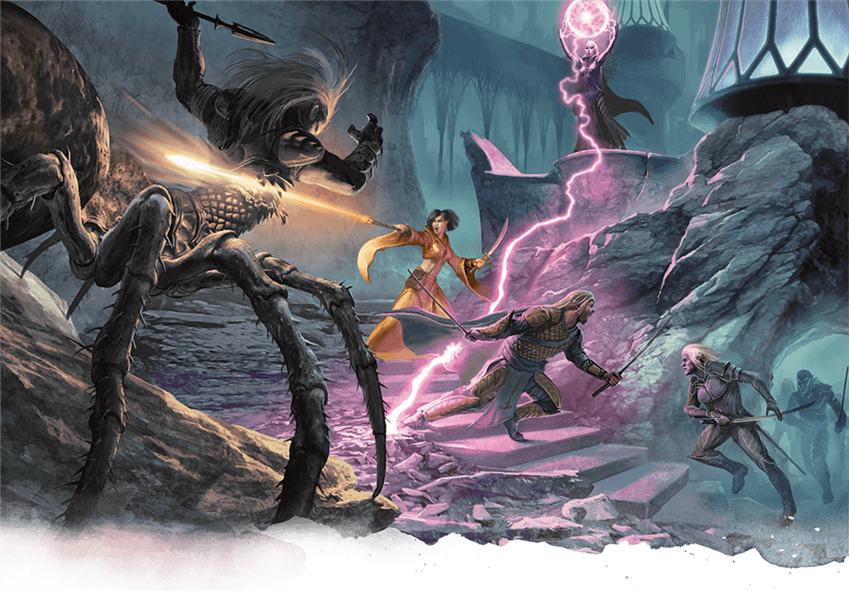
The full campaign moves from fortress dungeon-crawls (the giant strongholds) into a dangerous Underdark hexcrawl, then into a political and survival sandbox in a drow city, and finally into an extraplanar confrontation.
Mechanically, the early modules are high-level and brutal: giants hit hard and can overwhelm parties, resources are limited, and travel through the Underdark often relies on random encounter mechanics rather than scripted story beats. D1–D2 function similarly to a hexcrawl with wilderness navigation and many random encounter tables.
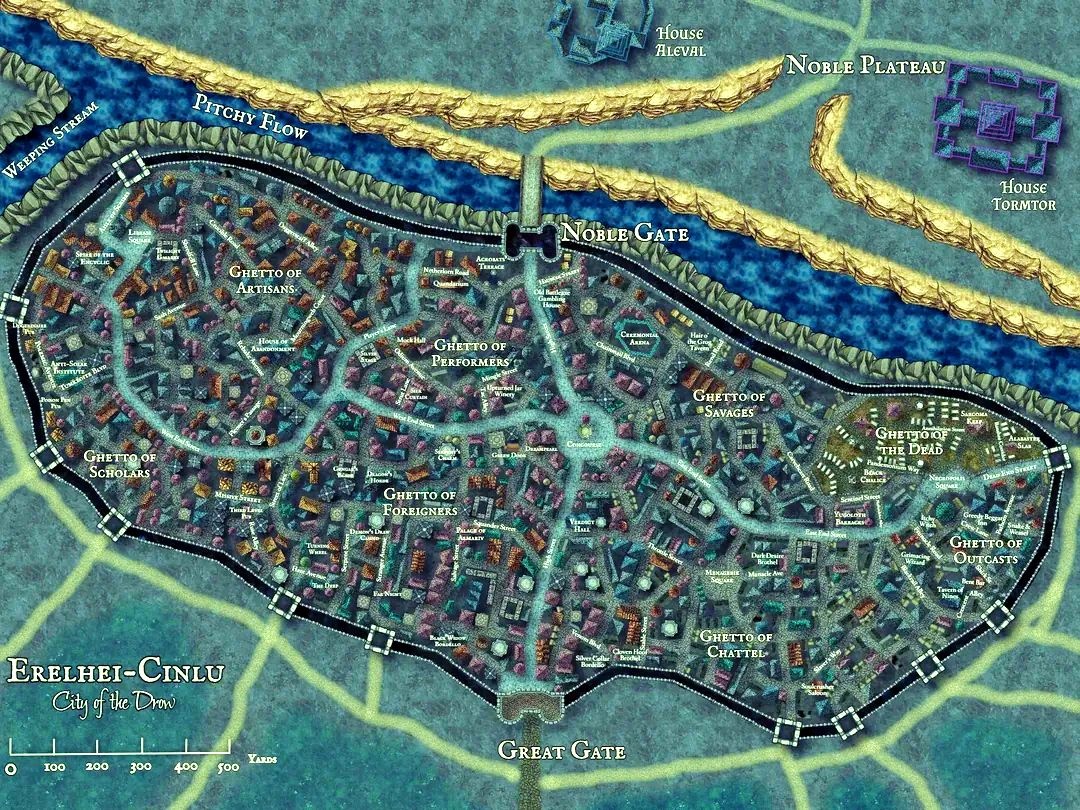
Vault of the Drow (V1) shifts to an open, faction-driven city where factions, rankings, and political forces are the central mechanics. The city of Erelhei-Cinlu contains many drow factions and requires stealth, diplomacy, and intelligence-gathering rather than brute force.
Sensitivity and lore changes
Wizards of the Coast has noted that some older module content “does not reflect the values of the Dungeons & Dragons franchise today. Some older content may reflect ethnic, racial, and gender prejudice that were commonplace in American society at that time. These depictions were wrong then and are wrong today.”
In 2021, D&D’s presentation of the drow and related lore was officially revised so that the idea of an entire race being uniformly evil was replaced by a more nuanced view: the “evil drow” concept is now treated as the result of specific cult activity rather than an inherent racial trait. Reporting on those changes is available at Screen Rant.
Availability and how to play it today
The adapted G1–G3 content is available in 5e via Tales from the Yawning Portal. The later modules remain available in their original AD&D forms through collectors and reprints, but they have not been fully converted to 5e by Wizards.
For players and DMs who want to experience the whole campaign today, options include running the original modules with house rules, converting encounters selectively to 5e, or using the adapted G1–G3 as a jumping-off point and homebrewing the Underdark and drow segments to reflect current sensibilities and mechanics.