Why Roguelikes Make You Want to Quit — and Roguelites Keep You Coming Back
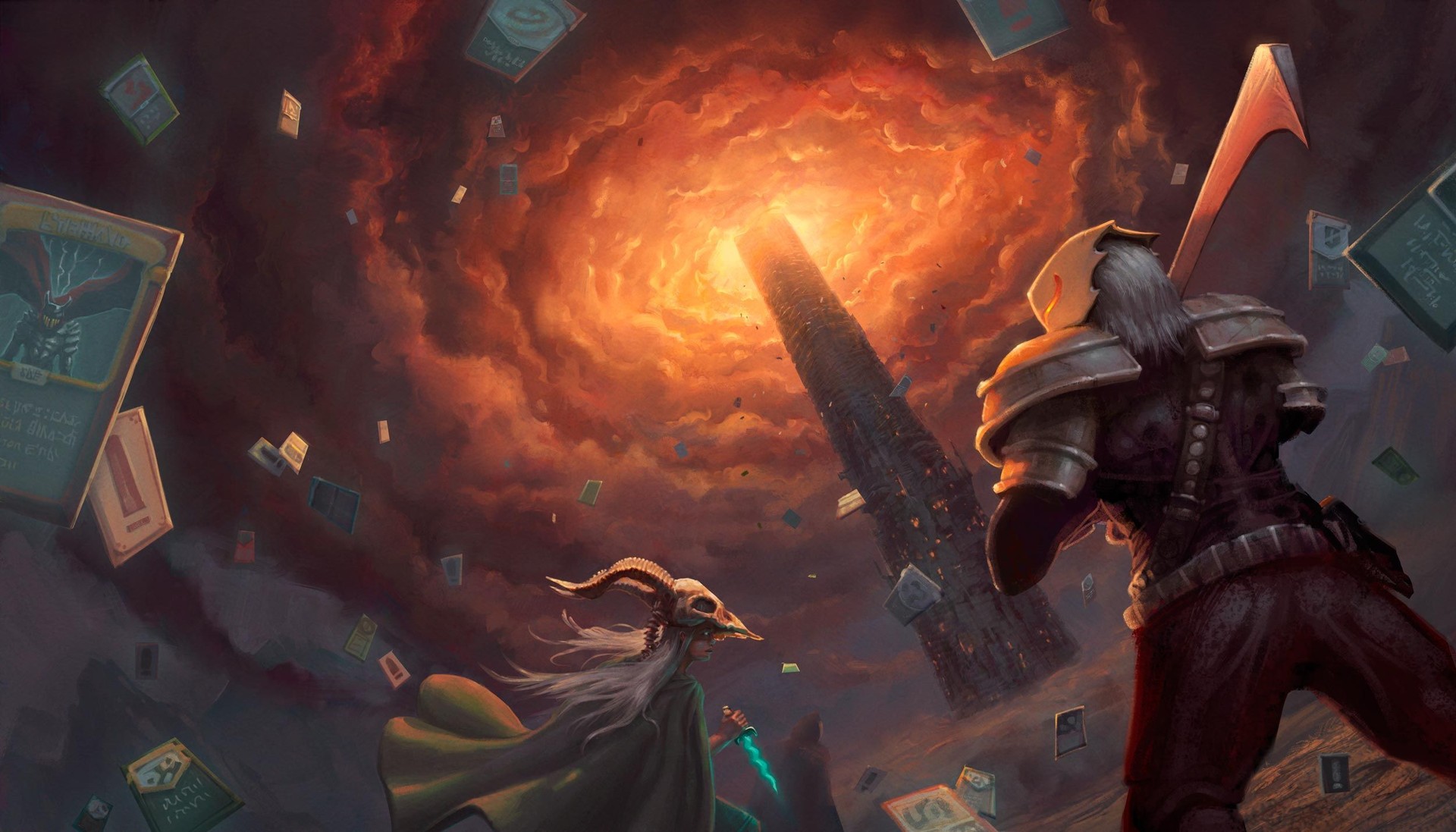
Roguelikes trace their name to the 1980s game Rogue, and today the term describes games that commonly pair procedural generation with permadeath — meaning runs restart from the beginning when the player dies.
- Definitions and core mechanics of roguelikes.
- How roguelites differ by offering persistent progression.
- Concrete examples of games often cited in the discussion.
- Why the two approaches appeal to different player habits and time constraints.
What a roguelike is
Roguelikes are usually classified as a subgenre of role-playing games. Typically, they feature procedurally generated levels, randomized item rewards, and permadeath so that death removes the character’s earned upgrades for that run. Historically, roguelikes were turn-based and used simple graphics, but modern titles sometimes mix real-time action and richer visuals while keeping the core loop intact.
Examples cited in recent discussion
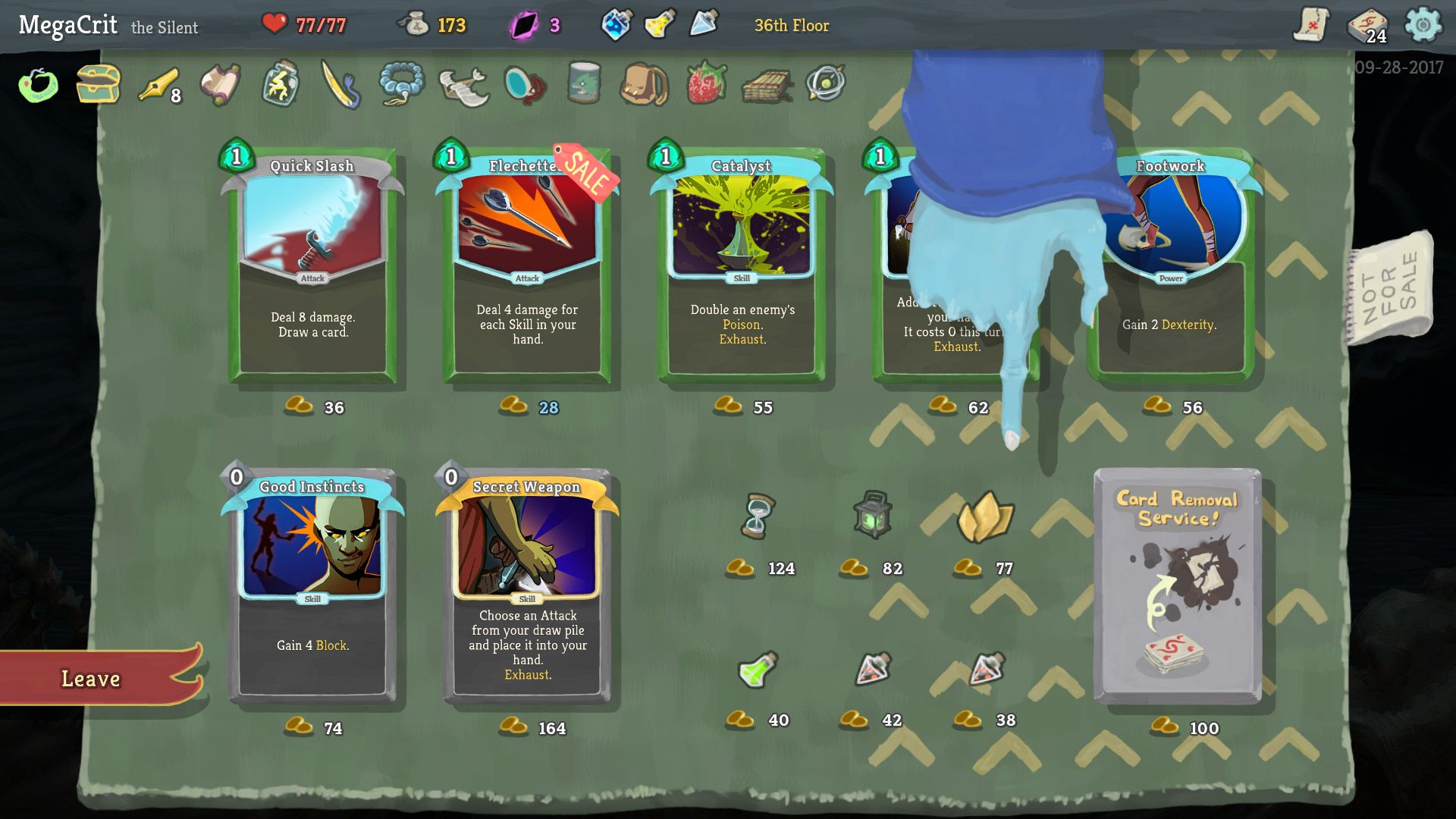
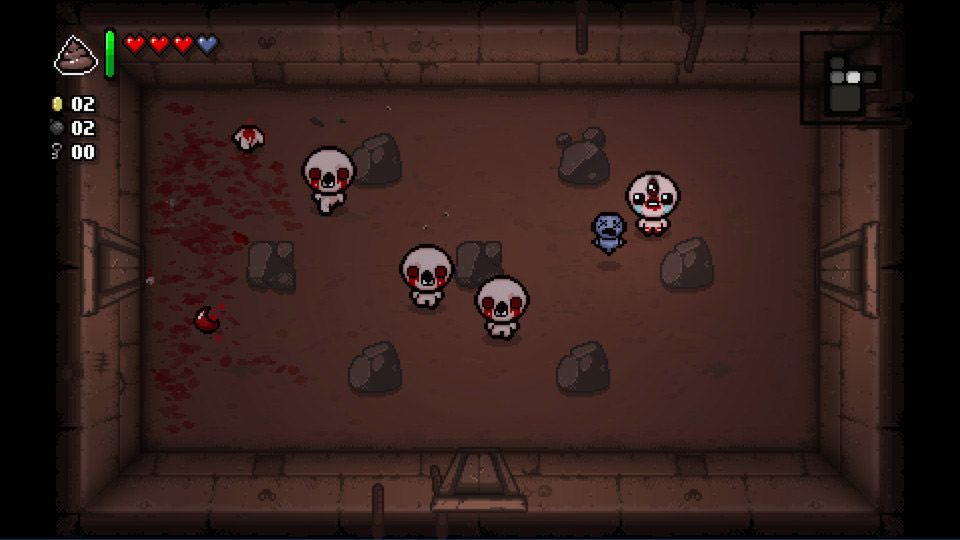
Several well-known titles are often used to illustrate the difference between strict roguelikes and more forgiving variants. For example, The Binding of Isaac originally launched in 2011 and uses randomized rooms and permanent loss of run-specific progress. Similarly, Slay the Spire reached a wide audience after 2019 and combines deck-building with run-based resets.
What a roguelite is
In contrast, roguelites keep some form of persistent progression between runs. Therefore, while each attempt still resets immediate run progress, players can unlock permanent upgrades, items, characters, or story elements that carry over. As a result, roguelites aim to offer a sense of cumulative progress even when individual runs fail.
Notable roguelite example
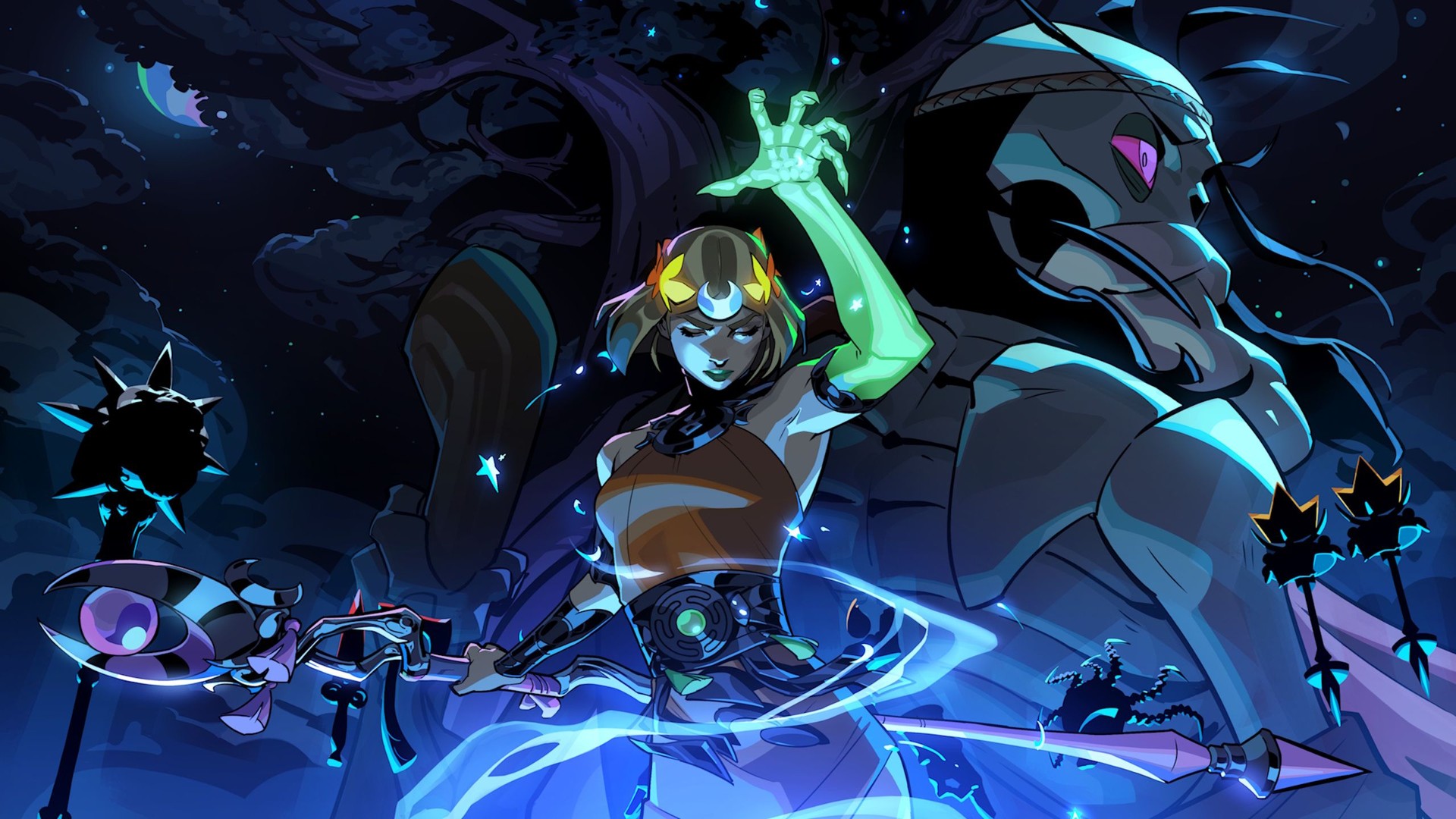
Hades, developed by Supergiant Games, is frequently cited as a roguelite example because it maintains unlocks and narrative progress between runs and presents a persistent hub area where characters and story beats are available outside individual runs. The game was widely released in 2020 and mixes repeatable run structure with long-term progression and character interactions.
Why players choose one style over the other
Some players prefer strict roguelikes because they value the challenge of learning and mastering content without permanent shortcuts. Conversely, other players choose roguelites because persistent rewards reduce the time needed to feel progression and to access late-game content. Moreover, players with limited play sessions often favor systems that preserve some advancement across sessions.
How the community and developers respond
Over the past decade, developers have increasingly blended elements from both approaches. Consequently, many modern games fall on a spectrum between strict roguelike mechanics and roguelite persistence. This trend reflects a factual industry pattern: designers experiment with retention, accessibility, and the balance between challenge and player time investment.
In short, the terms describe different design choices that produce distinct player experiences. Therefore, whether a player prefers a roguelike or a roguelite often comes down to how they value challenge, time, and persistent progress.