Why Superman’s Complicated Relationship with the U.S. Government Is More Relevant Than Ever
Superman’s Complex Ties with the U.S. Government Keep Evolving
Superman’s relationship with America’s government has never been straightforward. Over the years, he’s been seen as everything from the nation’s loyal attack dog to a public enemy, and now, in James Gunn’s 2025 reboot, that dynamic gets even more tangled.
- Superman’s shifting role in American politics and culture
- How past comics and films portrayed his ties to U.S. authority
- James Gunn’s fresh take on Superman’s independence from government control
- The influence of characters like Amanda Waller on Superman’s story
- Upcoming storylines hinting at continued tensions in the DC Universe
A Hero Torn Between Duty and Independence
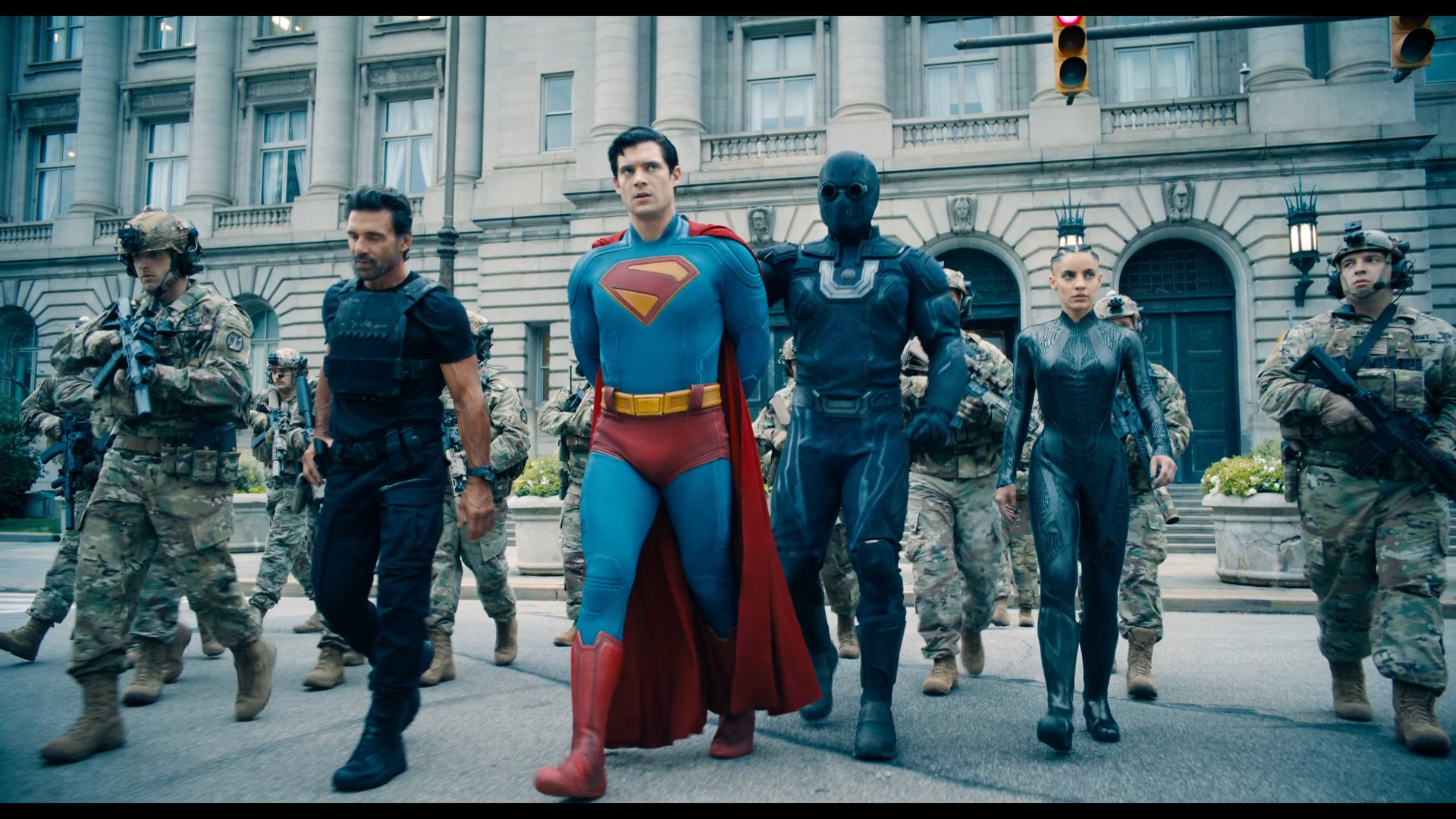
In the new Superman movie by James Gunn, Clark Kent (played by David Corenswet) faces tough questions from Lois Lane about his involvement in an international conflict between Boravia and Jarhanpur. Lois warns, “You seemingly acting as a representative of the United States will cause more problems around the world.” Clark fires back, “I wasn’t representing anybody except for me.” This perfectly sums up Gunn’s vision of Superman—not as a straightforward defender of “truth, justice, and the American way,” but as a more complex figure who sometimes acts against government wishes.
The Evolution of Superman’s Political Role
Superman’s connection to America has always been a balancing act. Although he’s an alien, raised in Kansas, he’s become an American icon. You can find him on U.S. postage stamps and commemorative statues in places like Metropolis, Illinois, and Cleveland, the city where he was created. His story and values have shifted alongside America’s political climate.
Originally debuting in 1938, Superman quickly became a symbol during World War II, fighting Nazis and promoting war bonds. The phrase “the American way” was added to his motto alongside “truth and justice.” Yet, even early on, his creators Jerry Siegel and Joe Shuster showed him challenging authority figures, from corrupt landlords to city officials.
During the Cold War and under the Comics Code Authority, Superman’s stories became less political and more fantastical, focusing on alien threats rather than real-world issues. The 1950s Adventures of Superman TV series reflects this shift, moving from crime-fighting to more cartoonish villains. However, after Watergate, Superman’s stories regained political edge, as seen when he defies both the U.S. and Soviet Union in Superman IV: The Quest for Peace.
Alternate Futures and Political What-Ifs
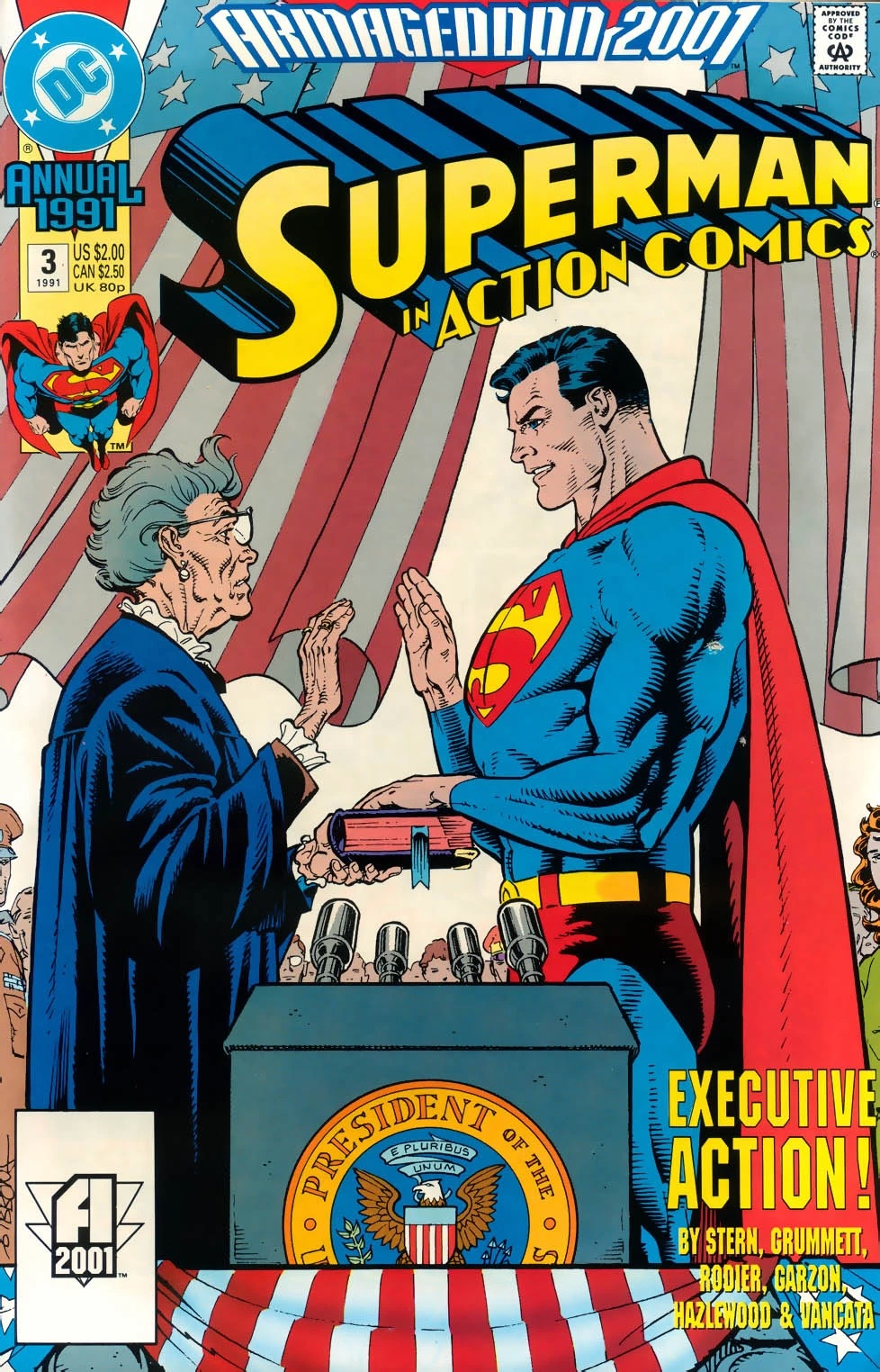
Comic books have explored Superman’s political identity in creative ways. In the 1991 Action Comics Annual, Superman even runs for president in an alternate future, requiring a retcon that he was born on U.S. soil from an artificial womb. Mark Millar’s 2003 miniseries Superman: Red Son imagines what would happen if Superman landed in Ukraine and became a Soviet agent, flipping his American symbolism on its head.
In a 2011 comic arc, Superman’s intervention in Iran leads him to renounce his U.S. citizenship to avoid being seen as a government tool. This echoes themes in Gunn’s movie, where Superman’s actions against Boravia’s invasion of Jarhanpur reveal complex political motives, manipulated by billionaire Lex Luthor.
Government Control vs. Superman’s Morality
Superman is often called “the Big Blue Boy Scout” for his wholesome image and respect for authority. Yet, his portrayals vary. In Frank Miller’s 1986 miniseries The Dark Knight Returns, he acts as a government pawn, sent to stop Batman. Similarly, in the post-credits scene of Black Adam, government agent Amanda Waller orders Superman to intimidate an anti-hero.
Waller, a DC Comics character introduced in 1986, represents the darker side of U.S. government ethics. In the animated series My Adventures with Superman, she tortures and sends dangerous villains after Superman, showing a more hostile stance toward metahumans. Gunn’s 2021 film The Suicide Squad critiques America’s history of backing dictators in Latin America, with Waller prioritizing cover-ups over justice.
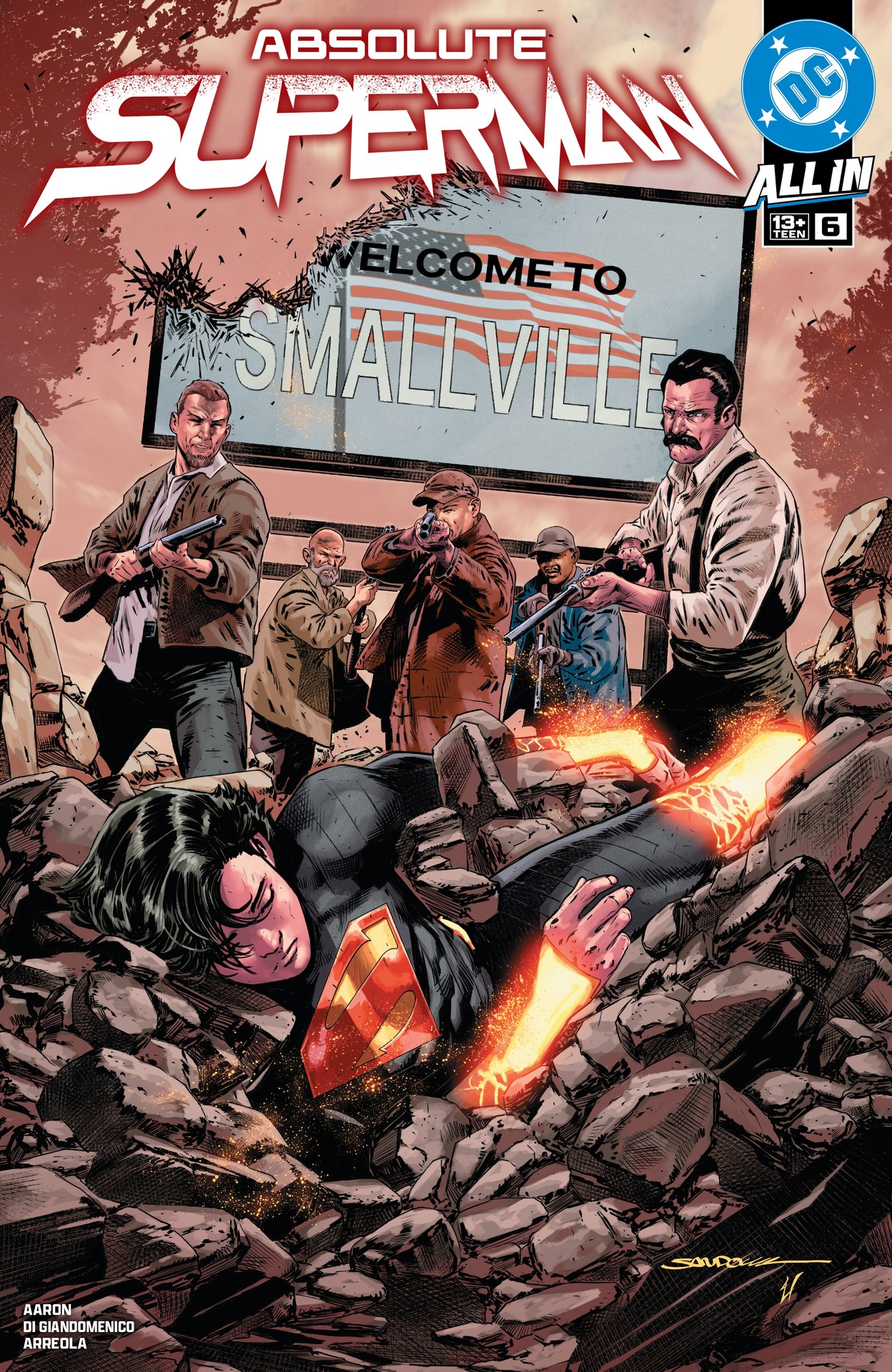
In Gunn’s Superman, the hero’s refusal to blindly follow U.S. government orders sparks controversy, with some accusing the film of being too “woke.” Meanwhile, the series My Adventures with Superman highlights characters standing up against immoral government commands, and the ongoing Absolute Superman comics reimagine Clark as a teen forced into statelessness, fleeing Homeland Security raids.
What’s Next for Superman and U.S. Government Relations?
By the end of Gunn’s Superman, Clark has inspired other heroes to act independently, a development that worries General Rick Flag Sr. (Frank Grillo). With Flag returning in Peacemaker season 2 and Lex Luthor imprisoned in Waller’s Belle Reve facility, tensions between Superman and the U.S. government are far from over.
This new Superman is a true idealist, committed to fighting for truth and justice—even when that means going against the American way.