Why Superman’s Controversial Kill in the New DC Movie Is Dividing Fans All Over Again
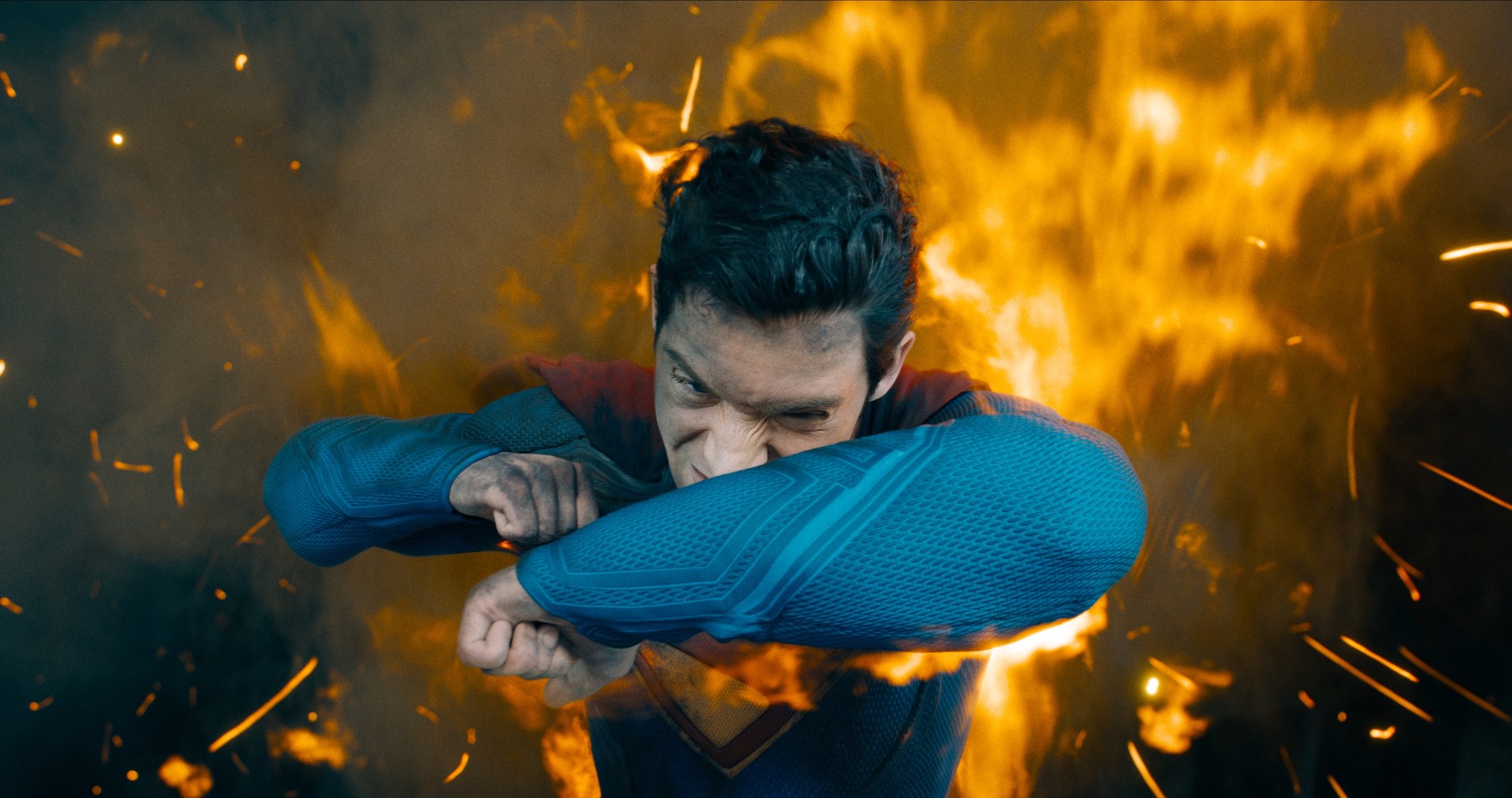
Superman’s Controversial Kill Sparks New Debates in DC Universe
Superman’s decision to kill has once again ignited debates among fans and critics, this time surrounding James Gunn’s recent reboot following Zack Snyder’s divisive 2013 film *Man of Steel*. The controversy isn’t new—*Man of Steel* famously shocked audiences when Henry Cavill’s Superman killed General Zod to save innocent lives, a move that challenged the traditional no-kill ethos of the iconic hero.
- The ongoing debate about Superman’s morality and the choice to kill
- Comparing Zack Snyder’s and James Gunn’s takes on Superman’s lethal actions
- How these decisions affect the character’s image and fan reception
The Legacy of Zack Snyder’s Man of Steel
Back in 2013, Zack Snyder rebooted Superman with a darker, more conflicted take on the hero. The film focused heavily on Superman’s inner turmoil, grief, and self-doubt. But the moment that sparked endless arguments was when Superman killed Michael Shannon’s General Zod during their epic Metropolis battle. This act was seen as a “sin” by many fans because Superman traditionally doesn’t kill. The scene ended with Superman’s anguished scream, showing his immediate remorse.
This decision polarized audiences and critics alike. Some appreciated the realism and gravity of the situation, while others felt it betrayed the character’s core values. The debate even caught the attention of comics legend Grant Morrison, who expressed strong opposition to Superman killing in a 2013 interview with USA Today:
“I’m not sure about the killing thing […] I don’t know about you, but the last moral decision I made didn’t have anything to do with killing people. And I don’t think many of us ever have to make the decision whether or not to kill. In fact, the more you think about it, unless you’re in one of the Armed Forces, killing is illegal and immoral. Why would we want our superheroes to do that?”
Morrison is also the author of *All-Star Superman*, a highly influential comic that James Gunn cited as an inspiration for his film.
James Gunn’s Superman and the New Killing Controversy
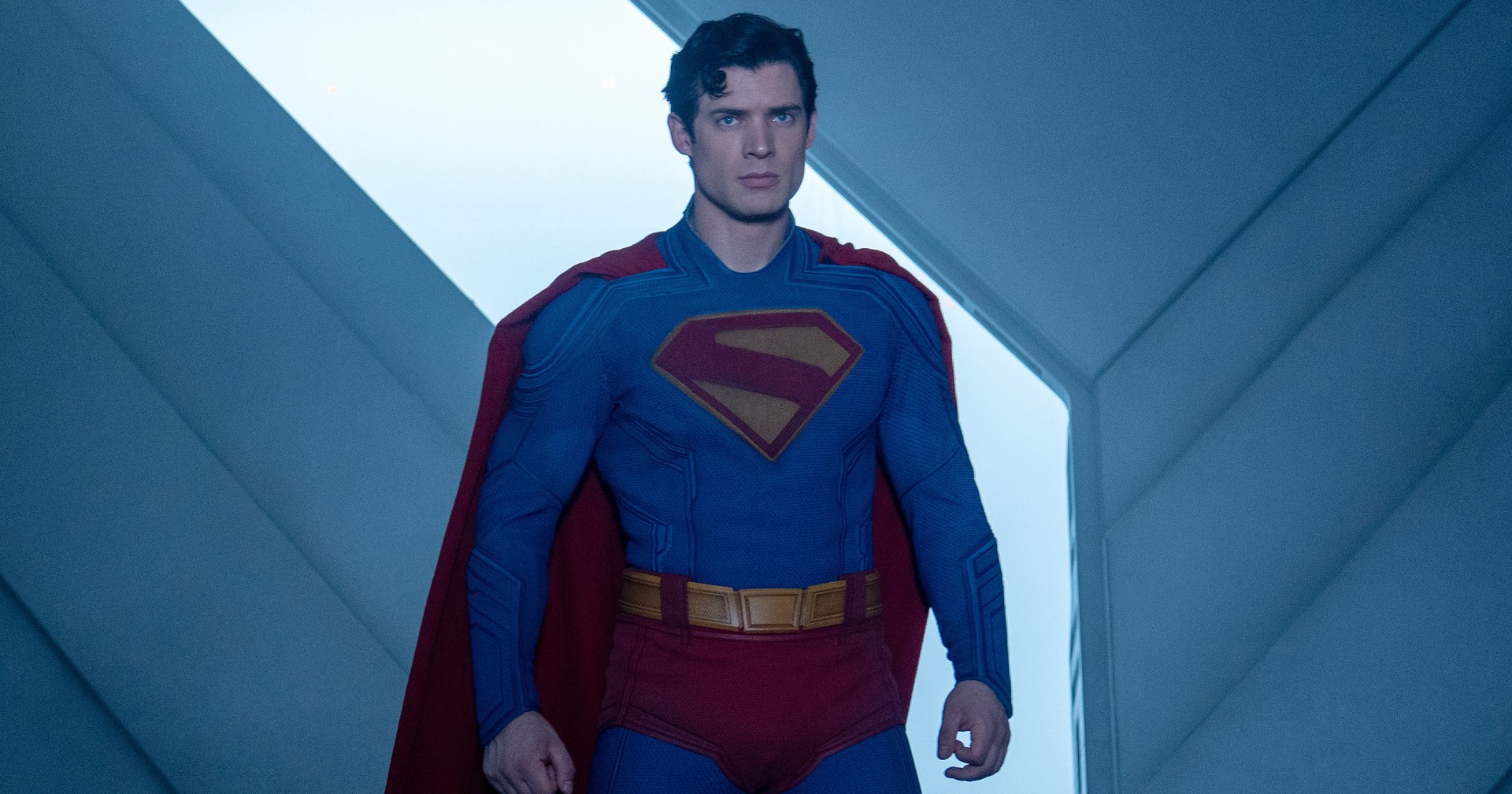
Fast forward to 2025, and James Gunn’s rebooted Superman also features a killing moment—this time involving Superman’s clone, Ultraman. During the film’s climax, Superman kills Ultraman by letting him fall into a black hole, a stark contrast to the remorseful killing in *Man of Steel*. Unlike Cavill’s Superman, David Corenswet’s Superman shows little hesitation or emotional struggle over the act.
Lex Luthor’s taunt “brain beats brawn” is echoed back by Superman before the fight, but the hero’s actions suggest his heart isn’t in it when it comes to sparing Ultraman. There’s no attempt to rescue or redeem the clone, who, unlike Zod, is portrayed as a pawn with no free will. Instead, Superman effectively gives up on him, tossing Ultraman into a fatal fate without much thought.
This raises questions about Gunn’s vision for Superman, who he described as a symbol of kindness—a trait he says “we have lost” in society, according to an interview with *The Sunday Times*. Throughout the film, Superman shows empathy to vulnerable beings, even rescuing a squirrel during an action sequence, but that kindness doesn’t extend to Ultraman.
James Gunn has openly stated he isn’t a purist about Superman’s no-kill rule. In a promotional video for Wired, he said:
“I’m not a purist in that respect. I think that if, for instance, he had to kill to protect somebody’s life, he would probably do that, even though that would be hard for him.”
Yet, in the movie, the “that would be hard for him” part doesn’t quite land. The decision to kill Ultraman feels quick and pragmatic rather than emotionally difficult.
What This Means for Superman’s Future
Comic book movies often bend the rules around death, so it’s possible Ultraman might return in future films. However, Gunn’s comment on Threads —
https://www.threads.com/@jamesgunn/post/DK3UcvERx7M
— where he states “In the DCU if you die, you’re dead,” suggests a more permanent approach. The film offers no clear indication that Ultraman survives the black hole, and Superman’s lack of concern about the clone’s fate contrasts sharply with the empathy traditionally associated with the character.
This ongoing tension highlights a larger question: should Superman stick to his classic no-kill code, or is killing sometimes justified to protect the innocent? Zack Snyder’s *Man of Steel* and Gunn’s reboot both push the boundaries, but in very different emotional ways.
Fans and critics will surely keep debating what killing means for Superman’s legacy and whether it fits the hopeful symbol he’s meant to be.
For more on the original reactions to *Man of Steel*, check out these archived discussions:
https://www.metacritic.com/movie/man-of-steel/critic-reviews/
https://www.vulture.com/2013/06/hollywood-blockbusters-cant-stop-evoking-911.html
https://gizmodo.com/why-letting-superman-kill-kills-superman-1440140313
And for some background on Batman’s no-kill rule and its impact on DC films, see this:
https://www.businessinsider.com/zack-snyder-old-interview-batman-prison-rape-2016-5?op=1