Why The Last of Us Part 2’s Controversial Story Still Deserves Your Attention
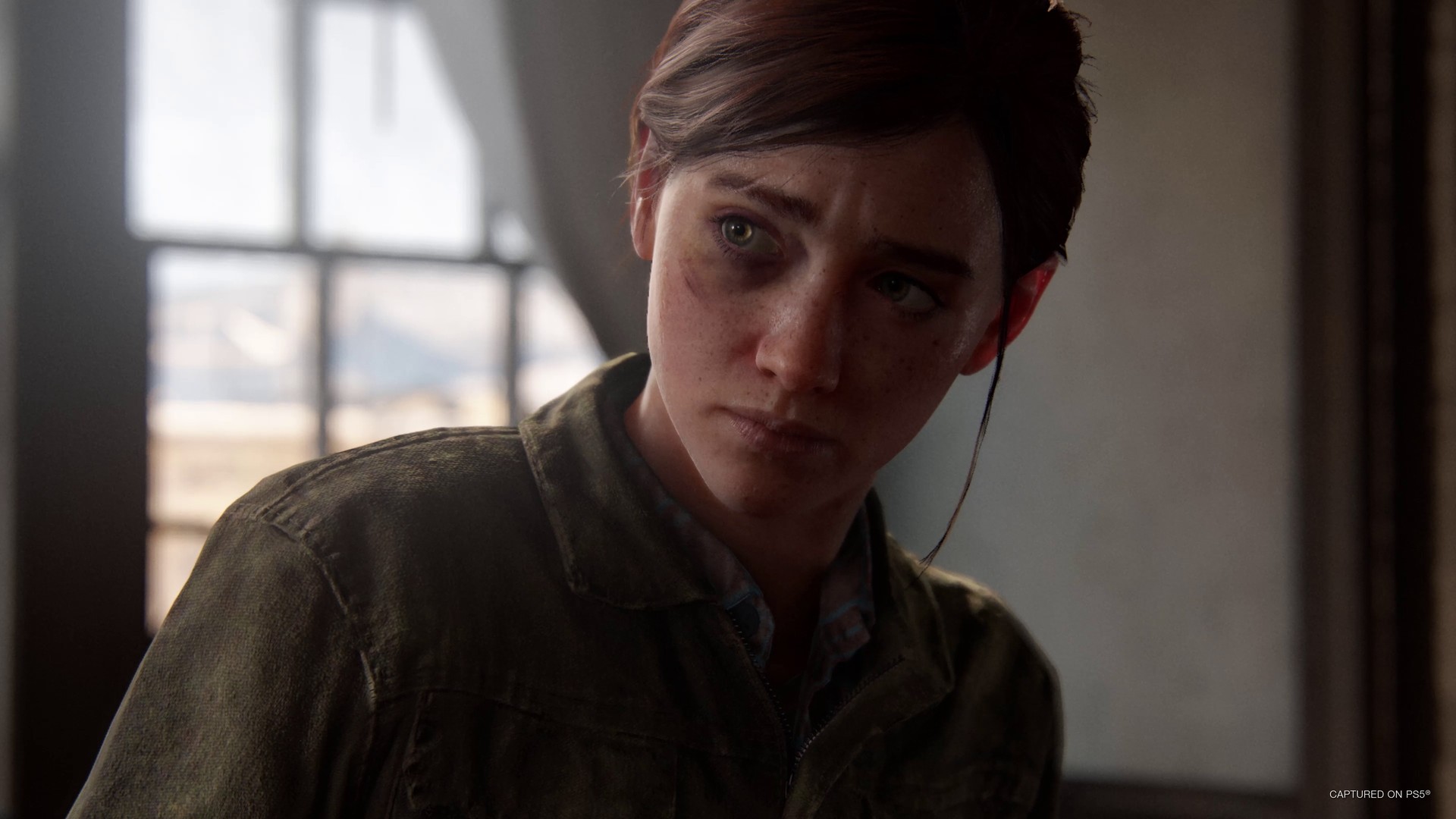
The Last of Us Part 2’s Story Stands Strong After Five Years
The Last of Us Part 2 remains a game that sparks debate, even half a decade after its release. Naughty Dog’s recent free update introduced a new mode presenting the story in chronological order, aiming to make the narrative easier to follow. But does this change really improve the experience? Let’s break down why the original story still holds its ground.
- Overview of The Last of Us Part 2’s controversial story
- New chronological mode and its reception
- Exploration of revenge and moral ambiguity
- How the HBO adaptation handles the story
- Why the original narrative is still powerful
Mixed Reactions to a Bold Story
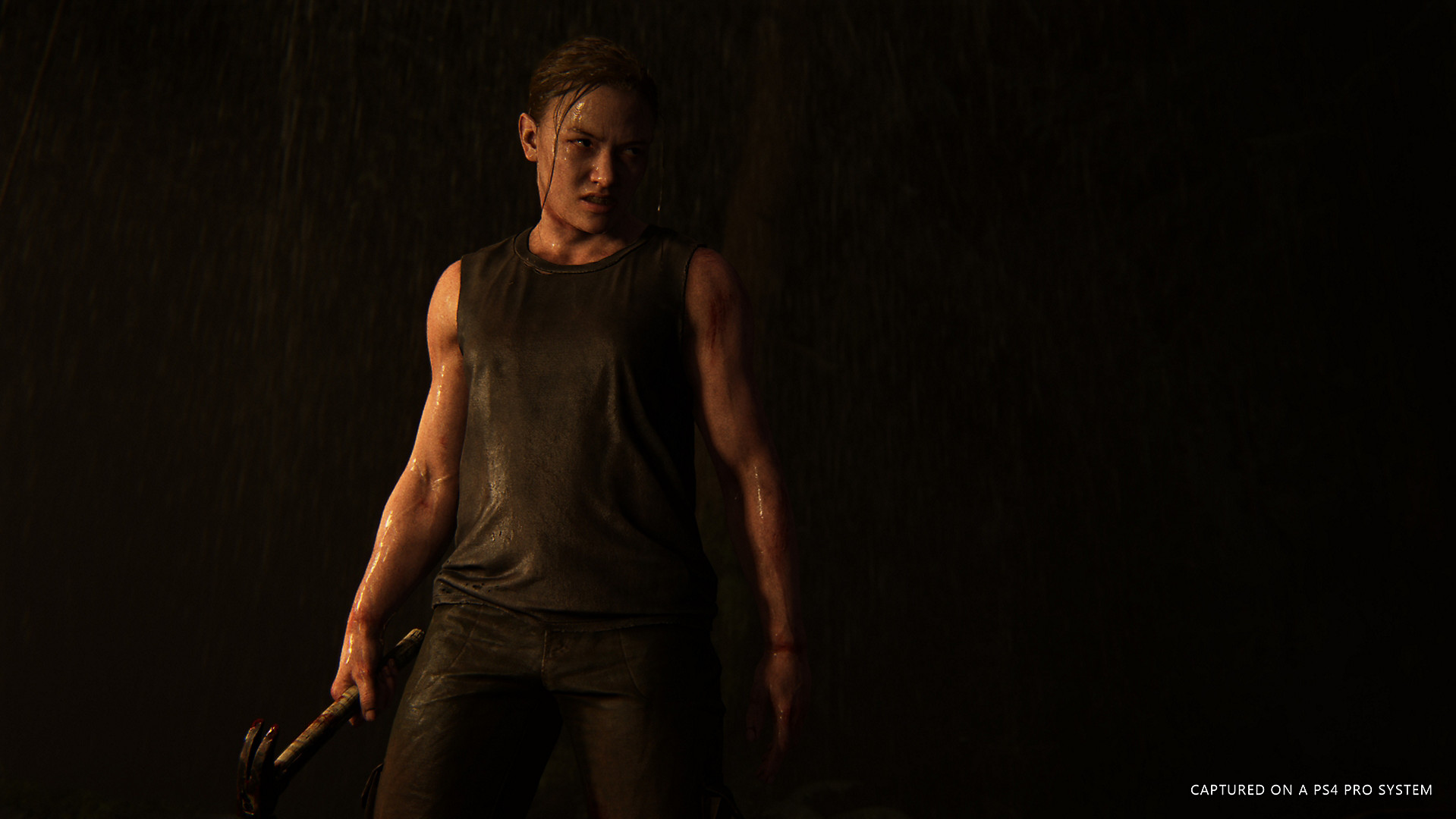
The Last of Us Part 2 was never going to please everyone. From the start, the game faced criticism — especially about having more human enemies than infected and its non-linear storytelling. Plus, Joel’s brutal death early in the game stirred up strong emotions among fans of the first installment. Some players felt misled by Naughty Dog’s marketing, which kept Abby’s role under wraps and gave a different impression of Joel’s story.
The developer didn’t shy away from these challenges. In fact, they released a remastered version packed with new modes like “No Return,” a roguelike survival experience, plus extra content including lost levels and behind-the-scenes features. This effort aimed to deepen the story and offer fresh ways to engage with it.
Chronological Mode: A New Way to Experience the Story
The free update adding a chronological mode came as a surprise to many and was met with mixed feelings. Some players welcomed the chance to see the story unfold linearly, while others felt it was an attempt to smooth over the backlash the game originally received. You can check out the official announcement here:
Experience The Last of Us Part II in a whole new way with Chronological mode, a rearranged version of the game that lets you play the story in chronological order. 🕙
Available now with The Last of Us Part II Remastered via Patch v2.1.0 (PS5)*† and Patch v1.5 (PC)*. Learn more… pic.twitter.com/wVoMSUo5SW
— Naughty Dog (@Naughty_Dog) July 8, 2025
Revenge and Moral Complexity at the Core
At its heart, The Last of Us Part 2 explores moral ambiguity. Just like the first game, it challenges players to navigate a world where right and wrong aren’t clear-cut. Joel’s choice to kill the surgeon trying to create a cure — who also happens to be Abby’s father — sets off a cycle of revenge that the game forces you to live through from both Abby’s and Ellie’s perspectives.
This dual narrative isn’t just a storytelling gimmick; it’s designed to make you feel the weight of revenge and understand that everyone involved is trying to protect their loved ones. The game’s ending emphasizes how revenge only leads to more pain and loss, something Ellie painfully experiences firsthand.
HBO’s The Last of Us: A Different Take
The HBO adaptation of The Last of Us took some liberties with the source material, especially in the first season, but it was widely praised. However, as the series moves into adapting Part 2’s story in its second season, it seems to downplay the theme of revenge, focusing more on parenthood instead. While parenthood is part of the original story, revenge is really the driving force behind the game’s narrative.
Why The Last of Us Part 2’s Story Works as It Is
Some might see the new modes and the TV series changes as attempts to rewrite or soften the original story. But the truth is, The Last of Us Part 2’s narrative is coherent and powerful exactly as Naughty Dog and Neil Druckmann intended. Playing as Abby after Joel’s death is meant to challenge you emotionally and make you question your own judgments.
The story reminds us there are no simple heroes or villains. It’s about breaking the cycle of hate and learning to move forward, even when it costs everything — like Ellie losing her family, her future, and part of herself.
After five years, no update or adaptation can undo the impact Part 2 had. It might not be for everyone, and maybe that’s okay.