Why Video Games Are Going Burtonlike — Stop‑Motion Goth Aesthetics Are Having a Moment
Several recent games explicitly cite Tim Burton and stop-motion animation as visual influences, and a number of releases share similar gothic, puppet-like aesthetics. This trend appears across indie and narrative-driven titles, with developers referencing stop-motion studios and Burton-associated works as inspiration.
- Which games use the aesthetic and how they reference Burton and stop-motion.
- Developer quotes and documented influences.
- Common visual elements and a short list of recent and upcoming titles.
Which games show the look
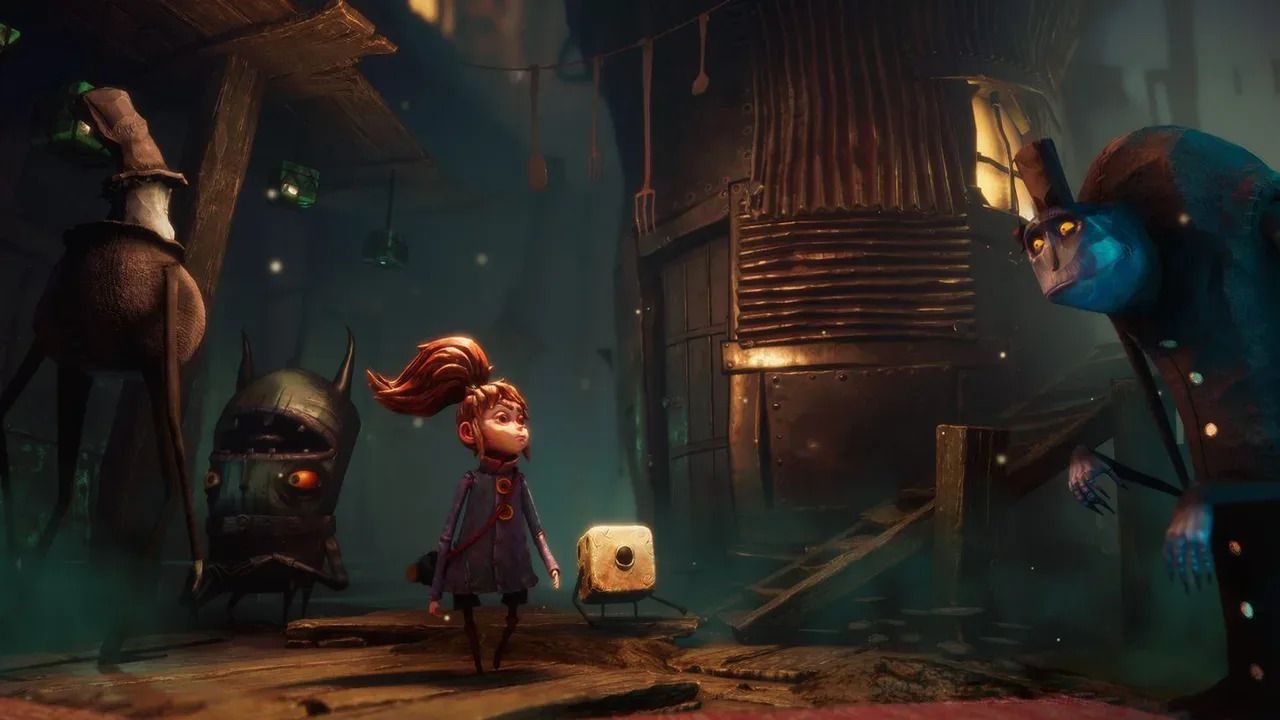
Lost in Random (2021) is one of the earlier high-profile examples. In interviews, co-game director Olov Redmalm said the team was taking inspiration “from Laika films to even Tim Burton movies.” The comment appeared during press coverage ahead of the game’s release; the original interview ran on Gamespot.
https://www.gamespot.com/articles/how-lost-in-random-injects-a-board-game-twist-into/1100-6479597/
Harold Halibut released in 2024 and uses a clay-crafted visual style with a protagonist rendered in a stop-motion look. The title is narrative-focused and presents its characters and sets as tactile models.
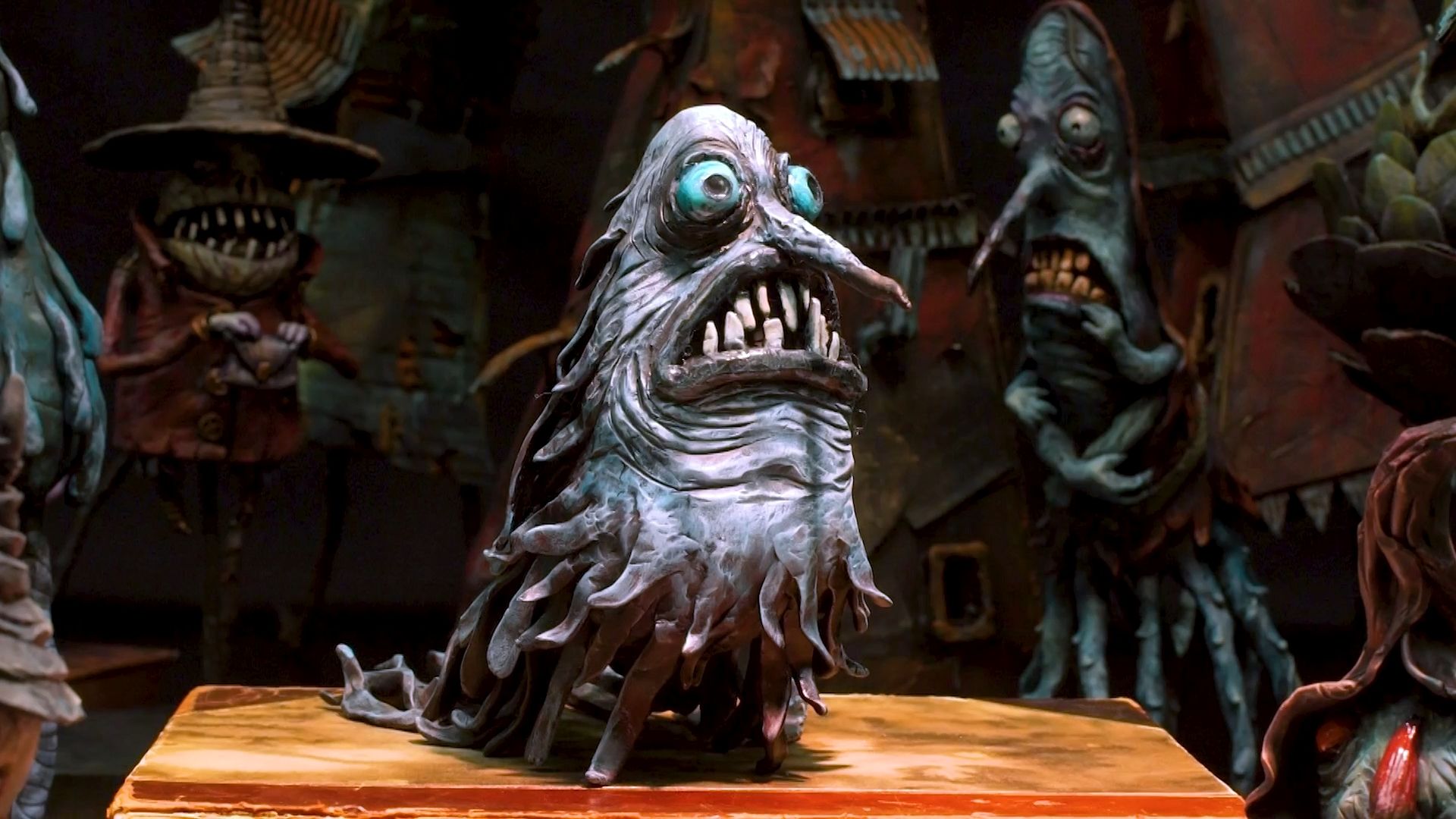
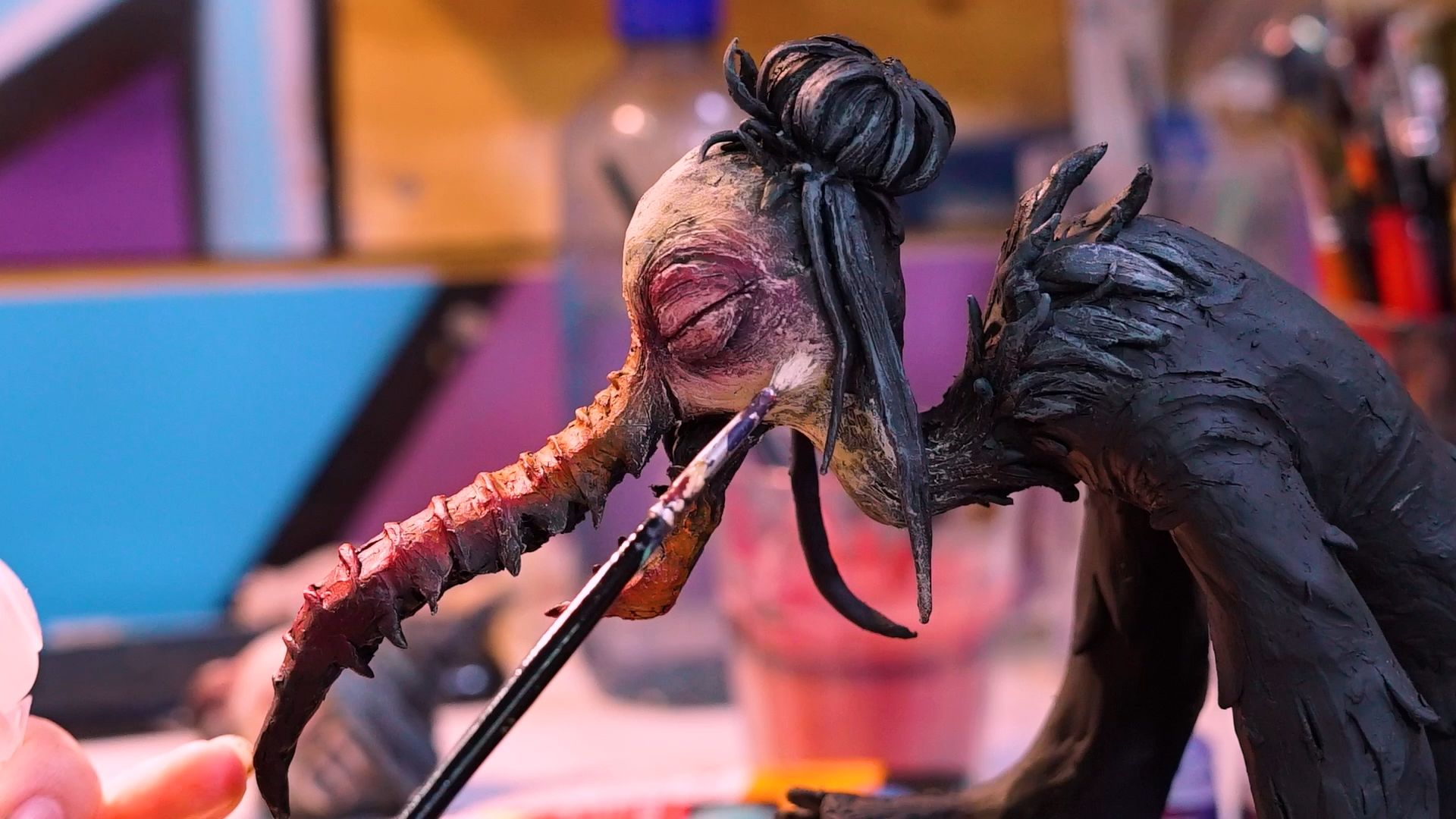
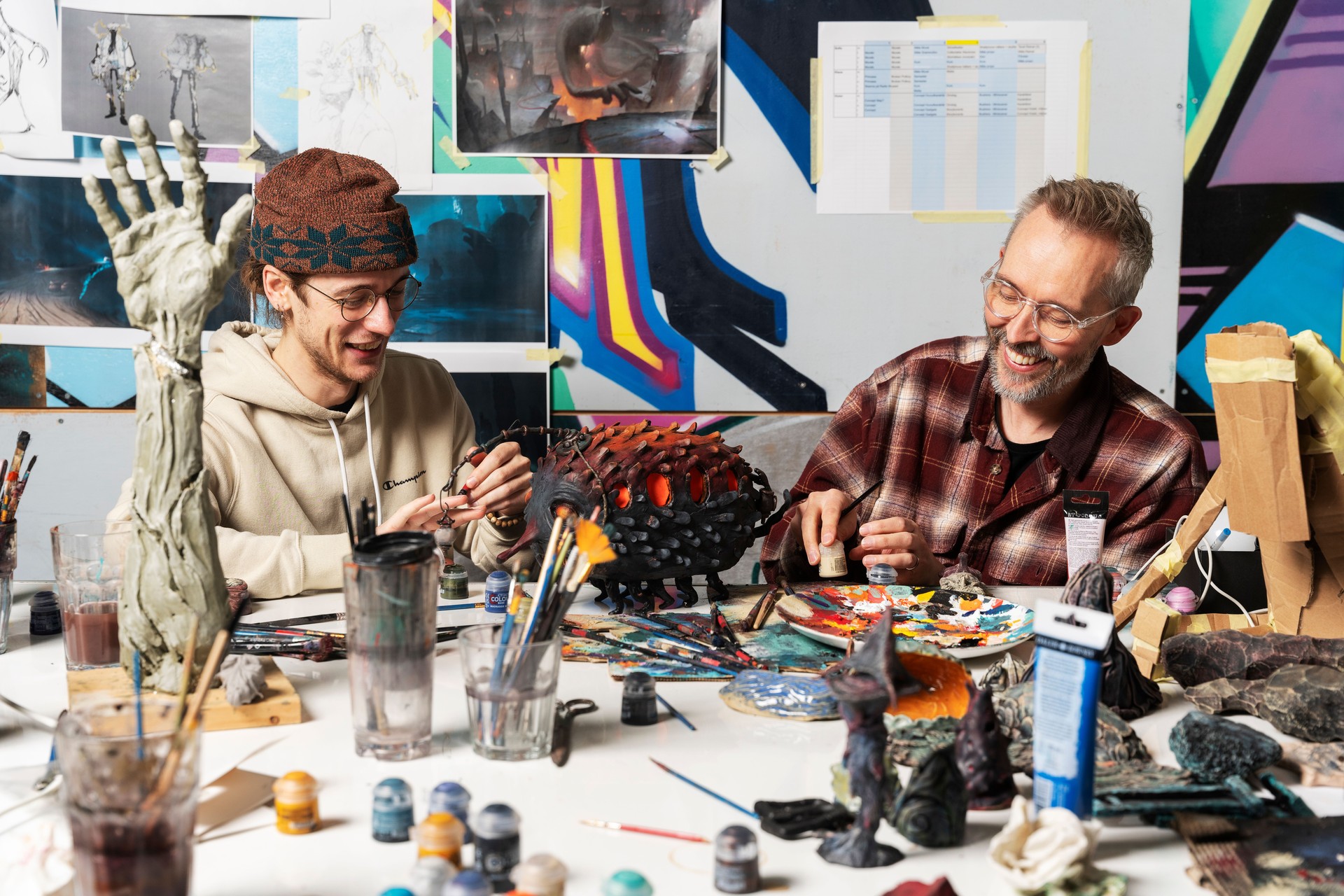
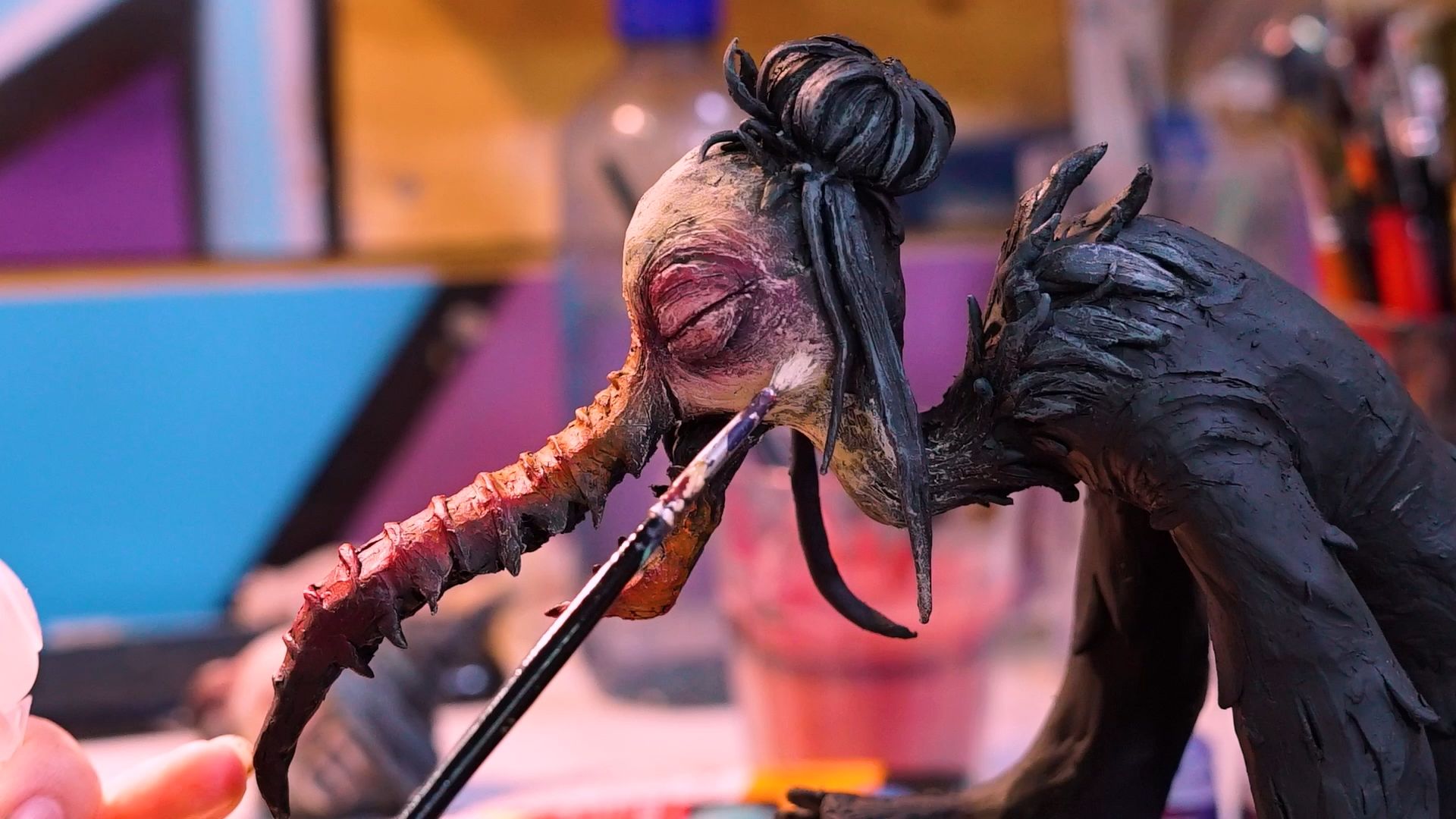
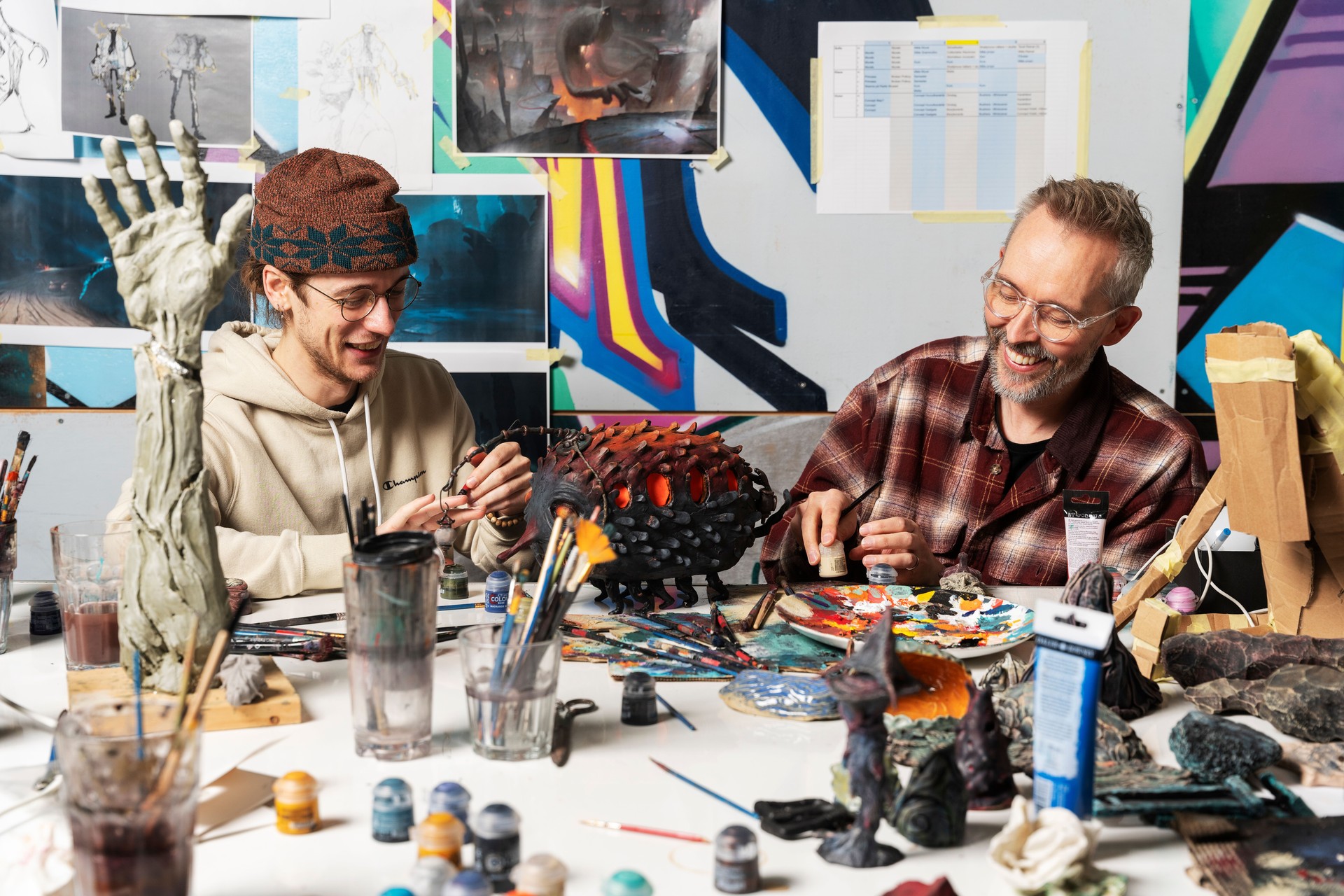
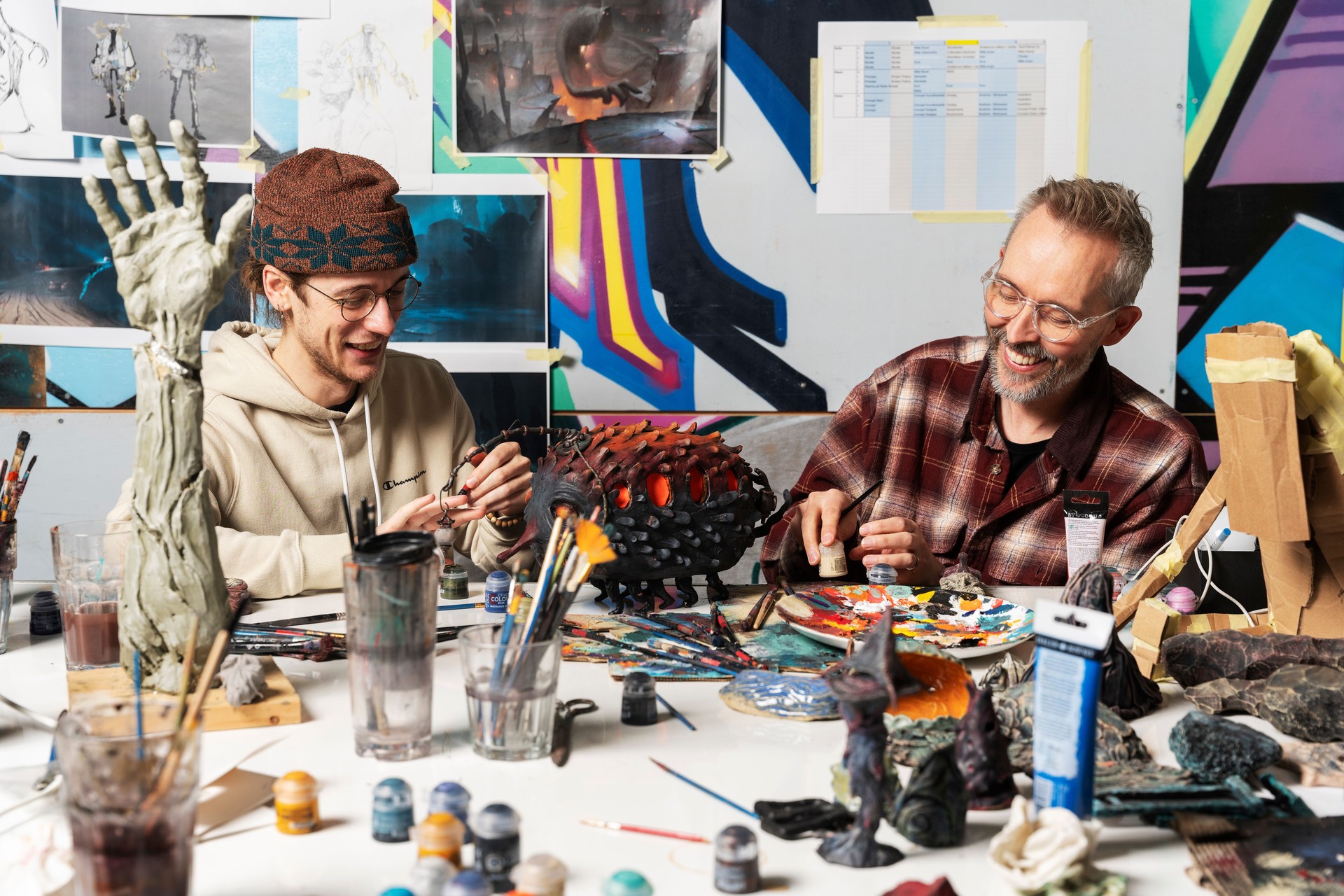
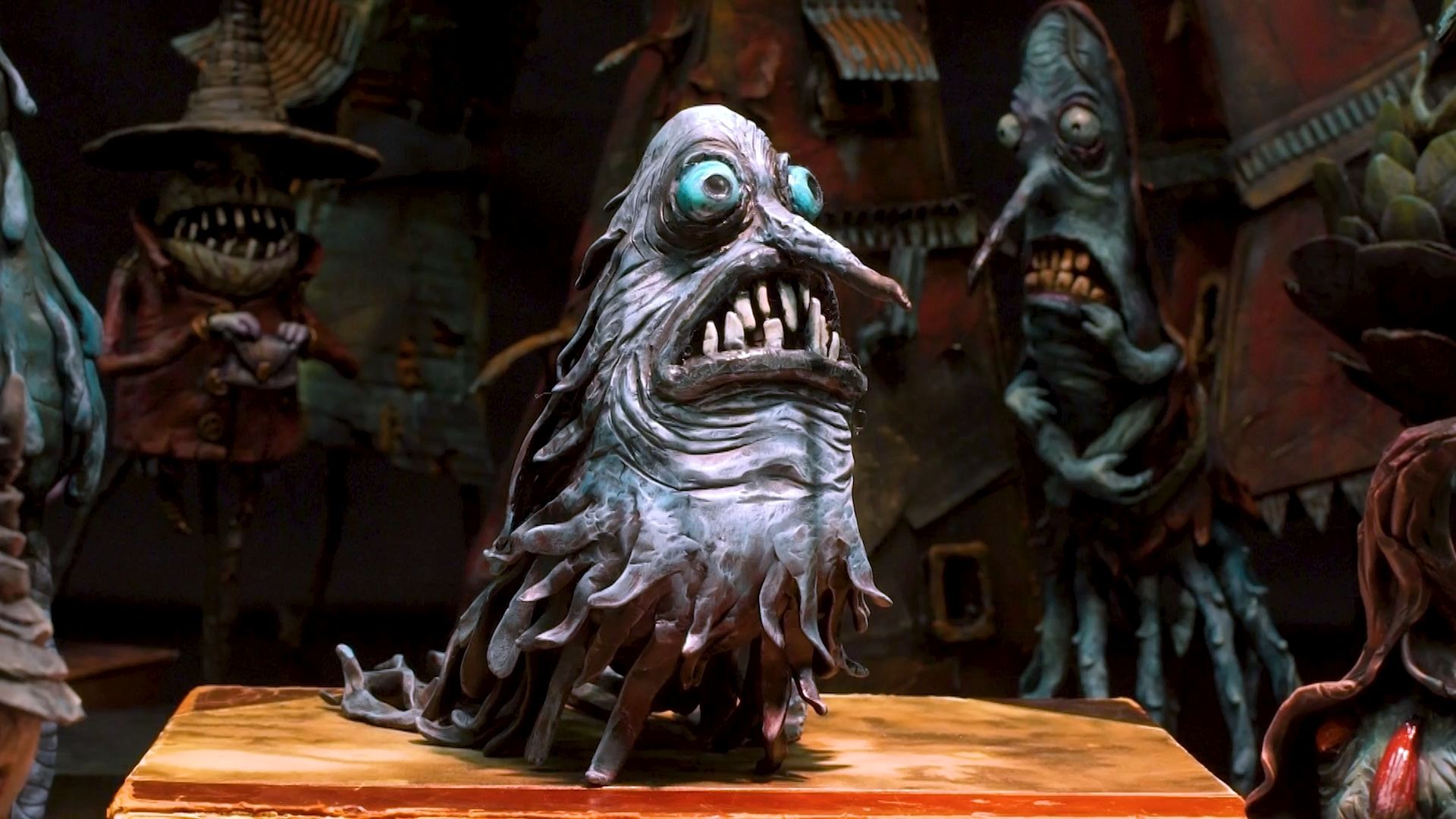
The Midnight Walk released earlier this year and uses sculpted puppets and stop-motion animation techniques. The developer MoonHood Studios has contributors who previously worked on Lost in Random, and the studio has named stop-motion works as visual reference points.
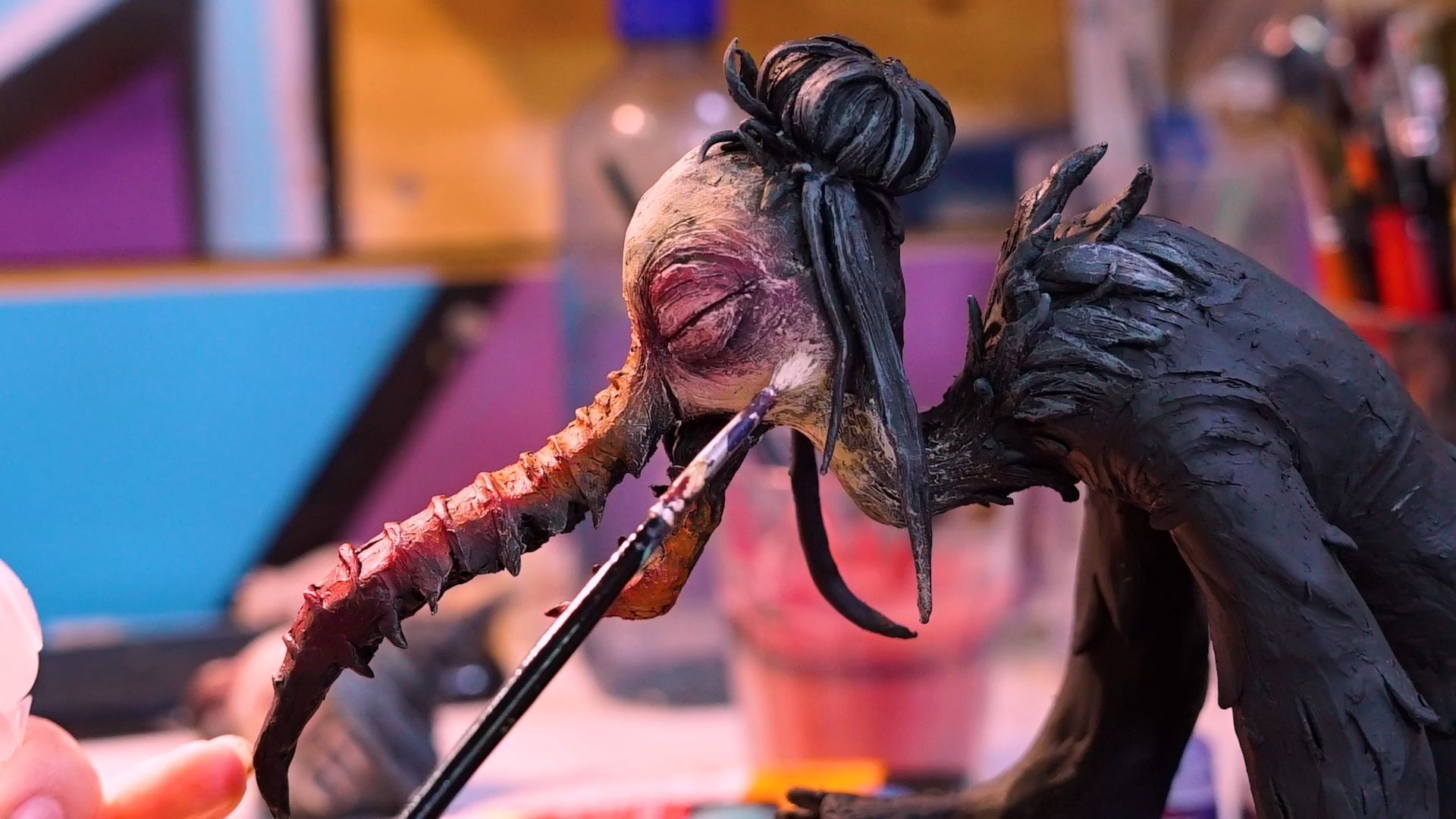
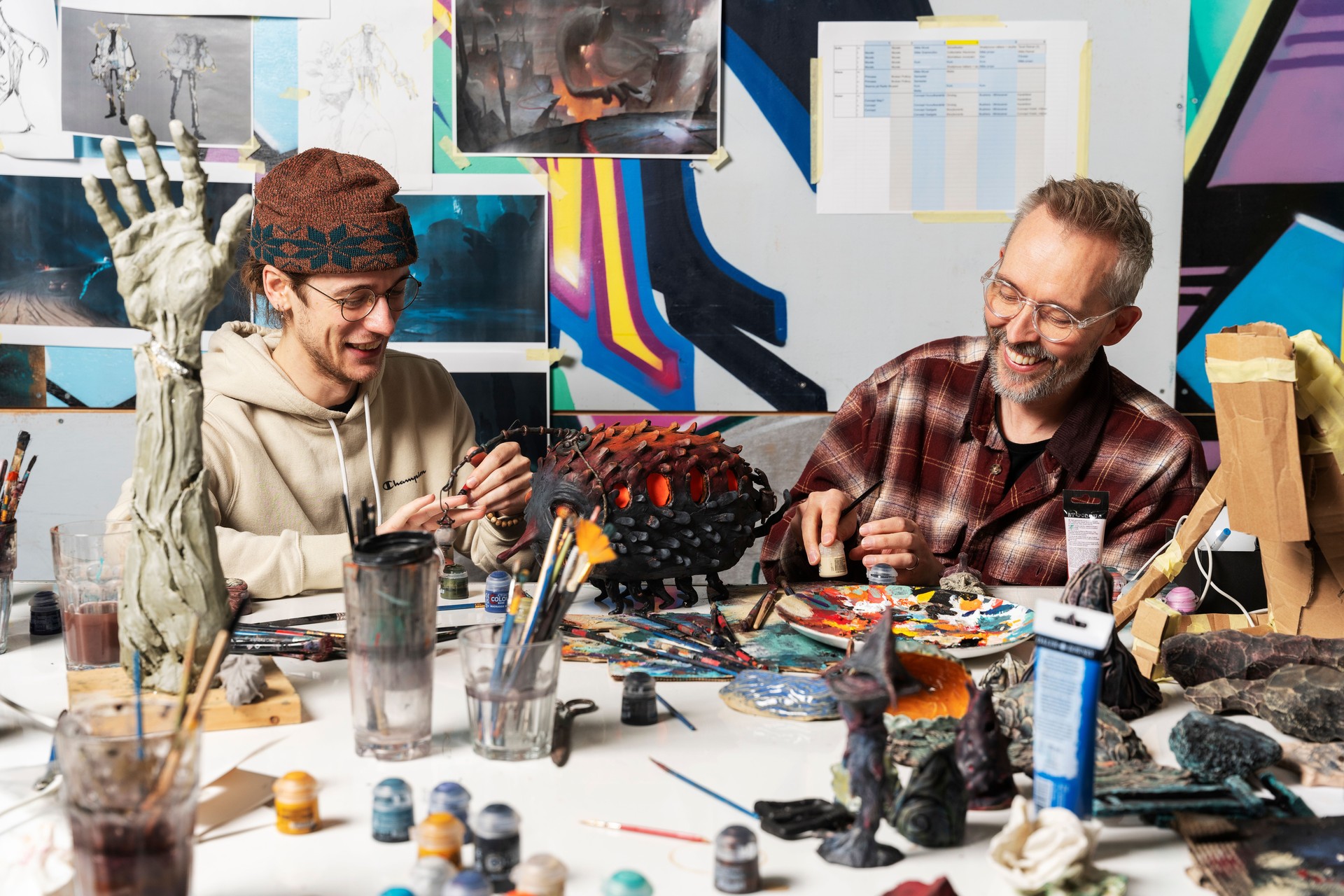
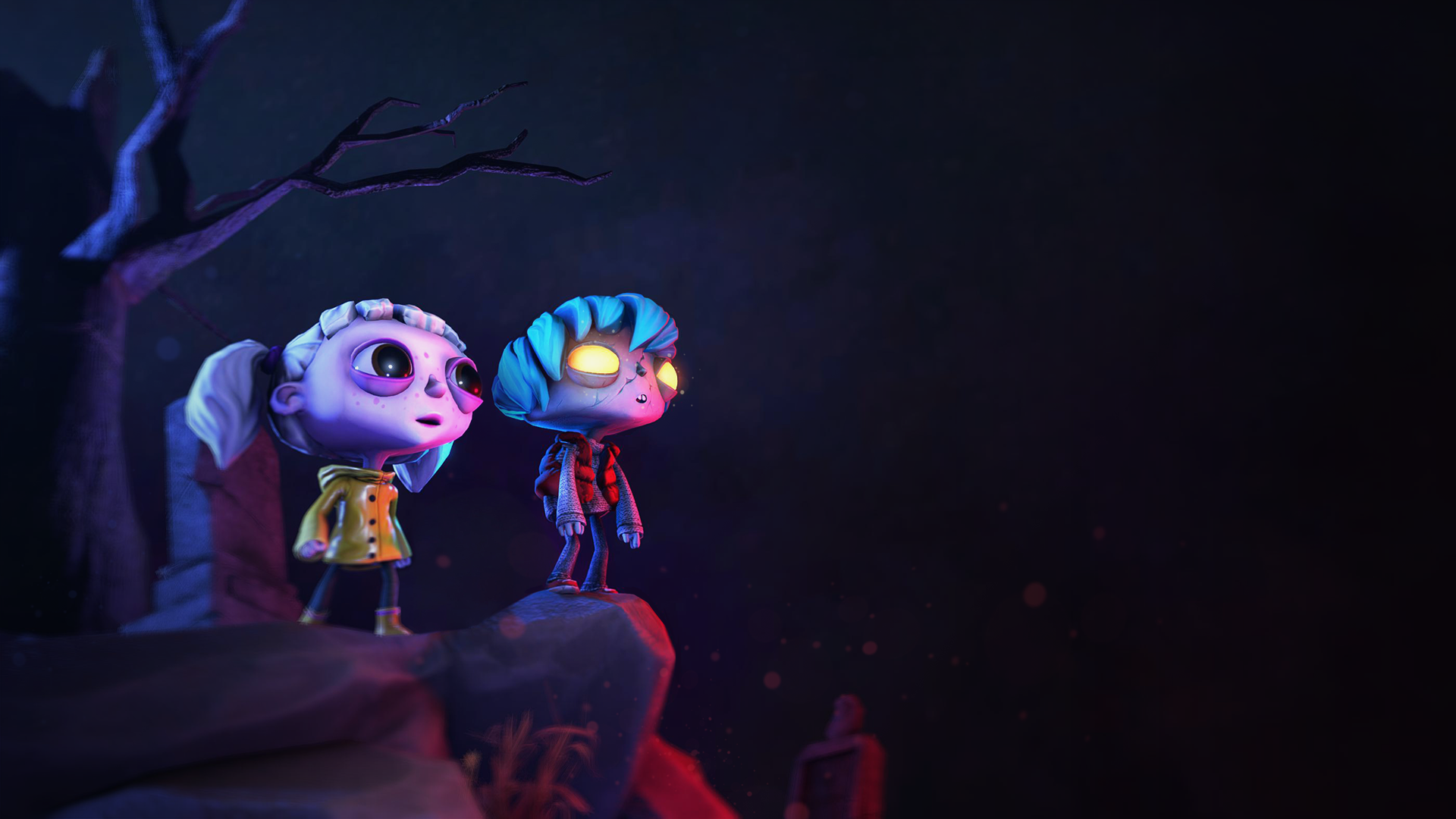
Gloomy Eyes is scheduled for release this fall. The game follows two characters — a curious girl and a zombie companion — through diorama-like levels. Official materials for the title reference Tim Burton and stop-motion aesthetics as points of comparison.
Common elements and influences
Across these titles, several concrete visual and design elements repeat. For example:
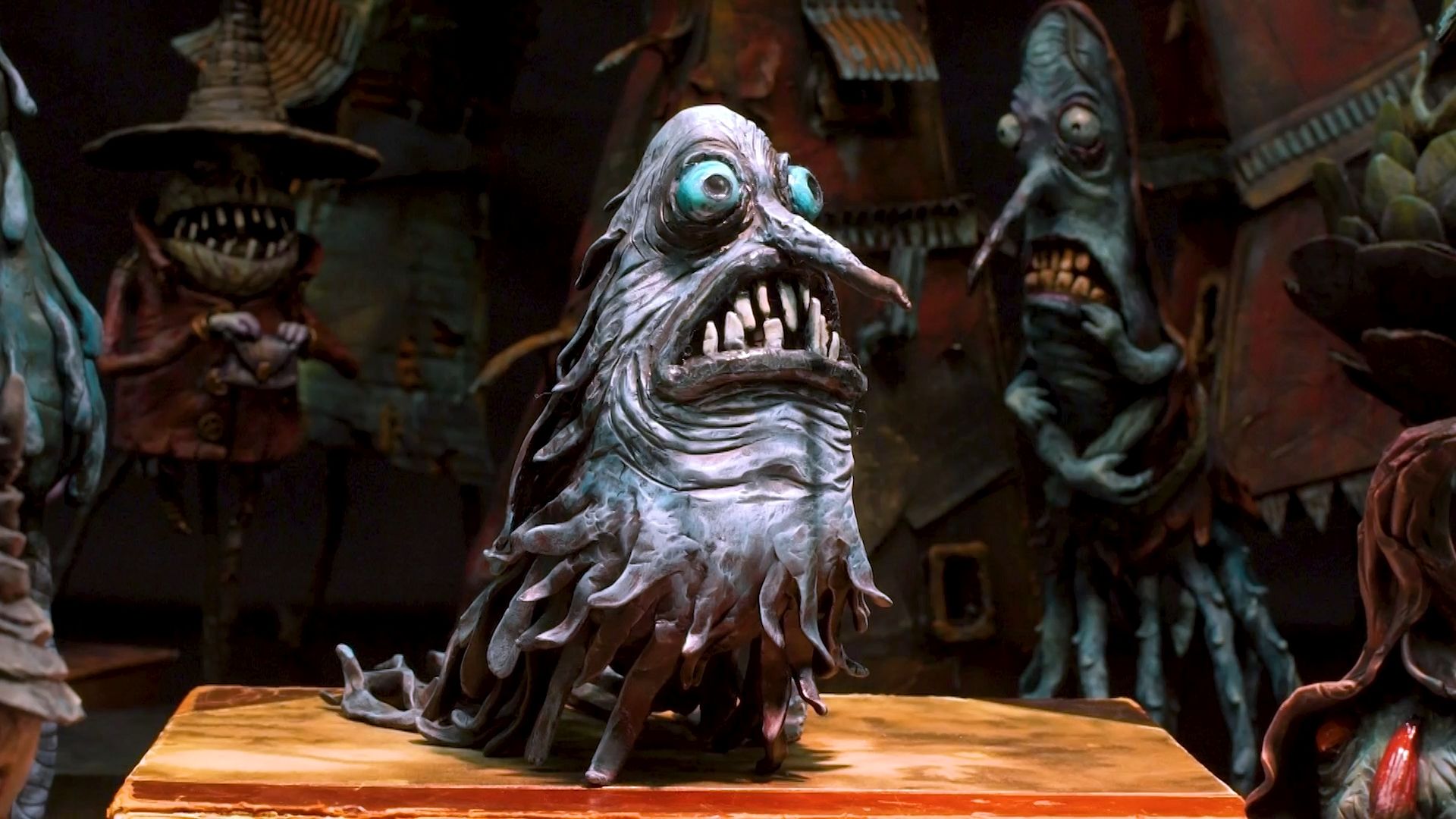
- Stop-motion or model-like character design — characters resemble clay or puppet models.
- Diorama-style levels — staged, small-scale environments that suggest physical sets.
- Gothic or moribund character styling — pale faces, elongated features, and a muted palette.
- Cozy horror tone — many of these games blend unsettling imagery with approachable mechanics or pacing.
Context from film history
Tim Burton’s work mixes live-action and stop-motion films. For context, Burton produced The Nightmare Before Christmas, and Henry Selick directed that film. Selick also directed Coraline, which is frequently compared to Burton-style visuals despite being directed by Selick.
What developers and press have said
Developers have directly cited Laika (the studio behind several stop-motion films) and Tim Burton as visual influences. Press interviews and studio notes document these references, and several recent releases list stop-motion films or Burton-associated works in their inspiration lists or official materials.
Where this shows up next
Upcoming and recent indie releases continue to reference stop-motion and Burton-adjacent visuals in trailers and developer notes. Titles already announced for release this year or next include stop-motion-inspired presentation in marketing and developer commentary.