Why We Keep Hitting ‘Restart’: The Psychology and Design Tricks Behind Roguelikes (Hades, Lost in Random, Patch Quest)
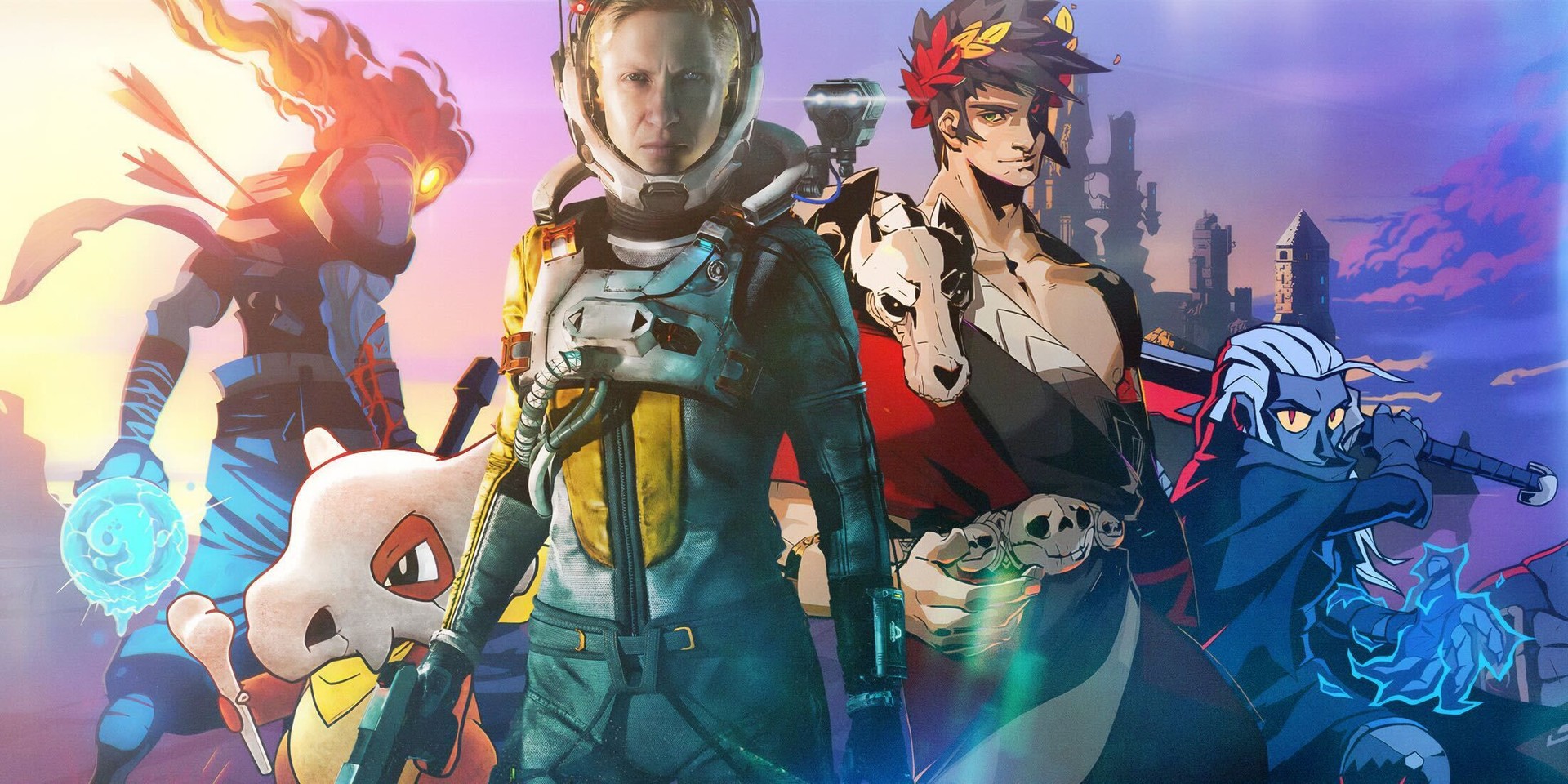
Roguelikes put players into short, repeatable runs that often end in failure, and yet those games keep us pressing “restart.” They pair escalating challenge with frequent resets, which creates loops that many players find compelling. This story explains key reasons why, and it points to recent examples and commentary from designers and researchers.
- Why roguelikes motivate repeated attempts, with input from psychologists.
- How developers tune randomness and difficulty, illustrated by Lost in Random: The Eternal Die.
- Recent games and genre blends: Patch Quest, a tactical zombie roguelike, and other new entries.
Begin run

How roguelikes reframe punishment, according to psychologists
Psychologists who study play and motivation describe how certain game systems convert failure into a reason to try again. Specifically, they note that clear goals, measurable progress, and predictable mechanics can make losses feel informative rather than purely negative. As a result, players treat each reset as a new experiment. In short, consistent feedback and small, achievable rewards help transform punishment into a learning signal.
What goes into fine-tuning a roguelike
The director of Lost in Random: The Eternal Die discussed the practical work of tuning a game that uses randomness. According to the director, the process involves calibrating item power, enemy behaviors, and progression so that runs feel varied but not unfair. Developers test many runs, adjust probabilities, and iterate on combat and reward pacing. Consequently, this balancing aims to preserve surprise while keeping player skill meaningful.
Next round
Genre blends and new releases
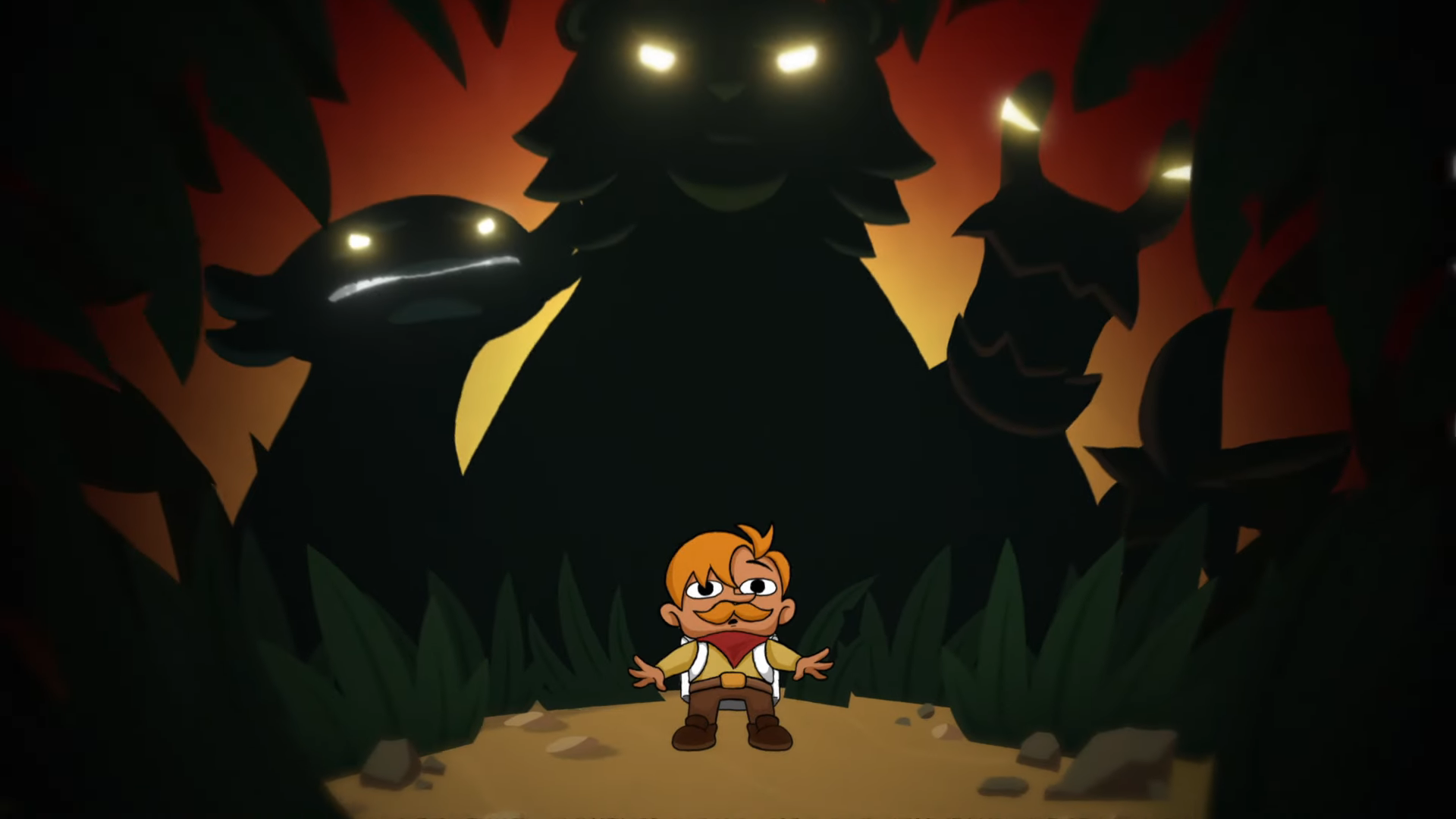
Patch Quest is described as combining several genre elements. Namely, it mixes roguelike structure with Metroidvania exploration, moments of bullet hell action, and creature-collection mechanics that recall Pokémon. Therefore, the game intentionally crosses familiar genre lines to create a hybrid experience.
Separately, a recent turn-based tactical roguelike focuses on zombie combat and squad management. It uses permadeath and procedural layouts common to roguelikes while centering encounters on tactical positioning and resource choices.
Finally, Lost in Random: The Eternal Die has been discussed as a notable modern entry that adopts roguelike elements within a narrative-driven framework. The title pairs card-based randomness with a structured story, and reviewers and developers have noted its place among recent works that explore roguelike loops in new ways.