Why You Don’t Have to Play D&D Like Critical Role to Have an Epic Time
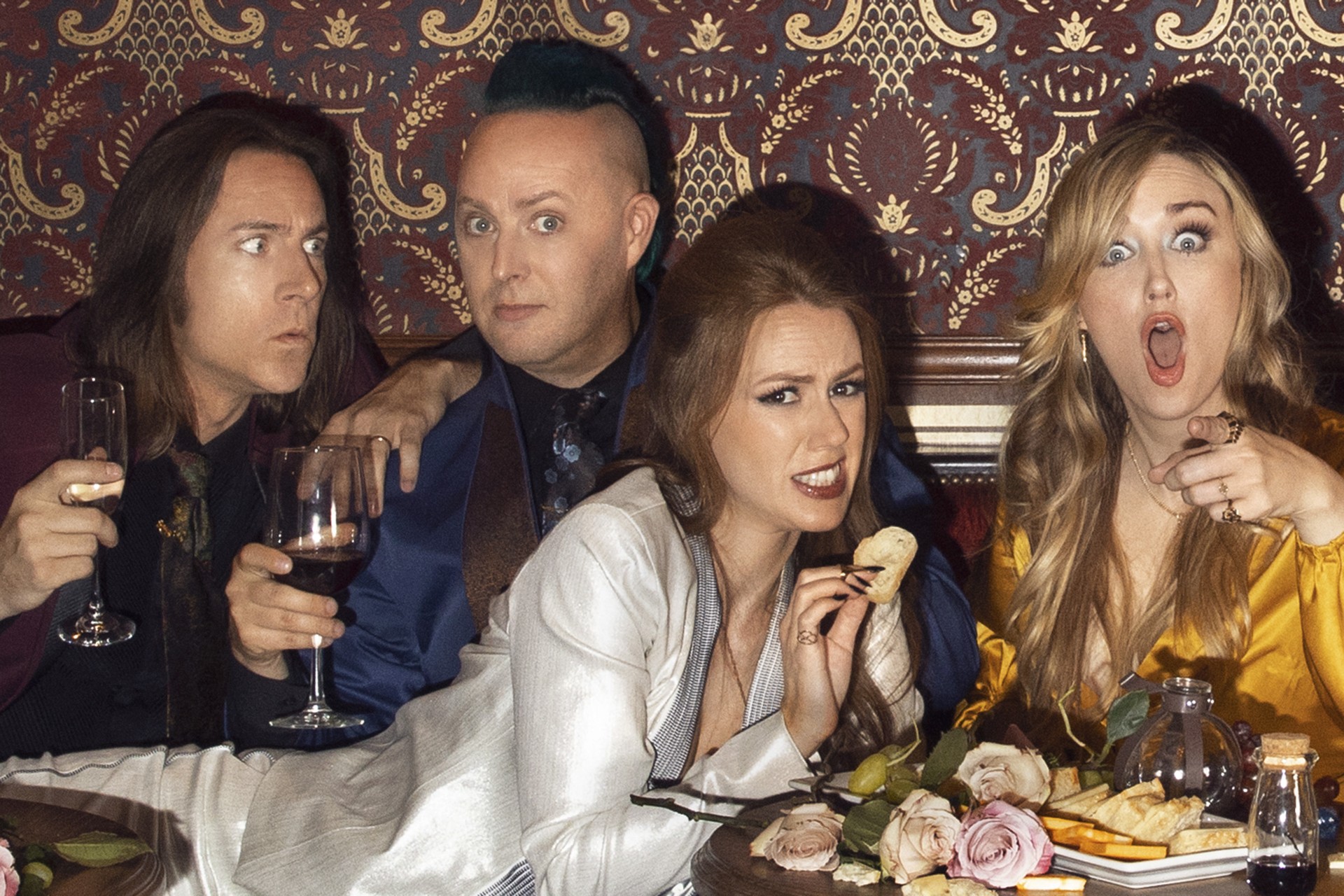
Dungeons & Dragons has gained massive popularity thanks to “actual-play” shows like Critical Role and Acquisitions Incorporated. These shows showcase incredible storytelling and role-playing, setting high expectations for D&D sessions worldwide. But here’s the thing: you don’t have to run every game like Critical Role. There’s more than one way to enjoy D&D, and mixing up styles can keep the game fresh and fun.
- How actual-play shows like Critical Role shaped D&D expectations
- The challenges of running narrative-heavy campaigns
- Why mixing traditional dungeon crawling with storytelling is healthy
- Tips for balancing different playstyles to avoid burnout
Actual-Play Shows and Their Impact on D&D
Shows like Acquisitions Incorporated and Critical Role have turned D&D into a form of entertainment that feels like live TV. Matt Mercer and his group of actors bring a unique level of role-playing that’s exciting to watch and emulate. This has raised the bar for what many players expect during their sessions, often pushing Dungeon Masters (DMs) to focus heavily on story, character development, and immersive role-play.
When Narrative-Driven Play Becomes Exhausting
Running a narrative-focused campaign is rewarding but also intense. It demands a lot from the DM — juggling plotlines, NPCs, and improvisation. After running several story-heavy campaigns, it’s easy to hit a creative wall or burnout. That’s exactly what happened when I started the published campaign Out of the Abyss. Despite my best efforts to weave player backstories into the plot, I found myself drained and less engaged.
Why Traditional D&D Play Still Matters
D&D 5e’s rules encourage storytelling, but they aren’t always perfect for players who prefer classic dungeon crawling or tactical combat. For those who love that style, games like Dungeon Crawl Classics offer a more old-school experience with less emphasis on role-playing and more on exploration and combat.
Incorporating different elements — exploration, combat, and role-play — into your campaigns helps keep things interesting. If you’re tired of constantly inventing dramatic plot twists or quirky NPC voices, switching gears to a dungeon crawl session can be refreshing and just as engaging.
Adding Depth to Dungeon Crawling
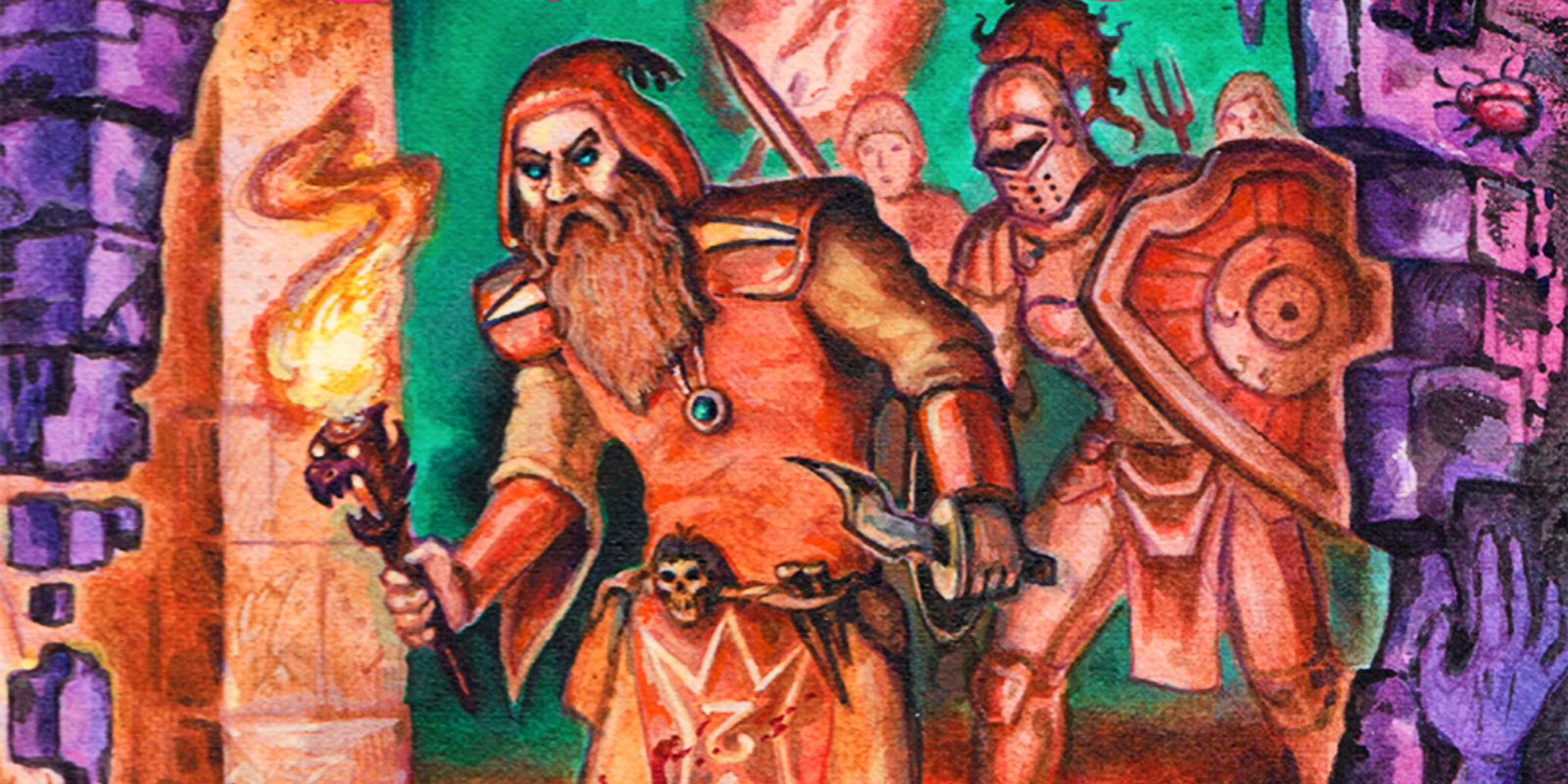
Good dungeon design isn’t just about monsters and traps; it can tell a story too. As content creator Bob World Builder explains, simple questions like “How do the monsters get food and water?” can open up rich role-playing opportunities and immersive gameplay.
Even if 5e isn’t perfectly suited for deep dungeon crawls, you can borrow tools and tables from other systems or prepare ahead to create memorable sessions. It might not match the high drama of a Critical Role moment — like Joe Manganiello stealing the Hand of Vecna — but it will still keep players hooked.
Finding Balance and Keeping D&D Fun
Playing narrative-driven campaigns has been one of my best experiences, but focusing solely on that style can lead to burnout. Mixing in different elements of D&D gameplay keeps the experience fresh for everyone. Whether it’s a heartfelt role-playing moment or a tense crawl through a dangerous tomb, variety is key.
For example, I’ll always remember when a Paladin in my last campaign let go of his vow of vengeance, a powerful story moment. But now, I’m excited to see my players navigate the Underdark’s deadly tunnels, managing rations and watching for strange monster behavior — a different kind of thrill, but no less engaging. And thankfully, oozes don’t talk, so no funny voices needed!