Xbox Game Pass Hits $30/Month — Is the “Best Deal in Gaming” Finally Over?
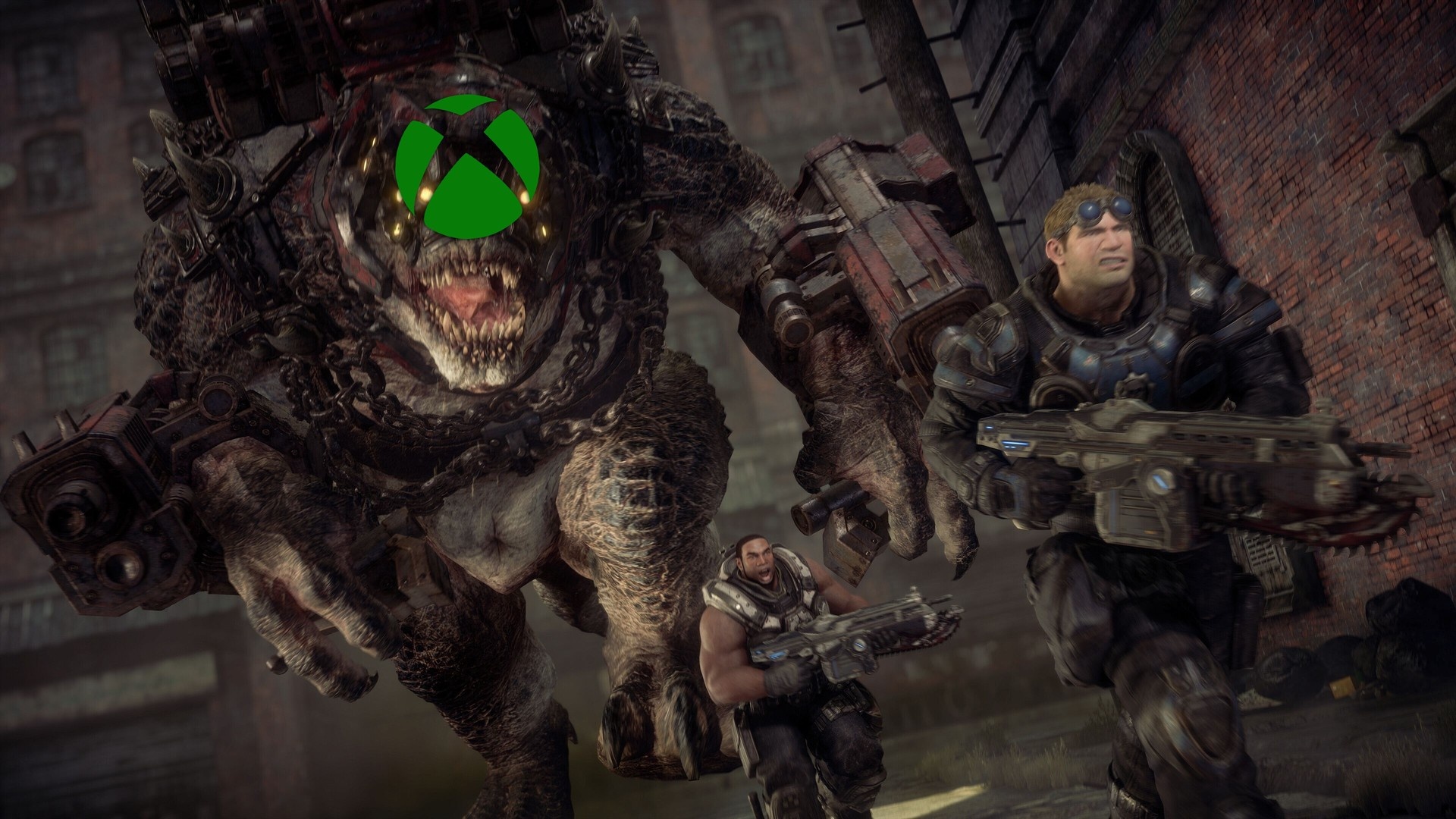
Xbox on Oct. 1 announced a major overhaul to Game Pass: new tier names, tighter access to day-one releases, and a steep price increase for the top tier. The changes affect PC access, cloud streaming, and how Microsoft positions its biggest games.
- New tiers and what they include
- Day-one releases and the math behind value
- The MoviePass comparison
- What subscribers should watch next
What changed on Oct. 1
On Oct. 1, Xbox revealed a restructuring of Game Pass tiers and pricing. Specifically:
- PC Game Pass as a standalone option is being removed.
- Xbox replaced the Core and Standard tiers with Essential and Premium.
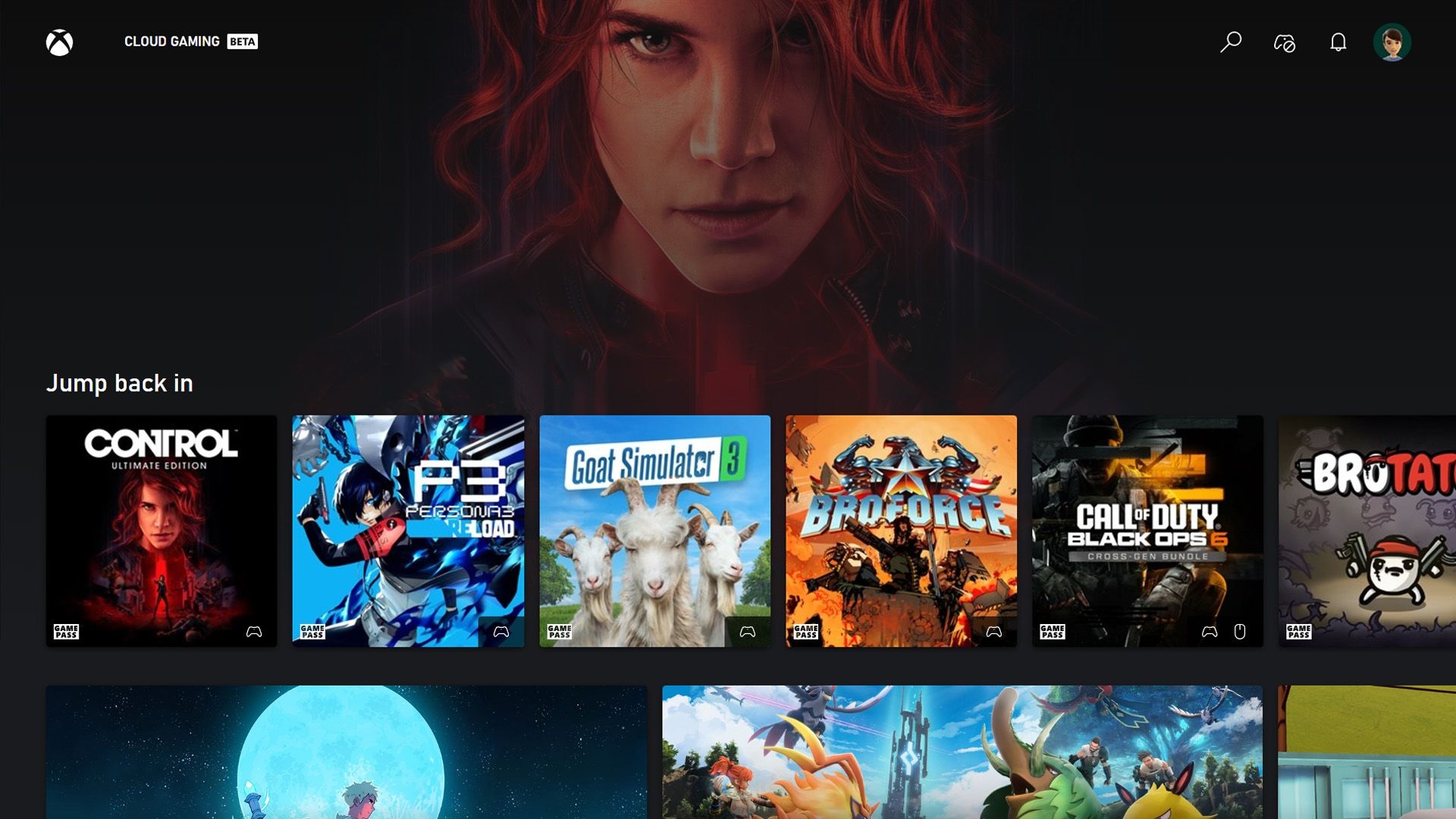
- Cloud streaming is being rolled out to more subscribers across tiers.
- Most notably, Xbox Game Pass Ultimate rose from $20 to $30 per month and will be the tier that includes day-one access to first-party releases.
Price history and simple math
Game Pass launched in 2017 at about $10 per month (roughly $120 per year). For context, Microsoft expanded and changed the service several times since then. In 2024 Microsoft adjusted pricing and features, and now in 2025 the top tier has moved again to $30 per month.
Historically, the service’s greatest perceived value was the inclusion of new first-party releases on day one. Thus, price changes that restrict that access to a more expensive tier affect the subscription’s straightforward value proposition.
New tiers and what they include
After the overhaul, the main consumer-facing tiers are:
- Essential — $10 per month: about 50+ games, plus cloud streaming and PC access.
- Premium — $15 per month: around 200+ games and cloud streaming.
- Ultimate — $30 per month: includes day-one access to Xbox first-party releases and the other Ultimate benefits.
Thus, only the top tier guarantees first-day access to new Xbox-published titles.
Day-one releases and the math behind value
To compare value quickly, look at annual costs and typical full-price game prices. At $30 per month, Ultimate costs $360 per year. If you value day-one access by full retail price (for instance, a $70 AAA game), you would need roughly six $70 games a year to justify the subscription purely on replacement cost (6 × $70 = $420, which exceeds $360, so five would be just under).
By contrast, when Game Pass cost $10 per month ($120 per year), playing two big full-price games could easily pay for a year of service. After the 2024 raise to $20 per month ($240 per year), break-even point moved but was still reachable for many players. The 2025 Ultimate price shift makes the math steeper for users who only want day-one access.

The MoviePass comparison
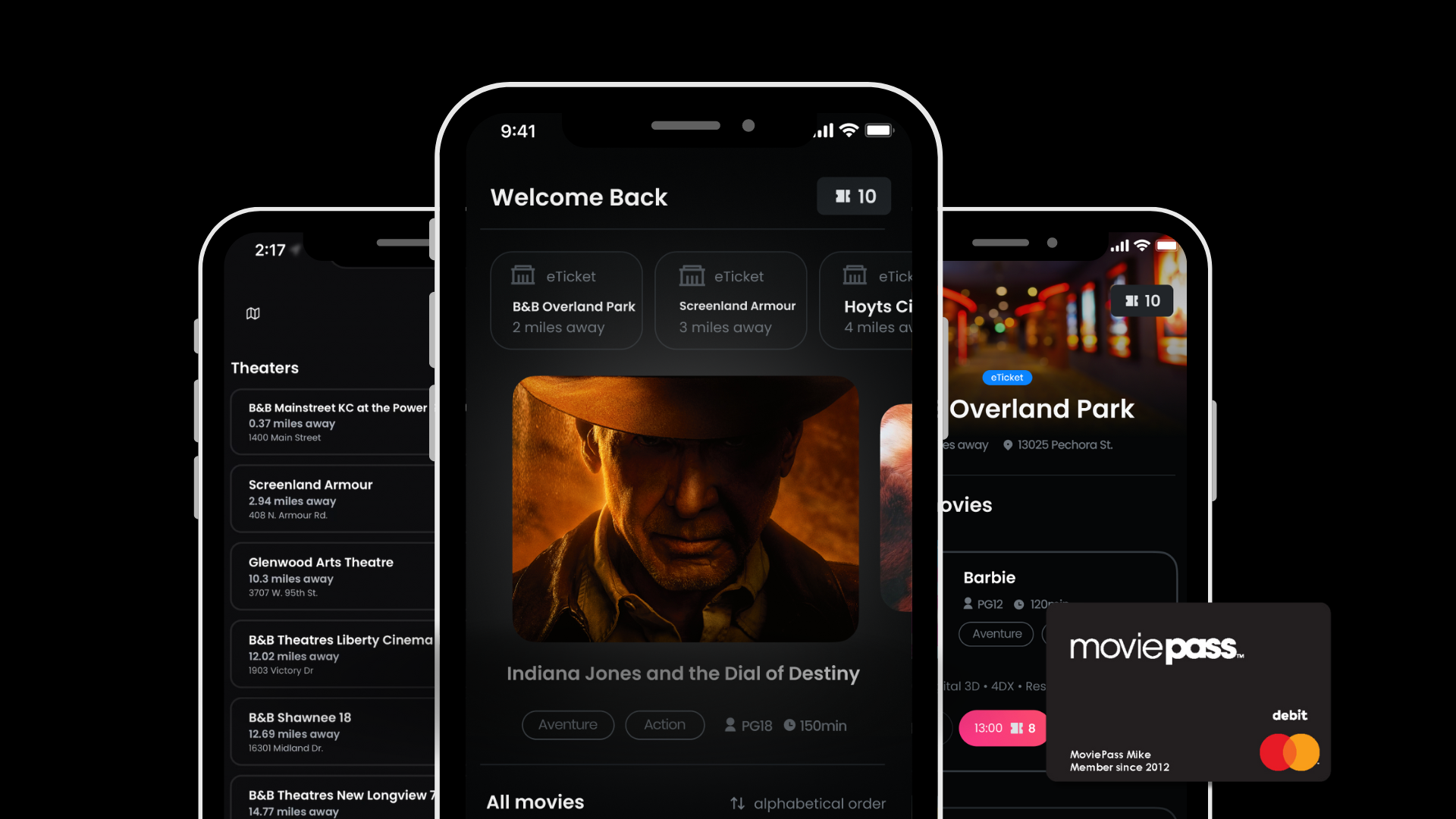
Observers have compared Game Pass’s changing economics to MoviePass’s rise and fall. MoviePass once offered a very low-cost unlimited theater plan that quickly attracted heavy use and large losses for the company. For reference, MoviePass’s unlimited plan announcement and pricing were reported at the time on Engadget.
Later coverage documented MoviePass cutting back its offering and losing subscribers, with Variety reporting both the curtailing of the unlimited plan and the subscriber declines:
- Unlimited plan changes reported by Variety.
- Subscriber losses covered by Variety.
- Legal troubles were also reported by Variety.
Ultimately, MoviePass’s bankruptcy and relaunch were covered by outlets including CNN. The parallel is that a subscription’s perceived value can change quickly when pricing or core benefits shift.
What subscribers should watch next
If you subscribe, consider these concrete points:
- Check which tier you currently have and whether you actually use day-one access enough to justify $30 per month.
- Casual players may find Essential or Premium still offer good value for less money.
- Core fans who prioritize every first-party release should compare Ultimate’s annual cost to buying the specific games they want.
- Watch for Microsoft’s future schedule: the number and popularity of first-party releases in a year will affect whether Ultimate feels worth it.
In short, Xbox has tightened the link between day-one access and a higher price. Therefore, subscribers will need to reassess value based on their own play habits and the games Microsoft and its partners release going forward.
For historical context, Microsoft originally introduced Game Pass in 2017; more details can be found on that announcement. Also, Microsoft completed its acquisition of Activision Blizzard in 2023, which affected Game Pass content expectations; see reporting on the acquisition closure from Reuters.