Xbox Game Pass Under Fire: Developer Warns Subscription Model Could Destroy the Gaming Industry
Game Pass Debate Ignites After Developer’s Bold Critique
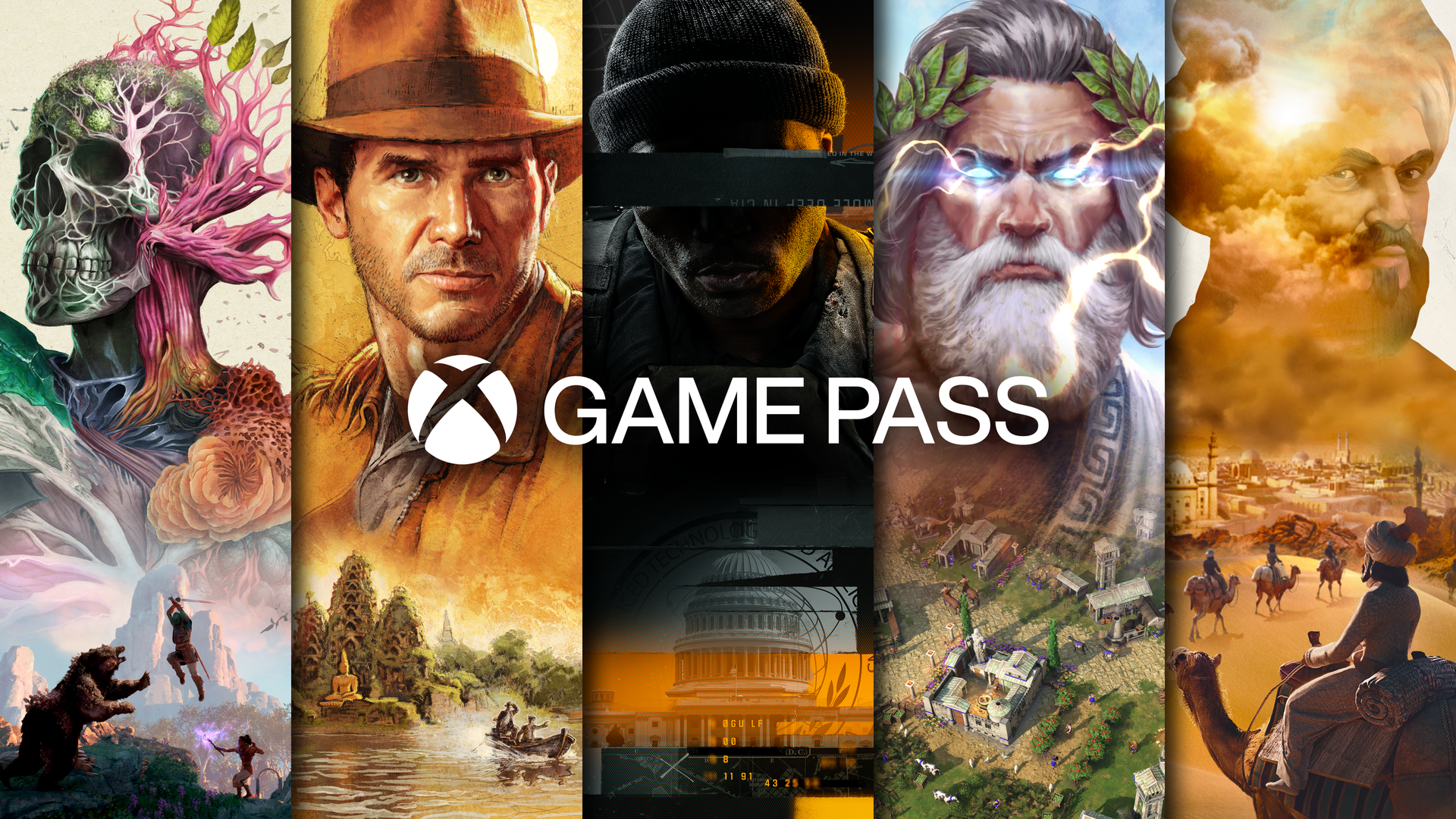
Game Pass is often hailed as a fantastic deal for Xbox and PC gamers, but recently, Raphael Colantonio, founder of Arkane Studios, sparked a heated discussion by questioning its long-term impact on the gaming industry.
- Why Game Pass might be unsustainable according to Colantonio
- Microsoft’s massive spending behind the subscription service
- The impact on game studios, layoffs, and industry risks
- Mixed reactions from developers and gamers online
- How Game Pass can both help and hurt games and studios
Why the Model Might Not Last
Game Pass offers gamers access to hundreds of titles for a low monthly fee, sometimes even just a dollar during promotions. Sounds great, right? But Colantonio points out a harsh reality: “I think Gamepass is an unsustainable model that has been increasingly damaging the industry for a decade, subsidized by MS’s ‘infinite money,’ but at some point reality has to hit,” he said in a reply on social media site X. He warns that Game Pass could either “kill everyone else, or give up.”
Microsoft reportedly spends around a billion dollars annually just to bring third-party games onto Game Pass, on top of the billions spent acquiring major studios like Bethesda and Activision Blizzard. Meanwhile, the service counts about 35 million subscribers, including those paying just a dollar or getting it through sales. Interestingly, some data suggests Game Pass may have actually lost subscribers in recent years, especially after Xbox Live Gold users were shifted to a lower tier subscription.
Big Spending with a Risky Strategy
This model isn’t new in tech—companies like Uber operated at a loss for years to dominate the market. The fear is that once competition disappears, prices could rise and quality might drop, but by then, gamers will have no alternatives.
Adding to concerns, gamers are reportedly spending 25% less on games in 2025 compared to last year. Microsoft’s multiple rounds of layoffs and studio closures in the past year also paint a worrying picture for the industry’s health.
The Double-Edged Sword of Game Pass
Game Pass can be a lifesaver for some studios, offering guaranteed exposure and a steady revenue stream. Titles like Sea of Thieves and No Man’s Sky saw player boosts after joining the service. Many gamers, including the author, admit they’re more willing to try indie games on Game Pass.
However, the subscription also cannibalizes traditional sales, possibly discouraging publishers from taking risks. Colantonio highlights this tension, explaining that while gamers enjoy the deal, the economics behind it are complicated. “I understand gamers like it: it’s a great deal, but the maths don’t work for GP, it only works because MS injects billions into it to make it a good deal for the players… for now,” he wrote.
Community Reactions: Divided Opinions
Unsurprisingly, Colantonio’s critique triggered strong responses online. Some developers, like Larian Studios’ Michael Douse, agreed: “The infinite money thing never made any sense.” But many gamers pushed back, some resorting to personal attacks rather than arguments. Colantonio patiently tried to clarify that his critique targets the business model, not the gamers themselves.
One user summed up the dilemma well: “I’m sure it isn’t good for devs but if my wage isn’t going up but my rent is and so are gas prices and groceries then I’ll look for the best deal. And if it stops being a good deal then I’ll find an alternative.” Colantonio’s simple reply? The underlined 100 emoji.
Whether Game Pass is a revolutionary bargain or a ticking time bomb for the industry remains to be seen. For now, it’s clear the conversation around its future is far from over.