You’ll Love Losing: How Roguelikes Make Every Death Feel Like Progress

Roguelikes turn repeated failure into steady progress, which helps explain why many players keep saying “one more run.” This piece summarizes expert comments and concrete features from a recent look at the genre in Polygon’s One More Run series, and it stays focused on facts about how roguelikes are designed and how players experience them.
- Why roguelikes expect frequent death and still keep players engaged.
- How short runs, randomized levels, and metaprogression work together.
- Which games and expert quotes illustrate these points.
Death as a built-in mechanic
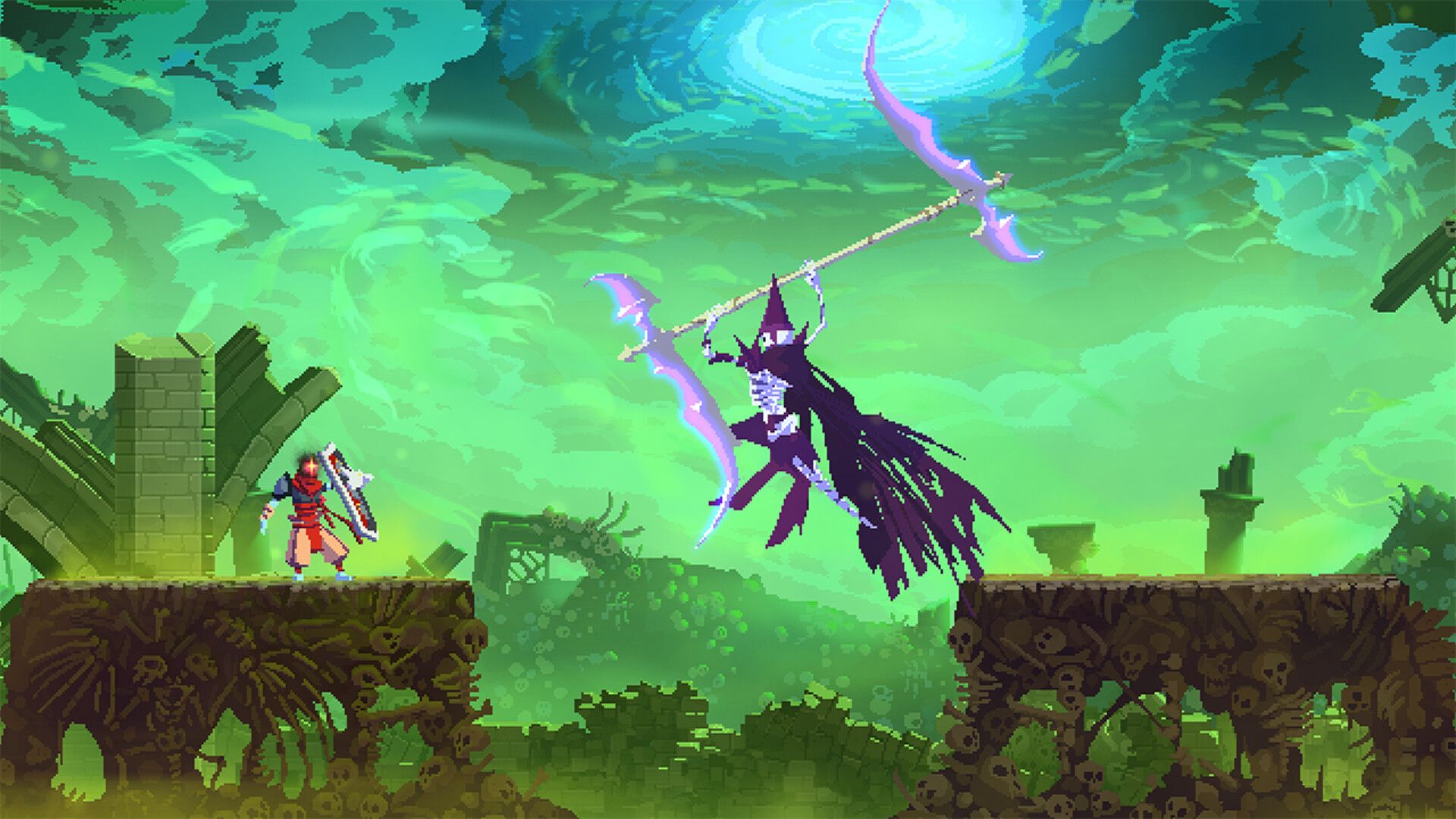
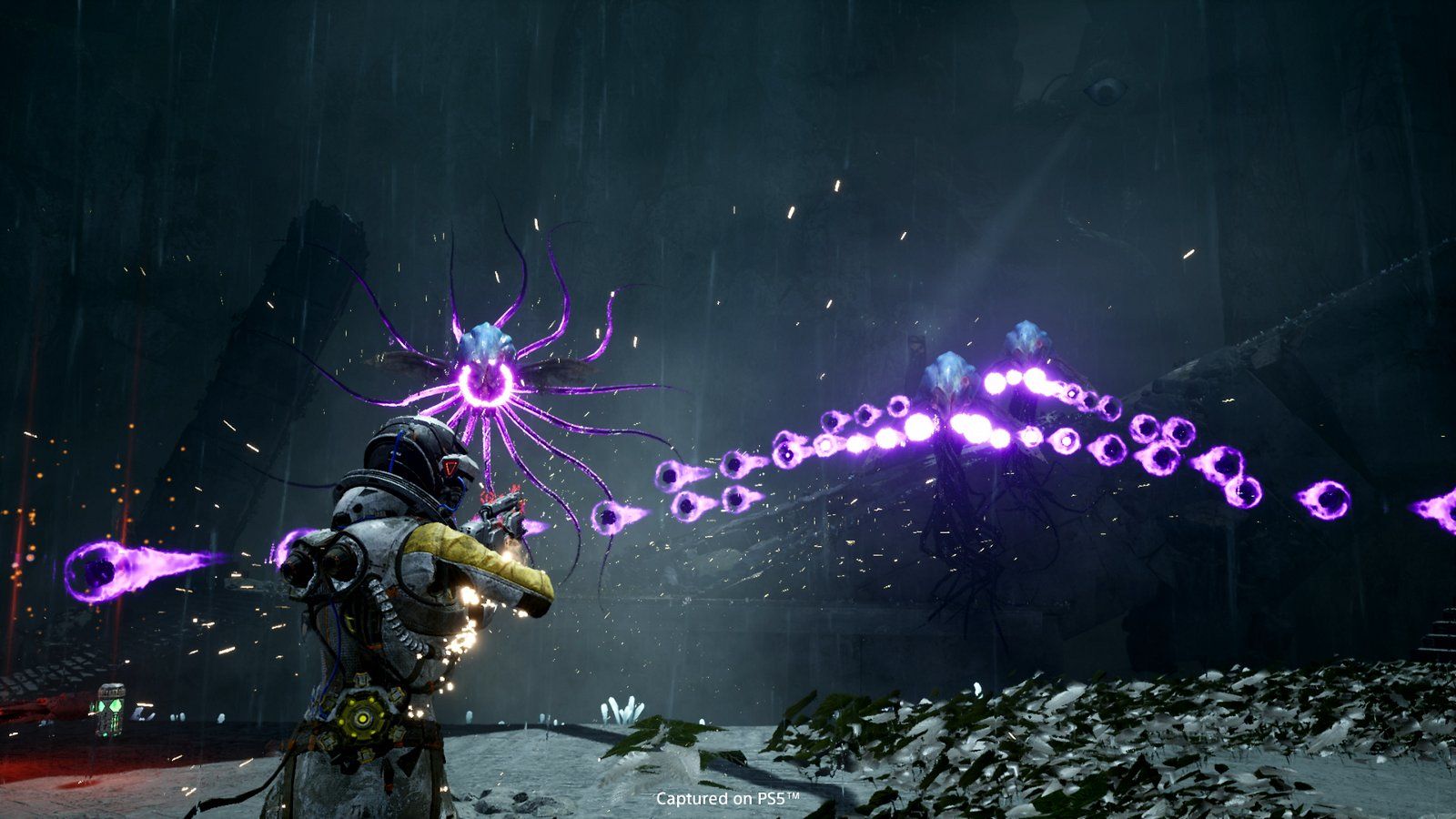
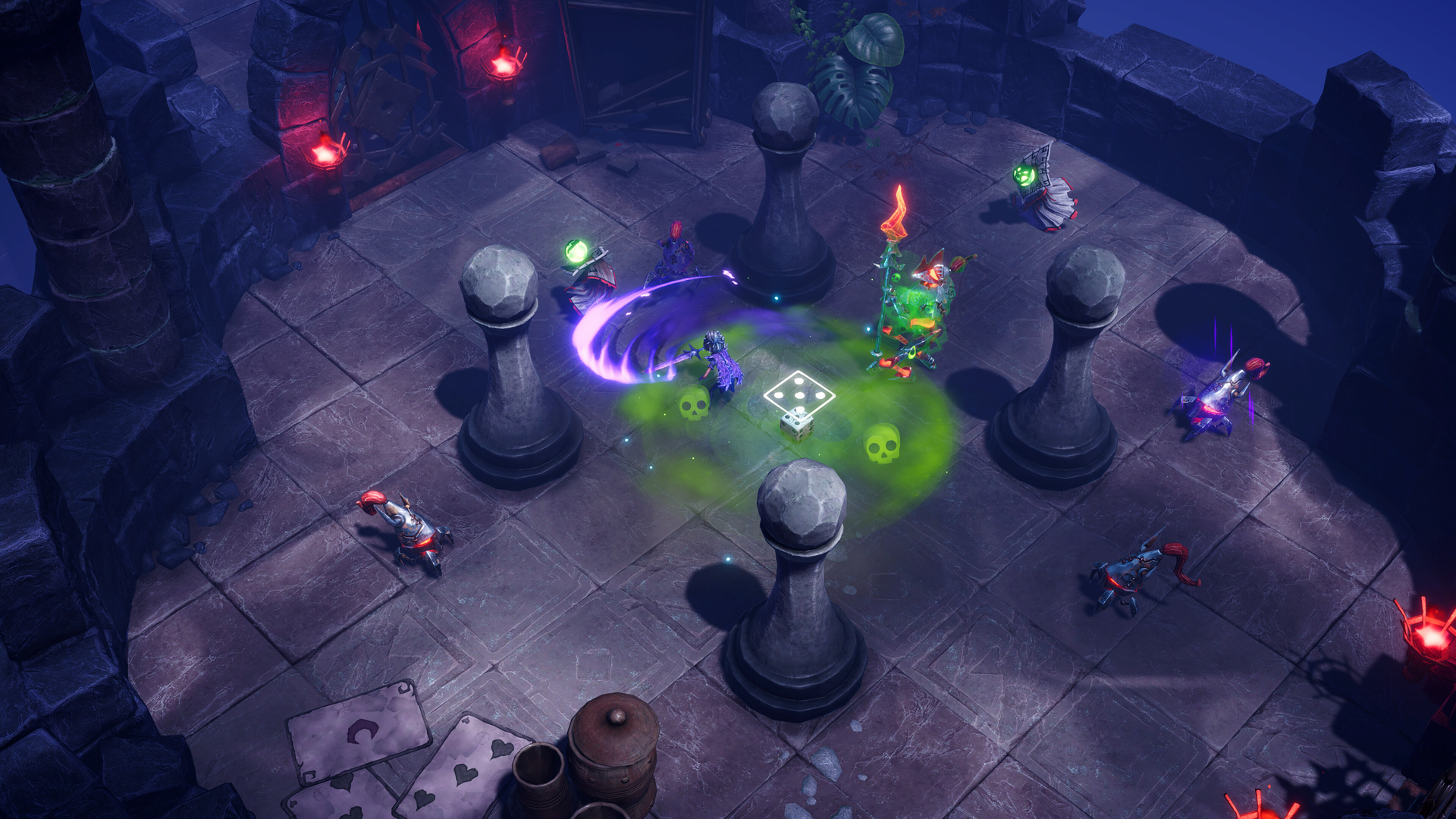
Roguelikes use randomized level generation and reset-on-death systems, so *dying often is an expected outcome*. Because of that design, players approach runs knowing they will fail sometimes. For example, games discussed include Hades (Supergiant, 2018), Dead Cells, Curse of the Dead Gods, Wizard of Legend, Lost in Random: The Eternal Die, and Returnal. These titles combine randomness and restart mechanics so that losing is part of the loop.
Short runs, quick turns, and the “one more run” impulse
Because many roguelike runs are relatively short, players can try again quickly. Therefore, short run length is a practical reason why people keep playing late into the night. In addition, randomized encounters create a steady flow of new situations, which keeps decisions fresh. As a result, players report being drawn to the genre’s quick feedback loops and repeatable experiments.
Expert observations on learning and progress
Several clinicians who spoke in the series described how roguelikes encourage learning and perceived progress. For example, Dr. Ashvin Sood said, “When you’re talking about what do people get enjoyment out of, personally, as a player, the enjoyment is the sense of ‘Oh, how do I get a little bit further next on this run,’ the sense of accomplishment, and I can measure it by getting little pieces of the story.” Thus, story beats and small rewards delivered between runs contribute to a sense of forward movement.
Moreover, Dr. Jeremy Lichtman highlighted learning as a visible gain: “You don’t start from scratch, because your skills have improved,” he said. Consequently, even though the player returns to an earlier point in a run, their knowledge and technique improve with each attempt.
Metaprogression and hub worlds
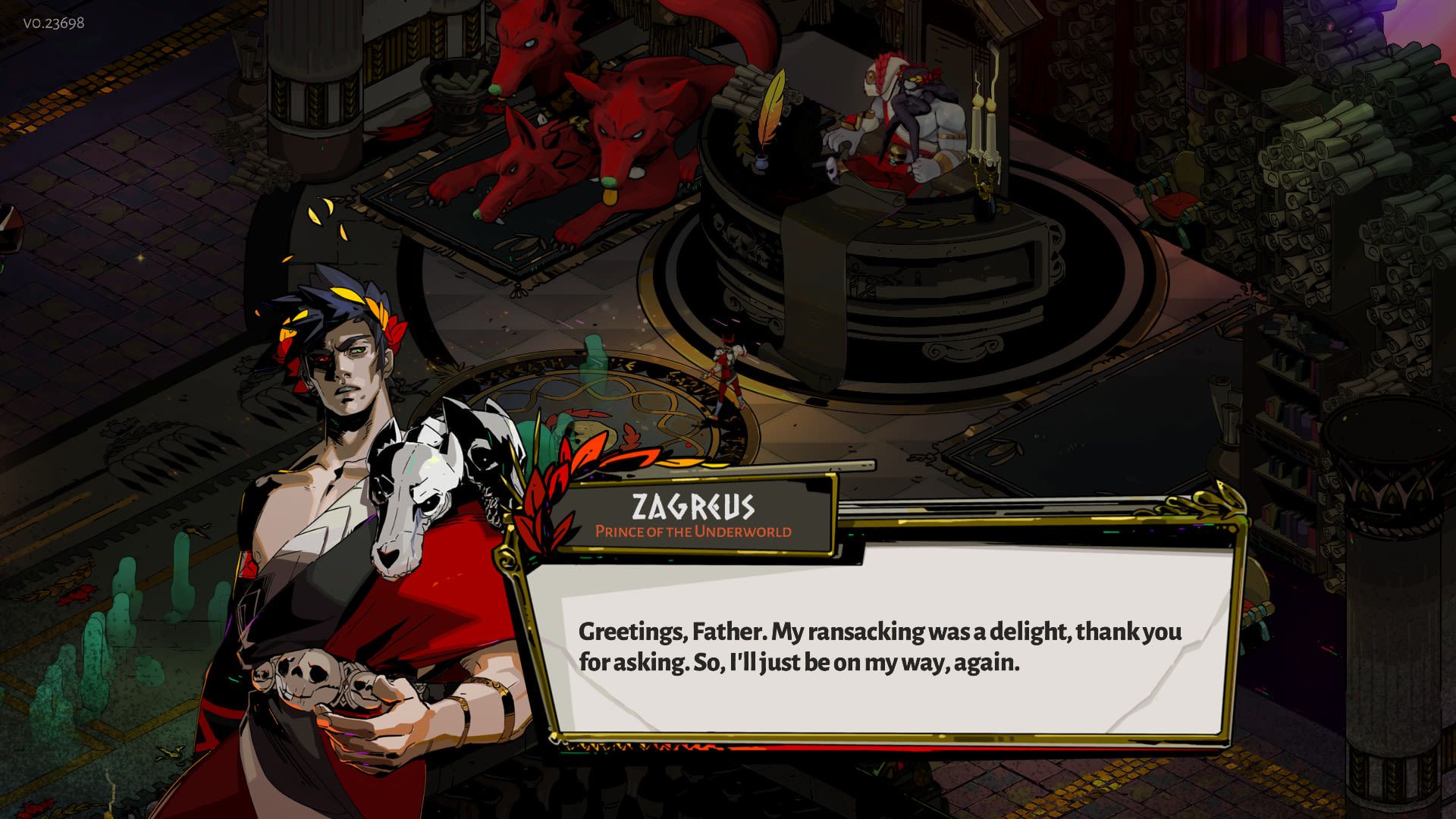
Many modern roguelikes add metaprogression features. For instance, after a run players often return to a hub area that offers permanent upgrades, new dialogue, or relationship changes. These elements mean that failure can still unlock new content. In Hades, for example, Zagreus receives new lines of dialogue after runs, and those conversations can change even if the run ends in death.
Autonomy, experimentation, and perceived competence
Roguelikes typically let players assemble builds and test strategies. Therefore, autonomy over choices is a recurring appeal. Dr. Sood described build choice as an autonomy moment: “Each build that you make in a roguelike really gives you a sense of, again, that autonomy feeling. ‘This is my choice.’ […] And your success is dependent on the build.” Moreover, experimentation leads to skill growth, and that growth supports players’ desire to feel competent.
Accessibility matters
Accessibility and onboarding affect who clicks with the genre. For example, Dr. Lichtman noted Hades specifically: “Hades telegraphs really well how things work, and it teaches you, I think, very well,” he said. Therefore, clear teaching and thoughtful telegraphing of mechanics can lower the barrier to entry and make losing less discouraging.
Why losing can feel like winning
In short, losing in roguelikes often feels like progress because runs teach players, provide short and repeatable play cycles, and deliver permanent or narrative rewards between attempts. Finally, as Dr. Lichtman summed up, “Losing is such a big part of it.”