You’re Wrong About $80 Games — Why the $79.99 Tag Isn’t What You Think
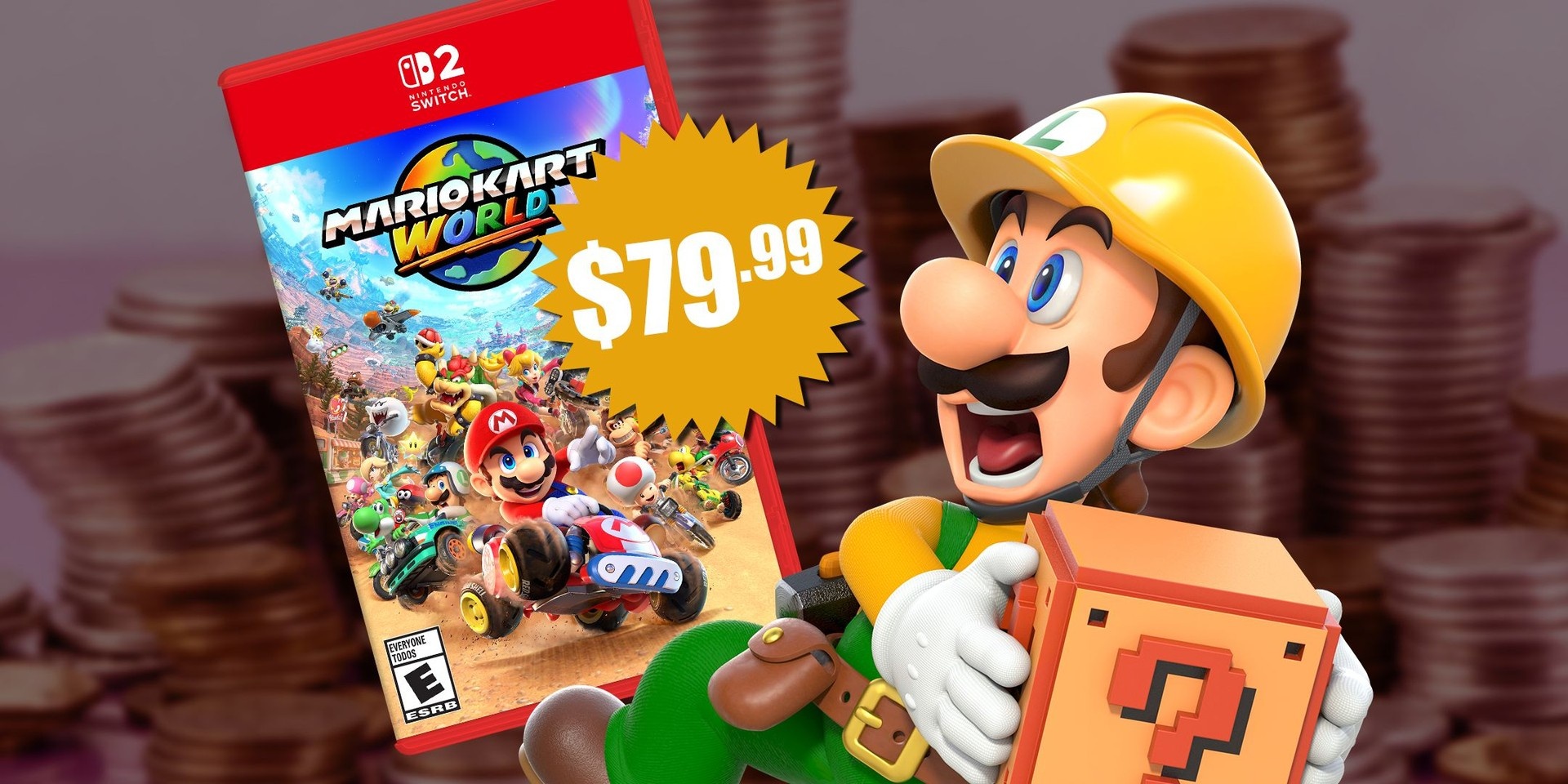
Let’s clear something up about the so-called “$80 games.” There’s been a lot of chatter, but the facts are simple: some new, big-budget console and PC releases are being listed at US MSRPs of $79.99 (commonly rounded to “$80”), yet that price point is not universal and several factors determine whether a game sells for $59.99, $69.99, $79.99, or something else entirely.
- Some recent releases show a US list price of $79.99, but not every major game uses that price.
- Regional taxes, currency conversion, and platform/store policies change the visible price in other countries.
- Edition type (standard vs deluxe), physical vs digital, and post-launch monetization are separate issues from base MSRP.
What “$80” actually is
In practice, when people say “$80 games” they usually mean a listed price of $79.99 in the United States. That number is a manufacturer suggested retail price (MSRP) or a digital storefront price. Therefore, it’s the advertised starting price for a given edition on a given platform—not a universal industry mandate.
Different tiers still exist
Historically, many new console games launched at $59.99 as a common base. Over time, publishers introduced higher tiers such as $69.99 and now, for some releases, $79.99. However, those tiers coexist: many new releases continue to appear at lower prices depending on publisher strategy and edition.
Why prices vary
Several concrete, measurable reasons explain why a single title might be listed at $79.99 in one place and a different number elsewhere.
First, regional taxes matter. In many European countries the displayed price includes VAT, so an equivalent game will often show a higher number in euros than the raw dollar amount would suggest. Second, exchange rates and publisher-localization pricing strategies produce non-linear conversions between markets.
Third, edition and platform choices change the sticker price. A standard edition will typically cost less than deluxe or “ultimate” editions, and physical retail pricing can differ from digital storefront pricing.
Where you’ll see $79.99
As of recent release cycles, $79.99 has appeared on some major storefront product pages for specific next-gen console and PC releases. That price is used by publishers who decide to set the base MSRP at that tier for particular editions.
However, many other titles and publishers continue to use $59.99 or $69.99 as their base price. In short, $79.99 is present in the market, but it is not the single mandated price for all new games.
Digital vs physical
Digital stores (console storefronts, Steam, Epic, etc.) and physical retailers can show different MSRPs or offer different promotions. Consequently, a consumer might see one price on a digital storefront and a different price at a brick-and-mortar shop or third-party online retailer.
What $79.99 does not automatically mean
There are several common assumptions floating around that are not guaranteed by the presence of a higher MSRP.
- It does not automatically include post-launch content: Many high-priced releases still plan optional DLC, expansions, or live-service elements sold separately.
- It is not a guarantee of longer playtime or better quality: Price is a business decision, not a universal measure of scope or craftsmanship.
- It does not mean universal price parity: Regional prices and taxes will differ, so $79.99 in the US doesn’t translate directly to €79.99 or £79.99 everywhere.
What buyers should know
If you’re comparing prices, check the edition, the platform, and whether taxes or fees are included. Also, watch for pre-order offers, retailer promotions, and launch discounts—many games see price changes in the weeks and months after release.
Finally, remember that publishers set MSRPs and platform storefronts implement them. Retailers sometimes adjust them or run different promotions, so the number on launch day is not set in stone for the life of the title.
Bottom line
Yes, $79.99 exists as a listed price for some modern releases. Nevertheless, it’s not the universal new normal for every game. Prices vary by publisher, edition, platform, and region, and many games continue to launch at lower price points. So while the “$80 game” headline is attention-grabbing, the market reality is more mixed and conditional.